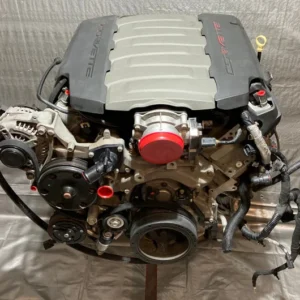
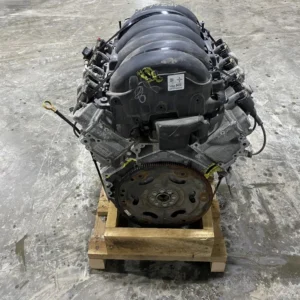
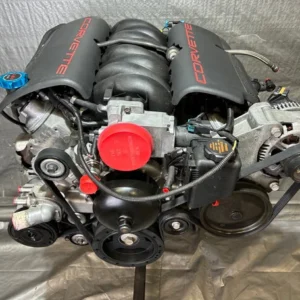
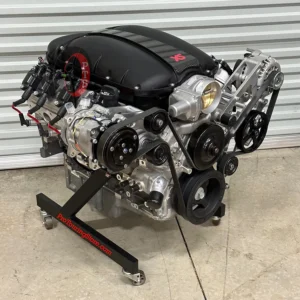
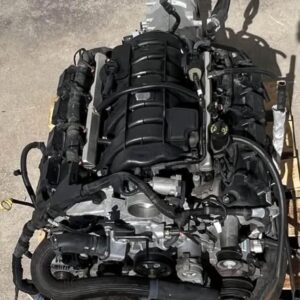
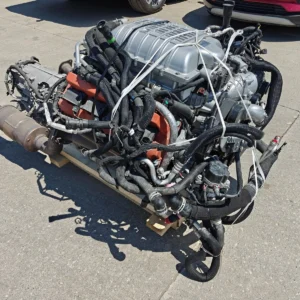
When you start hunting for an ls swap package for sale, you are usually trying to solve one of two problems fast. Either the current engine is done and the vehicle needs to get back on the road, or the project finally reached the point where piecing parts together one by one no longer makes sense. In both cases, the right package saves time, cuts guesswork, and keeps your build moving.
A lot of buyers make the same mistake early. They shop the engine first, then figure out the transmission, wiring, accessories, and fitment after the fact. That approach can work if you have time, fabrication experience, and a backup plan for every missing part. Most builders and shops do not want that headache. They want a package that gets them closer to a running drivetrain, not a pile of parts that creates three new problems.
Why an LS swap package for sale beats buying piece by piece
The biggest advantage is simple – fewer unknowns. A complete or swap-ready LS package gives you a better shot at matching the engine, transmission, and supporting components from the start. That matters whether you are putting an LS into a classic Chevy, refreshing a truck, or stepping up a street build that needs more power and better reliability.
Buying piece by piece can look cheaper on day one. Then the hidden costs start showing up. Maybe the engine harness is cut. Maybe the transmission needs a different controller. Maybe the accessories do not clear your chassis. Maybe the oil pan setup works for one platform but not yours. Suddenly the low-price engine is not low-price anymore.
That is why serious buyers look for bundled value. An actual package can reduce downtime, simplify fitment planning, and make budgeting more honest. You know more about what you are getting before the pallet shows up.
What should be included in an LS swap package for sale?
Not every package is built the same, so the word package by itself does not tell you much. Some listings are engine and transmission only. Others include accessories, wiring, ECU, flexplate, torque converter, and other swap-friendly pieces. The smart move is to read every line of the listing and compare what is included versus what you will still need.
At minimum, most buyers want clarity on the engine assembly, transmission pairing, and core fitment details. If the listing includes the wiring harness and ECU, that is a major plus. If it includes accessories, intake, and front drive components, even better. Those parts are where a lot of swap budgets get stretched.
Mileage matters too, especially on used takeout packages. Lower mileage usually brings more confidence, but mileage alone does not tell the whole story. You also want to know the engine family, compression setup if relevant, transmission type, and whether the assembly came from a running donor vehicle or was rebuilt. A remanufactured package may cost more upfront, but for some builds that added peace of mind is worth it.
Fitment is where good deals turn bad
A cheap LS package is not a deal if it creates clearance issues, wiring problems, or transmission tunnel surprises. Fitment is where a lot of swaps either stay on budget or spiral.
Start with the vehicle you are building. Is it a GM truck, a muscle car, a restomod, a drift project, or a custom street build? The answer changes everything from oil pan choice to accessory clearance to driveshaft planning. Truck accessories may not package well in tighter engine bays. Certain transmission combinations may require more tunnel work than expected. Even something as basic as the intake height can affect hood clearance.
That is why package buyers should think beyond horsepower. Power gets attention, but fitment finishes builds. A 5.3L, 6.0L, or 6.2L setup can all be the right move depending on the chassis, budget, and intended use. Sometimes the best package is not the biggest one. It is the one that actually fits your project without turning the install into a months-long fabrication job.
Engine and transmission pairing matters more than people admit
A lot of shoppers focus on the engine code and stop there. That is only half the conversation. The transmission in the package has a major impact on drivability, installation complexity, and total cost.
For a street truck or cruiser, an automatic package can be the fastest path to a reliable, user-friendly setup. For a more hands-on build, a manual-compatible LS combo may be the better fit. But neither is automatically better. It depends on how the vehicle will be driven, what fabrication work is already planned, and what electronics strategy you want to run.
An engine and transmission package can also help avoid mismatched parts sourcing. If the transmission is already paired to the engine, there is less second-guessing around converter, flexplate compatibility, or whether you are chasing down adapters later. That is a big win for shops trying to quote labor accurately and for DIY builders trying to keep the project from stalling.
Used, remanufactured, or new – which package makes the most sense?
This comes down to budget, expectations, and timeline.
Used LS swap packages are attractive because they keep the upfront cost lower and often give buyers access to complete takeout assemblies from donor vehicles. For many street swaps, that is the sweet spot. If the mileage is reasonable and the package details are solid, a used setup can deliver strong value.
Remanufactured packages make more sense when reliability is the top priority or when the build budget can support a higher initial spend. Shops doing customer vehicles often lean this direction because comebacks are expensive. A reman package can also be the smarter play for a truck or daily-driven build where long-term confidence matters more than squeezing every dollar.
New and performance-oriented LS packages sit at the higher end, but they are ideal for buyers who want a stronger starting point, more horsepower potential, or fewer unknowns. If your goal is a cleaner install with less compromise, paying more upfront can actually save time and money later.
How to spot a package that is actually worth buying
A strong listing should answer practical questions fast. You should not have to guess what engine family you are looking at, what transmission is bundled, how many miles are on it, or what components are included. The more complete the product details, the easier it is to buy with confidence.
Look for clear information on application, bundle contents, condition, and sale pricing. If the listing is vague, that usually means more work for you later. Good swap packages are built around clarity because serious buyers need to make decisions quickly.
You should also think about your real total cost, not just the sale number. A package with more included parts may cost more upfront but require less cleanup shopping later. That can be the better deal by a mile. Saving a few hundred dollars on the listing price does not help if you spend twice that chasing missing electronics, mounts, sensors, or accessories.
Who benefits most from an LS swap package for sale?
This kind of package makes sense for more buyers than people think. DIY builders like them because they reduce the research burden. Independent repair shops like them because they simplify quoting and turnaround time. Restoration builders like them because one bundled purchase can move a stalled project forward fast.
They are especially useful when time matters. If you are replacing a failed engine, trying to finish a customer build, or pushing to get a project back on the road before the season starts, convenience becomes part of the value. That is where a one-stop engine source earns its keep.
For a lot of buyers, the real win is not just horsepower. It is momentum. A complete package gets you closer to install day, startup day, and test-drive day without bouncing between salvage listings and mystery marketplace sellers.
Buy the package that matches the project
The best LS package is not the one with the flashiest numbers. It is the one that matches your chassis, your transmission goals, your budget, and your timeline. If you are shopping smart, focus on fitment, included components, mileage or build status, and whether the package helps you avoid extra sourcing later.
That is the difference between buying parts and buying progress. A strong package should shorten the path from cart to crank. If the listing gives you the engine, transmission, and swap-ready details you actually need, you are not just getting a deal – you are getting a faster, cleaner way to power your ride today.