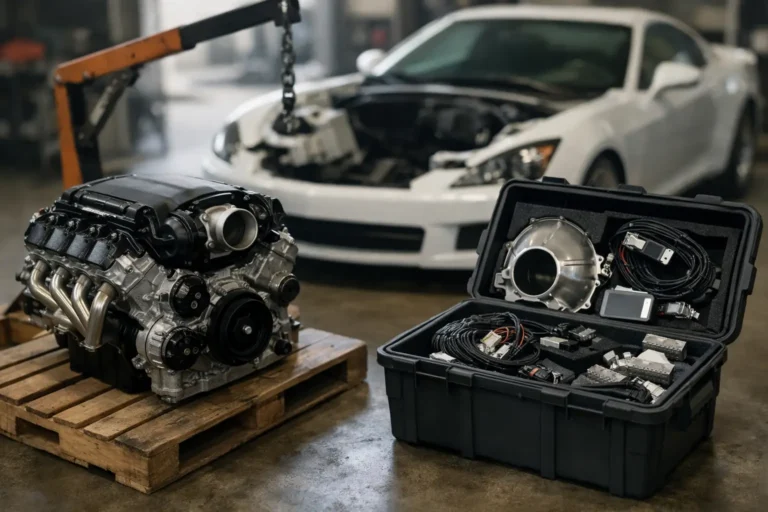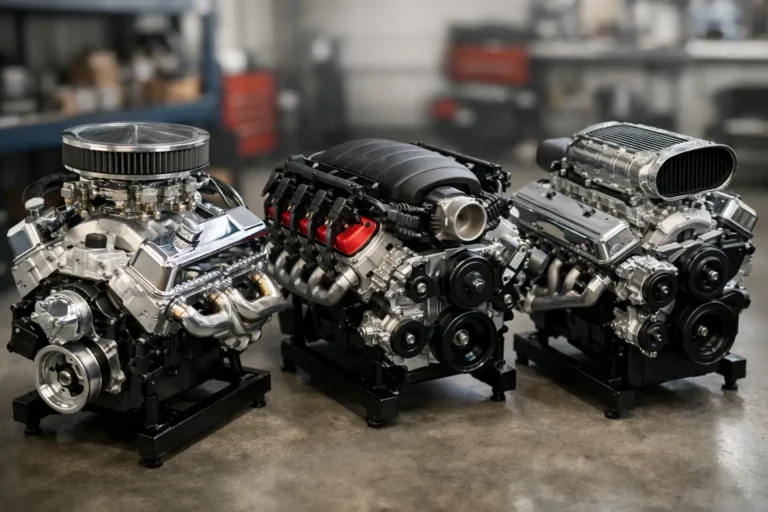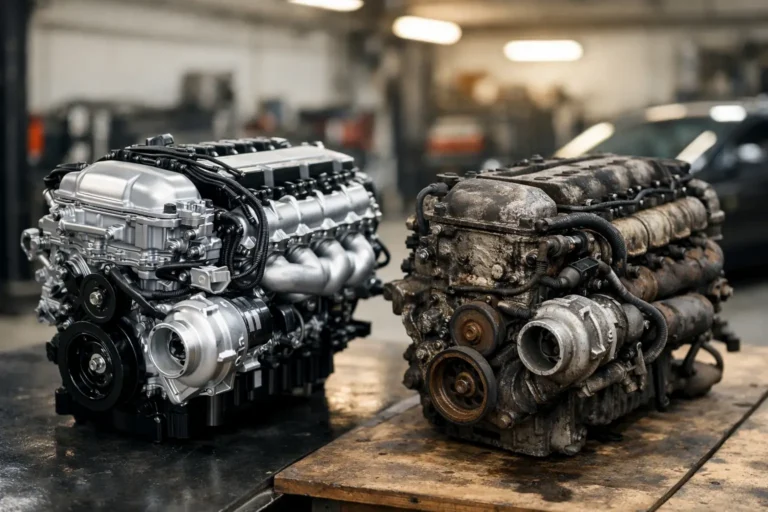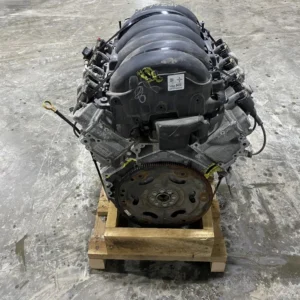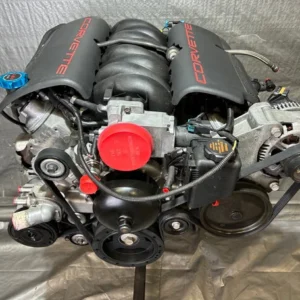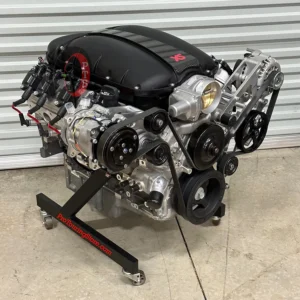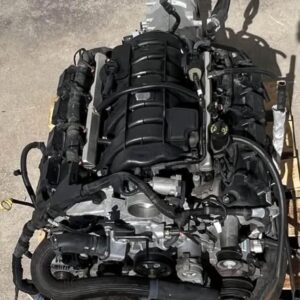
A stalled project usually does not need more horsepower first. It needs the right parts working together. This guide to LS powertrains is built for the builder replacing a tired engine, planning a first swap, or putting a complete drivetrain into a truck, muscle car, or street machine without turning the job into months of mismatched parts.
The LS platform earned its reputation because it offers real choices. You can build a budget 5.3L truck setup, step into a 6.0L for more displacement, or start with a performance-oriented LS3-style package. But an LS engine alone is not a powertrain solution. The transmission, wiring, accessory drive, oil pan, mounts, fuel system, cooling package, and computer all need to match the vehicle and the goal.
Why a Complete LS Powertrain Changes the Build
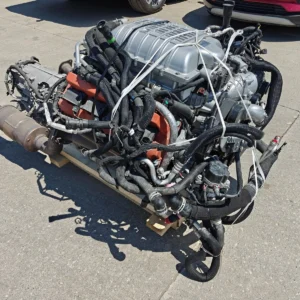
Buying an engine and chasing the rest of the drivetrain later can look cheaper on day one. It often costs more in delays, shipping, duplicate purchases, and parts that were never designed to work together. A complete engine-and-transmission package gives you a known starting point: a matched flexplate or converter setup, compatible electronics, and a transmission selected for the engine’s output and intended use.
That matters most when the vehicle needs to get back on the road quickly. A repair shop cannot leave a bay tied up while waiting on a transmission harness. A weekend builder does not want to discover that the engine accessories hit the frame after the engine is already hanging from the hoist. Start with the whole combination, then build the vehicle around its real dimensions and requirements.
There is still a place for an engine-only purchase. If you already have a proven transmission, standalone wiring, and swap hardware, buying the long block or complete pullout may make perfect sense. The key is being honest about what you already own and what still has to be sourced.
Choosing the Right LS Engine for Your Goal
The best LS is not automatically the biggest one or the one with the highest advertised horsepower. It is the one that fits the budget, vehicle, fuel plan, and intended driving style.
Budget-friendly truck engines
The 4.8L and 5.3L truck engines are popular because they are plentiful, compact for their output, and capable of serious results with the right supporting parts. A 5.3L is a smart starting point for a street cruiser, pickup refresh, or budget swap where reliability matters more than bragging rights. It delivers strong torque, has broad aftermarket support, and leaves room in the budget for the parts that make a swap drive correctly.
The trade-off is that truck engines may need a different oil pan, intake, accessory spacing, or exhaust solution depending on the chassis. Do not assume a low-price 5.3L drops into every car with stock truck accessories intact.
Big-displacement 6.0L and 6.2L options
A 6.0L LS-based engine is often the sweet spot for builders who want more torque without jumping straight into a premium performance package. It works especially well in heavier trucks, full-size cars, and street builds that need strong pull from a stop. For boosted applications, many builders also favor the displacement and strength potential of certain 6.0L configurations.
A 6.2L or LS3-style setup brings more factory performance potential, but it raises the total cost. The engine price is only part of it. Cylinder head selection, intake fitment, fuel requirements, electronics, and transmission capability can all change the final number. Buy this level of power when the chassis, tires, brakes, and budget are ready for it.
Know the generation before buying
Gen III and Gen IV LS engines share a lot of swap-friendly DNA, but their electronics, sensor locations, throttle controls, and accessory arrangements can differ. Cable throttle and drive-by-wire setups require different components. Some engines use 24x reluctor wheels and others use 58x, which affects ECU and harness compatibility.
Gen V LT engines are excellent modern powerplants, but they are not simply another LS variation. Direct injection, electronics, fuel system demands, and fitment considerations make them a different project. If you want the straightforward path associated with a traditional LS swap, confirm the engine family before you buy.
Match the Transmission to How You Drive
An LS engine can run with a manual or automatic transmission, but the decision should be made before ordering mounts, controls, and electronics. The transmission changes tunnel clearance, crossmember placement, driveshaft length, shifter location, cooling needs, and pedal setup.
For an automatic street build, the 4L60E is a common choice behind stock or mildly upgraded power levels. It is compact, widely used, and familiar to many shops. Once torque climbs or the vehicle gets heavier, a 4L80E is often the stronger choice. It is physically larger and may require more tunnel work, but that extra planning can be worthwhile for a hard-driven truck, boosted build, or high-torque street car.
Manual transmissions bring a different feel and can make a lightweight car more engaging. They also demand the correct flywheel, clutch, bellhousing, hydraulic components, pilot bearing setup, and pedal assembly. A manual swap is not difficult because it is manual. It becomes difficult when the buyer treats those related parts as afterthoughts.
If the engine package includes a transmission, ask whether the torque converter, flexplate, harness, transmission control provisions, and shifter components are included or still needed. “Paired” does not always mean fully ready to install.
Electronics, Fuel, and Cooling Are Not Optional Details
The engine computer is the command center of an LS powertrain. A compatible ECU and harness must match the engine’s crank signal, throttle type, injectors, transmission, and sensor package. Factory electronics can be a good value when they come with the matching engine, but they may need security removal, emissions-related changes, and professional tuning for the new chassis.
A standalone harness simplifies many swaps, especially in older vehicles with minimal factory electronics. It is a cleaner route, but it still needs the correct ECU calibration and a sensible plan for gauges, fans, transmission control, and diagnostic access.
Fuel delivery deserves the same attention. Most LS applications need consistent high-pressure EFI fuel supply, proper filtration, and safe return or returnless plumbing based on the chosen system. Cooling needs are equally real. A healthy radiator, correctly sized fans, steam-port routing, and adequate transmission cooling are what keep a great engine package from becoming an overheated first drive.
Fitment Is Where Good Swaps Win or Lose
Before buying, measure the engine bay, transmission tunnel, firewall clearance, steering shaft path, hood line, and front accessory space. An LS is compact compared with many older V8s, but the intake, oil pan, accessories, headers, and transmission are what determine whether it actually fits.
Oil pans are one of the biggest swing factors. A truck pan may work perfectly in a full-size pickup yet interfere with a car crossmember. Accessory drives create similar problems. Truck spacing can place the alternator or A/C compressor where the frame, suspension, or radiator support wants to be. Swapping those parts later is possible, but it should be a planned cost rather than a surprise.
Also plan the driveshaft after the engine and transmission are positioned. Final length, yoke selection, U-joint size, and pinion angle cannot be guessed from a listing photo. This is the kind of detail that separates a vehicle that moves under its own power from one that feels finished.
What to Confirm Before You Buy an LS Package
A powertrain purchase should come with clear answers, not assumptions. Confirm these four details before committing:
- Engine identification, displacement, casting or VIN information when available, and stated mileage.
- Whether the transmission, torque converter, flexplate, ECU, harness, pedal assembly, and accessories are included.
- The condition of the package, including whether it is used, remanufactured, new, tested, or sold as a dropout assembly.
- The exact vehicle application and any fitment work still required for your chassis.
At Swap Engine Vault, the advantage of shopping complete packages is simple: you can compare engine type, mileage, transmission pairing, and application in one place instead of piecing together a drivetrain from scattered listings. That does not remove the need to plan your swap, but it gives the plan a stronger foundation.
Build the Combination, Not Just the Engine
The right LS powertrain is the one that makes the entire vehicle better. A mild 5.3L with the right transmission, cooling system, wiring, gearing, and tires will deliver more usable fun than an oversized engine package surrounded by compromises. Set the goal, verify the fitment, buy the components as a combination, and leave enough budget to finish the details that get your ride running strong.