A seized engine can turn a dependable truck, commuter, or project car into a very expensive driveway ornament fast. When it is time to replace it, the used versus reman engines decision usually comes down to one question: Do you need the lowest upfront price, or do you need the most predictable long-term reset?
Both options can be the right move. A lower-mileage used engine can get a daily driver back on the road without draining the entire repair budget. A remanufactured engine can make more sense when you want renewed internal components, documented machining work, and a warranty built around longer ownership. The smart buy is the one that matches your vehicle, timeline, budget, and build goals.
Used Versus Reman Engines: The Real Difference
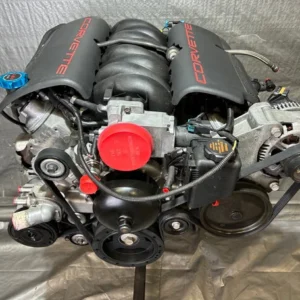
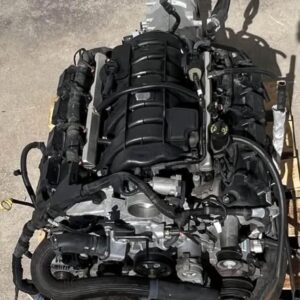
A used engine is an original factory engine removed from another vehicle. It may come from a collision-damaged vehicle, a donor vehicle being dismantled, or a complete dropout assembly. Its major components are generally still the components it left the factory with. Mileage, condition, compression, oil condition, and the donor vehicle’s history all matter.
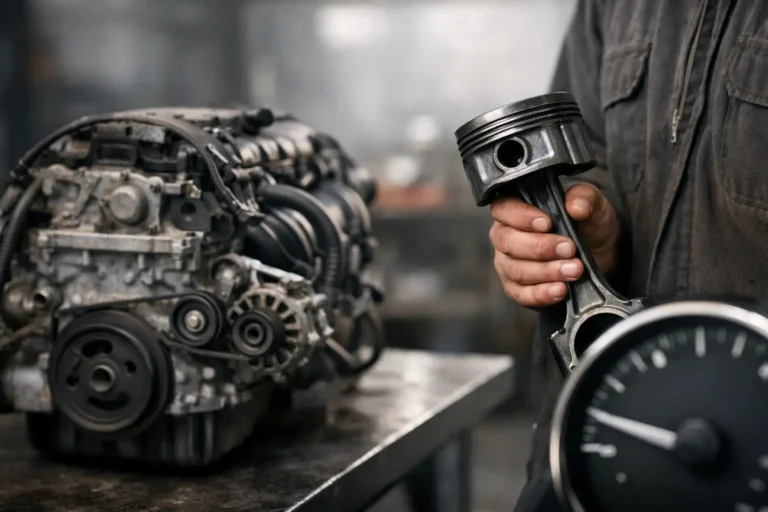
A remanufactured engine has been disassembled, inspected, machined as needed, and rebuilt to a defined process. Worn or out-of-spec components are replaced or reconditioned. Depending on the remanufacturer and engine family, that can include pistons, rings, bearings, timing components, oil pumps, gaskets, valves, and more. It is not simply a cleaned-up used engine.
That distinction matters because a used engine is primarily a condition purchase, while a reman engine is primarily a process purchase. With used power, you are buying a known configuration with a mileage story. With reman power, you are buying the quality and consistency of the rebuilding operation. Neither label automatically guarantees a better engine.
When a Used Engine Is the Better Buy
A used engine is often the fastest, most cost-effective answer for a stock replacement. If your 5.3L Silverado needs to get back to work, your Mustang needs a compatible replacement, or a BMW daily driver has suffered a major internal failure, a tested lower-mileage used engine can be a strong value.
The biggest advantage is straightforward: you can often purchase the factory-correct engine for substantially less than a quality reman unit. That leaves room in the budget for the parts that should be replaced during installation, such as plugs, belts, hoses, seals, mounts, fluids, filters, and possibly a water pump. Skipping those supporting parts to afford a more expensive long block is not always the win it appears to be.
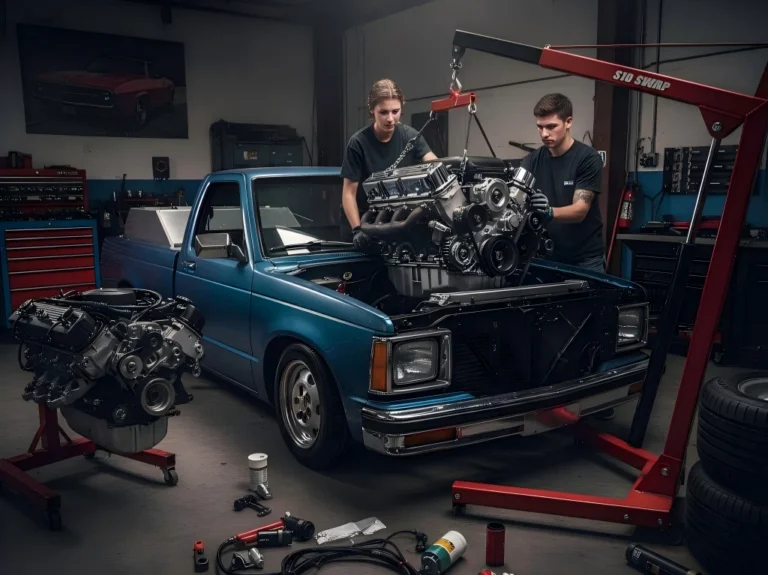
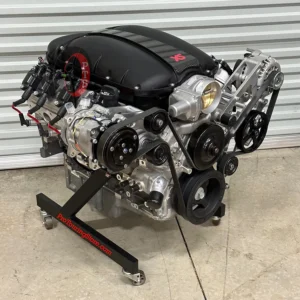
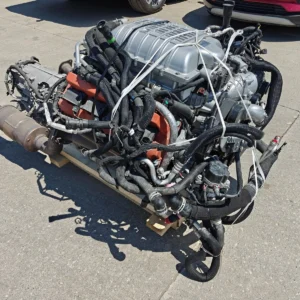
Used engines also make sense for swaps and complete powertrain projects. An engine-transmission package from the same donor can reduce compatibility headaches. You may receive matching electronics, accessories, torque converter, flexplate, and transmission components that are far more difficult to track down separately. For an LS swap, truck rebuild, or drivetrain conversion, that completeness can be worth as much as the engine itself.
The trade-off is remaining service life. Even a clean, low-mile engine has lived a life before it reaches your shop. Maintenance habits, heat cycles, storage conditions, and the reason the donor vehicle was removed from service can affect what happens after installation. Ask for the engine code, mileage, application details, and what is included. Fitment is not just about whether the block bolts in. Intake layout, oil pan shape, accessory drive, sensors, wiring, and ECU compatibility can all change the scope of the job.
Where Remanufactured Engines Earn Their Price
A reman engine is built for buyers who want fewer unknowns inside the long block. It is especially appealing when the vehicle has a long future ahead of it: a work truck you plan to keep, a family SUV that needs dependable miles, or a repair-shop customer’s vehicle where confidence after the sale matters.
Because the engine has been torn down, the remanufacturing process can address wear that cannot be confirmed from the outside of a used engine. Cylinder walls can be machined, crankshafts measured, heads rebuilt, and worn components replaced according to the builder’s standards. The result is meant to restore the engine close to its intended operating specification.
That does not mean every reman engine includes every external component or arrives ready to drop in. Many are sold as long blocks and require you to transfer manifolds, sensors, fuel-system parts, accessory drives, oil pans, valve covers, or other vehicle-specific equipment. A reman engine can be mechanically renewed yet still create installation work if the package does not match your exact application.
Price is the other major factor. A quality reman typically costs more than a comparable used engine, and the difference can be significant for certain platforms. That extra expense may be easier to justify if the warranty is strong, the vehicle is worth the investment, and downtime from a second repair would hurt more than the initial savings.
Cost Is More Than the Engine Price
The cheapest listing is not always the cheapest installed engine. Before choosing, calculate the full job. Include freight, core charges if applicable, shop labor, programming, fluids, replacement wear items, gaskets, and any parts needed to adapt the engine to your vehicle.
For a used engine, plan for preventive service while the engine is out. Rear main seals, valve cover gaskets, intake gaskets, spark plugs, sensors with known failure histories, and timing components can be far easier to address on a stand than after the engine is back in the vehicle. A used engine with the right mileage and complete accessories may beat a cheaper bare engine once those missing pieces are priced out.
For a reman engine, read the warranty terms before you buy, not after installation. Some warranty coverage depends on documented installation procedures, replacement of the oil cooler or related components, proper cooling-system service, and proof that the failure was not caused by a fuel, ignition, or lubrication problem. Those requirements are reasonable, but they need to be part of your estimate.
Fitment Can Make or Break Either Choice
Two engines with the same displacement are not automatically interchangeable. A 5.3L is not just a 5.3L, and a 6.2L is not just a 6.2L. Generation, VIN code, casting, reluctor wheel, cylinder deactivation setup, throttle body, sensor style, and oil pan configuration can separate a direct replacement from a wiring-and-tuning project.
Start with your vehicle’s VIN, engine code, model year, drivetrain, and transmission. Then identify whether you need a bare long block, a complete engine, or an engine-and-transmission package. If you are building a swap, decide early whether you want a factory-style setup or a custom combination. That one decision changes the best path.
For stock replacements, direct fitment usually wins. For performance builds, a complete donor package may deliver better value because it keeps the engine, transmission, electronics, and supporting hardware in the same family. Swap Engine Vault is built around this reality: buyers often need a complete solution, not another scavenger hunt for one missing bracket or module.
How to Choose Without Guesswork
Use your intended ownership and risk tolerance as the tiebreaker. A used engine is usually the stronger play when the budget is tight, the vehicle has lower market value, you need a quick factory replacement, or you are sourcing a complete donor setup for a swap. Focus on lower verified mileage, correct application details, and a clear description of what comes with the engine.
A reman engine is usually worth the higher buy-in when you are keeping the vehicle for years, want renewed internals, need formal warranty backing, or cannot afford a repeat repair. Confirm exactly what has been remanufactured, what components must be transferred, and what installation documentation is needed to protect coverage.
There is also a middle ground. A carefully selected used engine plus smart preventive maintenance can be a dependable package. Likewise, a reman engine installed with old contaminated cooling parts or ignored fuel-system issues can have a short life. The engine choice matters, but the quality of the installation and supporting systems matters just as much.
Buy the powertrain that solves the whole job, not the one with the flashiest price tag. Get the fitment right, match the package to how you use the vehicle, and leave room in the budget to install it properly. That is how a replacement engine becomes a real fix instead of the start of another repair.