A dead truck, a tired muscle car, or a project that has outgrown its original powertrain all lead to the same question: which LS engines actually make sense for the build? The right answer is not always the biggest displacement or the highest horsepower number. It is the engine package that fits your vehicle, your budget, your timeline, and the way you plan to drive it.
That is why the LS platform remains the go-to choice for builders, shops, and weekend wrenchers across the country. It delivers proven GM V8 power, huge aftermarket support, and options ranging from affordable truck takeouts to serious performance packages. Buy smart, and you can skip the endless hunt for mismatched parts and get your ride back on the road with a drivetrain that is ready to work.
What Makes LS Engines Such a Strong Swap Choice?
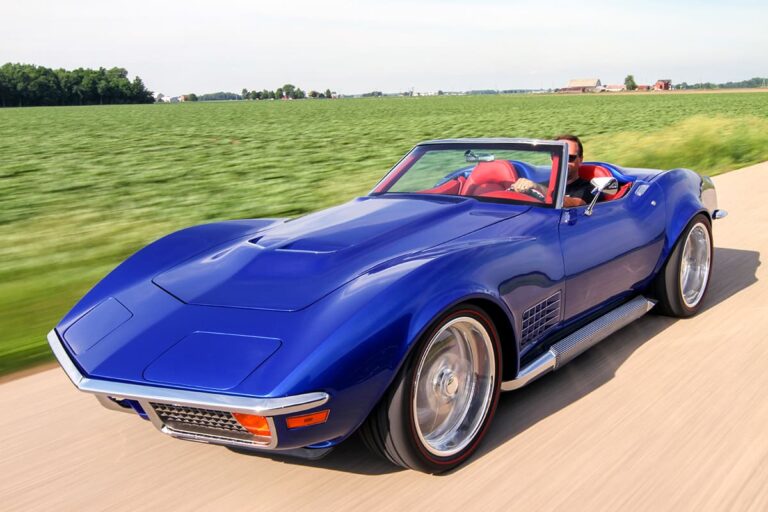
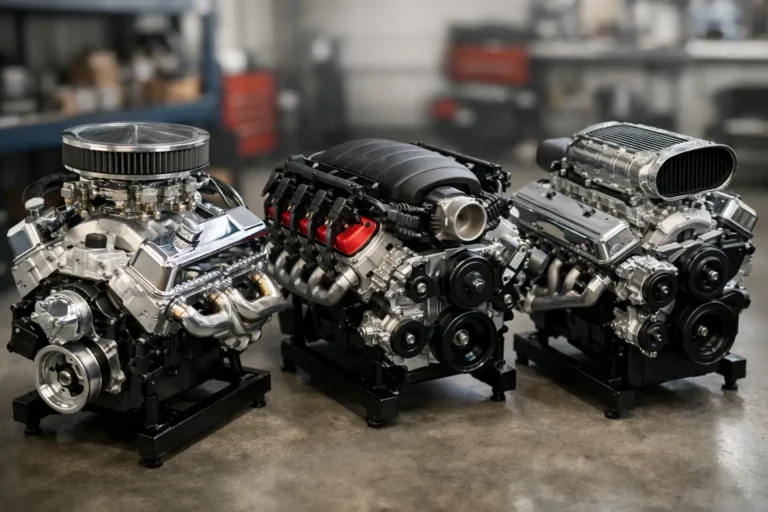
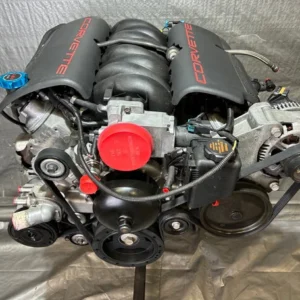
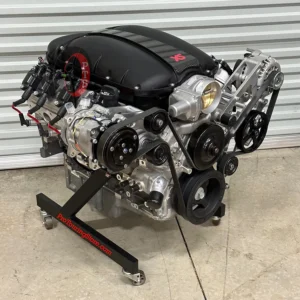
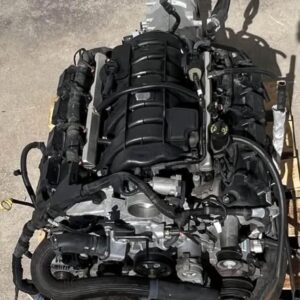
LS engines earned their reputation because they are compact, capable, and available in a broad range of displacements. A factory truck 5.3L can be a practical budget swap. A 6.0L can bring stronger torque for a heavy street truck or classic car. A 6.2L can be the move when bigger power is the priority. The shared platform also makes it easier to find mounts, oil pans, wiring solutions, accessory drives, headers, and tuning support for many popular chassis.
But “LS swap” is not one universal recipe. Truck and car engines can have different oil pans, intake layouts, accessory positions, electronics, and transmission pairings. A powertrain that looks perfect on a listing can still create extra work if those details do not match the vehicle. That is not a reason to avoid the platform. It is a reason to source the package with a plan.
Start With the Job Your Engine Needs to Do
Before comparing listings, decide whether this is a replacement, a swap, or a performance upgrade. That one decision narrows the field fast.
Replacing a Factory GM Engine
If you are putting an engine back into a Silverado, Tahoe, Suburban, Sierra, or similar GM vehicle, matching the original application matters more than chasing displacement. Confirm the VIN code, generation, fuel system, sensor arrangement, reluctor wheel, and transmission compatibility. A newer engine may physically fit but require wiring, ECU, or fuel-system changes that turn a straightforward replacement into a larger project.
For a daily driver or work truck, a lower-mileage used engine or a remanufactured replacement can be the practical play. The goal is dependable power with minimal downtime, not a parts list that keeps growing after the engine arrives.
Building a Swap Project
For a classic Chevy, square-body truck, Fox-body Mustang, Jeep, street rod, or custom project, the engine itself is only one part of the equation. You also need to account for mounting, oil-pan clearance, cooling, fuel delivery, exhaust routing, electronics, driveshaft work, and transmission control.
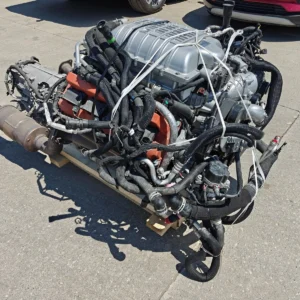
This is where a complete engine-and-transmission package can save serious time. Keeping the matched transmission, torque converter, flexplate, wiring, ECU, and related components together reduces guesswork. It also helps you avoid buying an engine first and discovering later that the transmission, harness, or controller you need is difficult to source.
Choose Displacement for Torque, Budget, and Goals
A 4.8L or 5.3L truck engine is often the entry point for budget-minded builds. These engines are plentiful, responsive, and capable of making a fun street vehicle without draining the build fund. A 5.3L is especially popular because it offers solid displacement, broad availability, and plenty of upgrade potential when the rest of the combination is right.
A 6.0L steps up the torque and is a favorite for heavier vehicles, towing-focused projects, and builders who want more naturally aspirated punch. It can cost more than a common 5.3L, but the added cubes may be worth it when you want strong low-end pull without relying on aggressive gearing or forced induction.
A 6.2L is for buyers who want a stronger factory starting point for performance. These engines can deliver impressive results, but the price, electronics, fuel requirements, and supporting components often climb with them. It depends on the build. A 6.2L makes sense when the target power and vehicle value justify it. For a basic cruiser, a clean 5.3L package may leave more money for brakes, suspension, tires, and the other upgrades that make a vehicle enjoyable to drive.
Don’t Buy the Engine Without Checking the Transmission
Transmission choice can make or break the value of an LS purchase. A complete automatic package may be ideal for a truck replacement, a cruiser, or a project that needs to get moving quickly. A matched engine and transmission removes a major compatibility question and simplifies the swap process.
At the same time, not every transmission belongs in every build. A heavy-duty unit can be a smart match for a torque-rich truck engine, while a lighter-duty transmission may suit a mild street car. Consider vehicle weight, tire size, intended use, rear axle ratio, and power goals. A transmission that survives behind a stock engine may not be the right long-term answer after cam, boost, or hard launches enter the picture.
Manual transmission swaps bring their own checklist: bellhousing, clutch, flywheel, hydraulics, pilot bearing, starter fitment, crossmember, driveshaft, and ECU tuning. The manual route can be worth the effort for driver engagement, but it is rarely the quickest or least expensive option.
Fitment Details That Save Money Later
A strong price does not help if the package creates avoidable fabrication or wiring costs. Verify the basics before you buy: engine year range, application, mileage, fuel type, accessory configuration, oil pan style, ECU availability, wiring harness status, throttle body, and transmission included or not included.
For swap builds, pay close attention to the oil pan and accessory drive. Truck accessories can sit farther forward and may interfere with tight engine bays, radiators, or frame crossmembers. Oil-pan clearance is another frequent issue, especially on cars with front-steer suspension or tight crossmember geometry. These are solvable problems, but they should be planned before the engine is in your garage.
Mileage matters, too. Lower mileage can be a major advantage, particularly for a used dropout package, but it is not the only condition indicator. Ask what is included, inspect available photos and details carefully, and plan for normal service items such as seals, plugs, filters, belts, fluids, and gaskets while the engine is out. A few preventive parts installed now can prevent a much bigger job later.
Used, Remanufactured, or Crate: Buy for Your Situation
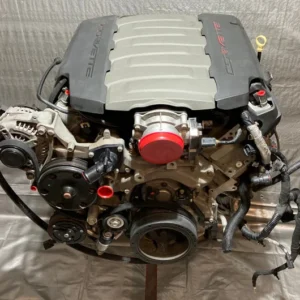
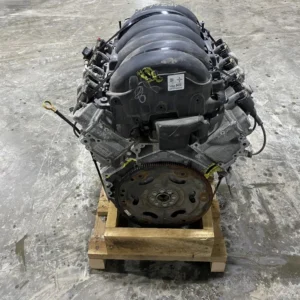
Used engines are often the value leader for replacement and swap projects. They can offer a complete OEM foundation at a price that leaves room for installation parts and upgrades. The trade-off is that the buyer needs to pay close attention to mileage, included components, and application details.
Remanufactured engines are a strong option when consistency and refreshed internal components matter more than keeping the initial purchase price as low as possible. They are especially appealing for customers who need a dependable replacement engine for a vehicle that works every day.
Crate engines are built for buyers who want a new-performance foundation, a defined horsepower level, or a cleaner path toward a fresh build. They can reduce uncertainty, but they still need the right fuel system, cooling, exhaust, electronics, and transmission plan. New does not mean plug-and-play in every chassis.
At Swap Engine Vault, the advantage is being able to compare replacement engines, swap-ready options, and complete powertrain packages in one place instead of piecing together a drivetrain from scattered sources.
Build a Short Parts Plan Before You Order
An engine purchase should trigger a short planning session, not a guessing game. Confirm the engine package, transmission, ECU and harness, mounting solution, fuel-system requirements, cooling setup, exhaust clearance, driveshaft needs, and tuning path. If your project needs four or more of those items, a more complete package can be the better deal even when the sticker price is higher.
Also set aside budget for the unglamorous essentials. Fluids, filters, hoses, clamps, sensors, batteries, heat shielding, and hardware do not make flashy build photos, but they determine whether the vehicle starts, runs cool, shifts correctly, and stays reliable.
The best LS engine is not the one with the loudest spec sheet. It is the one that matches the vehicle and arrives with a clear path to installation. Choose the package that solves the most problems upfront, then put your time where it belongs: getting behind the wheel.