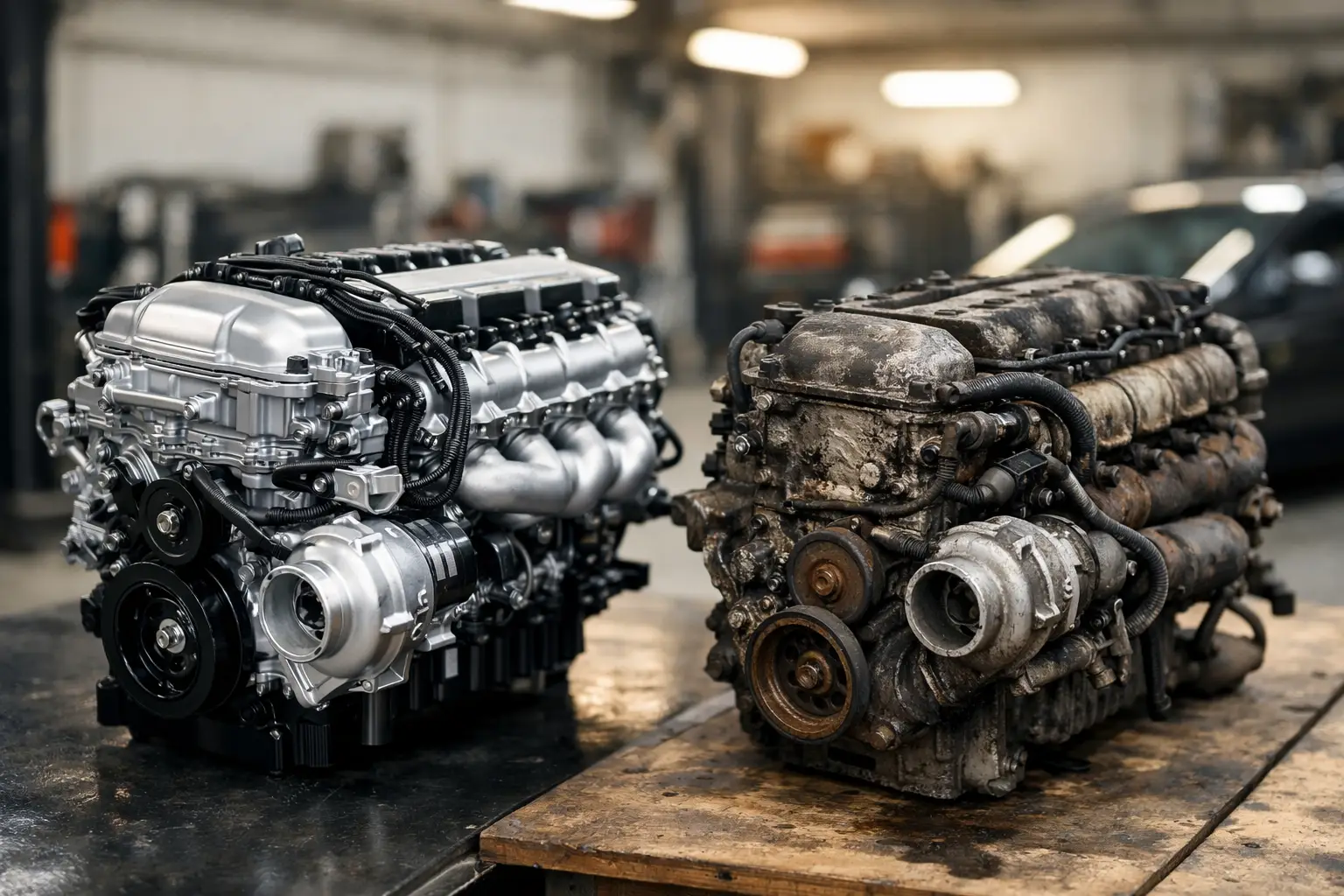
A spun bearing, a cracked block, or a tired high-mile truck can force a fast decision: new engine vs used. The right answer is not always the lowest-price engine or the newest one on the page. It is the powertrain that matches your budget, your timeline, your vehicle, and the kind of miles you plan to put on it.
For a daily driver, a work truck, an LS swap, or a street-performance build, buying smart starts with knowing what you are actually getting. A complete low-mileage dropout can put you back on the road quickly. A new crate engine can give a clean foundation for a build you plan to keep for years. The details decide the value.
What New, Used, and Remanufactured Really Mean
A new engine is generally a factory-new or aftermarket crate engine built from new components. Depending on the package, it may arrive as a long block, a complete dressed engine, or a performance-ready assembly. New does not automatically mean every sensor, accessory, harness, flexplate, or transmission is included. Read the package details before assuming it is ready to drop in.
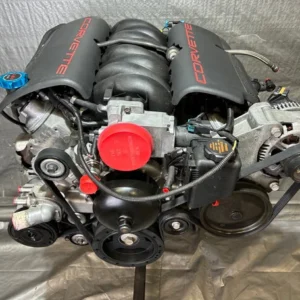
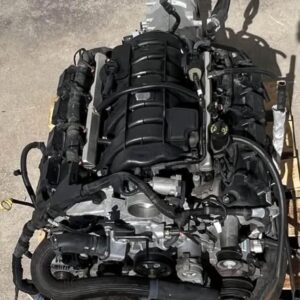
A used engine is typically removed from a donor vehicle. Its strongest selling points are real-world compatibility, lower upfront cost, and availability. A lower-mileage used 5.3L, 6.0L, Coyote, HEMI, or BMW engine can be a strong move when the goal is getting a vehicle moving again without paying crate-engine money.
A remanufactured engine sits between those options. It is rebuilt to a defined standard using machined and replaced components, but the exact parts replaced and warranty terms vary by supplier. Do not treat remanufactured, rebuilt, and new as interchangeable terms. They are different products with different price points, lead times, and expectations.
New Engine vs Used: Start With the Real Job
The fastest way to make a bad purchase is to shop only by engine name. A 5.3L is not just a 5.3L, and a 5.0L is not just a 5.0L. Year range, generation, reluctor wheel, oil pan shape, accessory drive, electronics, emissions equipment, and transmission compatibility can all change what fits.
If you are replacing the original engine in a daily driver, the goal is usually simple: reliable fitment, sensible cost, and minimal downtime. A used engine with verified mileage and the right application can be the practical choice, especially when paired with the correct transmission or transfer-case-compatible setup.
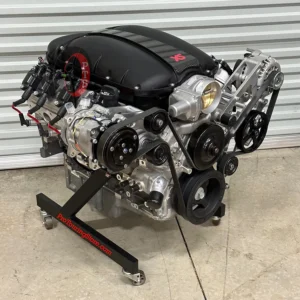
If you are building a car around horsepower, the calculation changes. A new crate engine may make more sense because you can choose the displacement, camshaft, compression, and output level before the build starts. You are paying more upfront, but you may avoid tearing down a used engine later to make the power you wanted from day one.
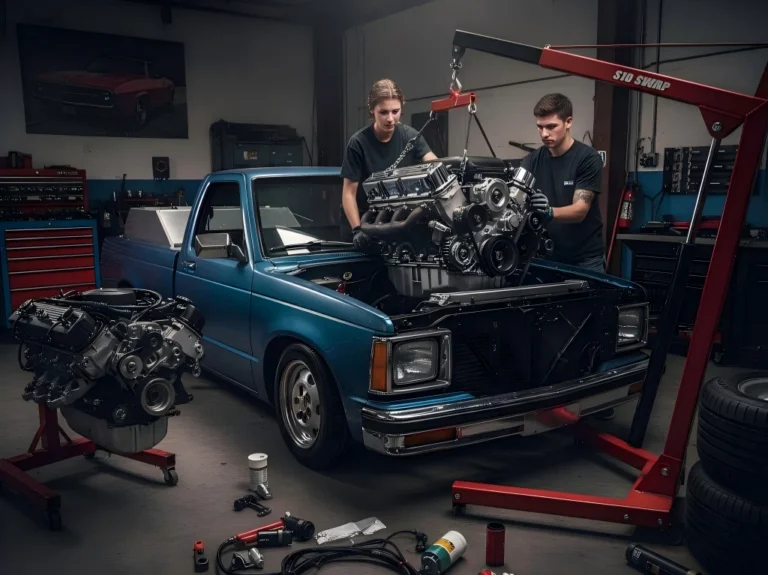
For swaps, complete packages often win. An engine that comes with its matching transmission, accessories, and key components can save hours of parts chasing. That matters when a project has been sitting in the garage for months and every missing bracket turns into another delayed order.
Compare the Cost Beyond the Price Tag
Used engines usually offer the lowest entry price, but the purchase price is only one line on the build sheet. Budget for fluids, filters, plugs, gaskets, mounts, programming, shipping, labor, and the parts you discover you need once the old engine is out.
A new engine costs more, yet it can reduce uncertainty. There is no donor history to decode, no unknown maintenance habits, and no question about how hard the engine was driven before removal. That extra confidence can be worth it for a long-term build, a customer vehicle, or a shop that cannot afford a comeback.
Used can still be the better value when the engine is low mileage, properly identified, and suited to your plan. There is no reason to buy a high-dollar performance crate engine for a stock work truck that needs to be back in service next week. On the other hand, a cheap used engine stops being cheap if it needs a full rebuild before installation.
Think in terms of total installed cost. Ask what must be reused from your current setup, what comes with the replacement, and what labor changes if the engine and transmission arrive as a matched package.
Mileage, History, and Condition Matter More Than Labels
A used engine is not automatically risky, and a new engine is not automatically plug-and-play. The useful questions are specific: What is the mileage? What vehicle did it come from? Is it a complete dropout or a bare assembly? Is the oil pan included? Are accessories, intake components, wiring, or a transmission part of the deal?
Mileage gives you a starting point, not the full story. A 60,000-mile engine from a well-maintained highway vehicle may be a better candidate than a 30,000-mile engine with a hard life, poor storage, or missing components. For a performance build, you may plan to inspect and upgrade a used platform anyway. In that case, buying the right core architecture can matter more than keeping every factory part attached.
Before ordering, confirm the engine code and application details against your vehicle. Match the transmission pattern, electronics generation, fuel system requirements, and drivetrain configuration. For four-wheel-drive trucks, oil pan and front differential clearance deserve extra attention. For LS swaps, make sure the accessory drive and pan layout fit the chassis, not just the engine bay in theory.
Warranty and Downtime Can Change the Decision
Warranty terms should be read with the same focus you give fitment. Know what is covered, how long coverage lasts, and what installation requirements apply. Some warranty claims depend on documented maintenance, professional installation, or replacing supporting parts such as coolers and filters.
Downtime is just as real as dollars. A contractor with a disabled Ram, a shop with a lift tied up, or an enthusiast trying to finish a build before race season may value ready-to-ship inventory more than a long custom order timeline. A used engine package that is available now can beat a new engine that leaves the project waiting for weeks.
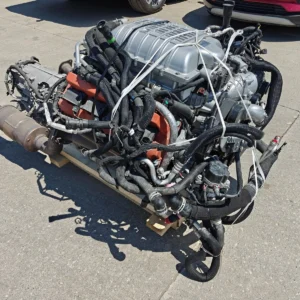
That does not mean you should rush. It means you should buy the package that removes the most uncertainty. A complete engine and transmission assembly can simplify planning, especially when your old transmission has high miles or the vehicle suffered a drivetrain failure that may have affected more than the engine.
When a Used Engine Is the Smart Move
Choose used when you need a cost-effective replacement, your vehicle is staying close to stock, and you can verify the donor application and mileage. It is also a strong choice for builders who want an OEM-based platform for a swap without paying for a brand-new crate package.
Used makes particular sense for common truck and SUV engines with broad parts support. A lower-mileage GM truck engine, Ford modular or Coyote setup, Dodge/Ram HEMI, or complete BMW dropout can deliver serious value when the package matches your build requirements.
The key is buying with a plan. Do not order an engine first and figure out the wiring, accessories, ECU, transmission, and mounts after it arrives. Those details are the difference between a weekend install and a project that stalls for a season.
When a New Engine Earns Its Price
Go new when you want known specifications, maximum service life, or a power target that stock donor hardware may not support. It is the better play for high-end restorations, fresh performance builds, and vehicles you expect to keep for the long haul.
A new crate engine also gives you a cleaner starting point if you are building around a particular horsepower number. Instead of gambling on an unknown bottom end and adding upgrades later, you can start with an engine designed for the job. That can make the larger initial investment easier to justify.
For either route, make fitment the final checkpoint. Confirm what is included, what must transfer from your old engine, and whether a bundled transmission package will save time and labor. Swap Engine Vault helps make that search easier by bringing replacement engines, performance options, and swap-ready packages into one place.
Your vehicle does not need the most expensive engine on the market. It needs the right one for the miles, power, and deadline ahead. Get the details straight before you buy, then put your money into a powertrain package that gets your ride back where it belongs: on the road.