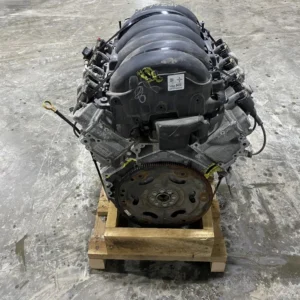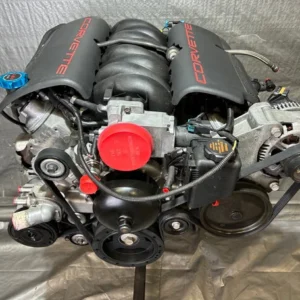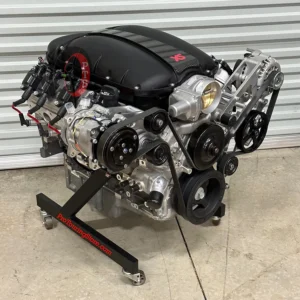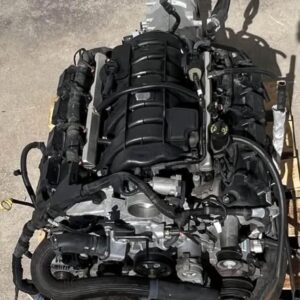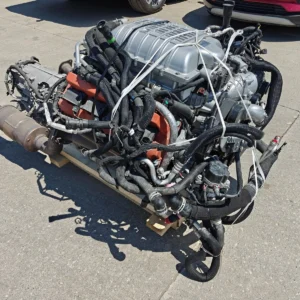
A low-mileage engine can look like the deal of the year until it reaches your shop and the connectors, oil pan, mounts, or transmission pattern do not match. Knowing how to verify engine fitment before you buy protects your budget, your timeline, and the entire build.
Fitment is not just about whether an engine came from the same model badge. A 5.3L is not automatically a direct replacement for every 5.3L truck. A Coyote is not a bolt-in answer for every Mustang. The right package comes down to the exact vehicle, engine code, production year, emissions equipment, electronics, and the parts you plan to reuse. Get those details straight before the order is placed, and you are much closer to a fast, clean install.
Start With the Vehicle VIN
Your Vehicle Identification Number is the strongest starting point for a stock replacement engine. The VIN helps identify the original model year, assembly plant, engine application, and equipment package. For many vehicles, the eighth character identifies the engine, although the position and meaning can vary by manufacturer and year.
Have the full 17-digit VIN ready when comparing engines or speaking with a seller. Do not rely only on what the previous owner said was installed. Vehicles get repaired, modified, and swapped over decades. The VIN tells you what the vehicle left the factory with, which gives you a reliable baseline.
For a replacement, also confirm whether your truck, SUV, or car is two-wheel drive or four-wheel drive, automatic or manual, and equipped with California emissions hardware. Those details can change accessory layouts, oil pans, exhaust routing, and sensor requirements.
Match the Engine Code, Not Just the Displacement
Engine displacement is a broad category, not a fitment guarantee. GM built multiple 5.3L, 6.0L, and 6.2L V8 variants with different blocks, cylinder heads, fuel systems, reluctor wheels, electronics, and accessory drives. Ford Modular engines, Coyote V8s, Hemi engines, and BMW six-cylinder applications carry the same kind of variation.
Find the original engine code from the vehicle’s emissions label, build information, service records, or factory documentation. Then compare it with the code and application listed for the engine you want to purchase. Common identifiers include RPO codes on GM vehicles, Ford engine family designations, Chrysler engine codes, and stamped or tagged assembly numbers.
A code match is usually the quickest path to a direct replacement. If the codes differ, that does not automatically kill the deal. It simply means you need to identify what changes are required. An earlier block may accept your accessories but need a different crank sensor. A later engine may run perfectly with the correct harness, computer, and pedal assembly. That is a swap decision, not a blind replacement decision.
Verify Engine Fitment at the Physical Level
Before you get into tuning and wiring, make sure the engine can physically live in the vehicle. Compare the block family, mount locations, bellhousing pattern, oil pan shape, intake clearance, and exhaust manifold clearance.
For a factory replacement, confirm that the replacement engine uses the same mount bosses and oil pan configuration as your original. Truck and car versions of the same GM LS-based engine, for example, can use dramatically different pans and pickup tubes. A front-sump pan can interfere with a crossmember where a rear-sump setup belongs. Four-wheel-drive applications are especially sensitive because front differential clearance often dictates the pan design.
For a custom swap, measure before you buy. Record the distance between frame rails, firewall clearance, hood clearance, steering shaft location, crossmember position, and radiator space. Also look at where the starter sits and whether the exhaust will conflict with the chassis. An engine that fits between the rails may still require different headers, a remote oil filter, or accessory-drive changes to clear the rest of the vehicle.
Check the Transmission Connection
The engine and transmission need to agree at more than the bellhousing. Verify the bellhousing bolt pattern, flexplate or flywheel tooth count, crank flange, torque converter compatibility, pilot bearing needs, and starter position.
If you are buying an engine-transmission package, confirm whether it includes the flexplate, torque converter, starter, transfer case, shifter hardware, and transmission controller. A complete dropout package can cut the guesswork, but only if you know exactly what is included. Never assume a transmission is ready to plug into your existing driveshaft, crossmember, transfer case, or cooler lines.
Electronics Can Make or Break the Install
Modern engines are mechanical and electronic packages. A long block may physically fit your vehicle but still require significant work if the sensors, throttle body, fuel injection, or crank trigger system do not communicate with your existing ECU.
Match the crankshaft reluctor wheel and cam sensor style when possible. GM swaps are a common example: 24x and 58x reluctor systems require compatible computers and harnesses. Mixing components without a plan can create a no-start condition that looks like a fuel or ignition problem but is actually a signal mismatch.
Check these electronic items before ordering:
- ECU or PCM compatibility with the replacement engine
- Engine harness and transmission harness requirements
- Drive-by-wire or cable-throttle configuration
- MAF sensor, MAP sensor, oxygen sensor, and knock sensor styles
- Fuel injector type, fuel rail layout, and operating pressure
- Immobilizer, body control module, and gauge-cluster communication
For a direct replacement, reusing your original intake, sensors, fuel system, harness, and accessories can be the cleanest route when they are known-good and compatible. For a performance build or full swap, a matched engine, harness, ECU, pedal, and transmission controller package often saves time that would otherwise disappear into wiring diagrams and troubleshooting.
Compare Accessories and Front Drive Components
Alternator placement, power steering pump location, A/C compressor position, pulley alignment, and belt routing are easy to overlook. They are also frequent causes of “almost fits” installs.
Truck accessory drives are often wider and taller than car setups. That can create clearance trouble in a classic muscle car, street rod, or tight engine bay. On the other hand, changing to a compact accessory drive may require a different water pump, brackets, tensioner, and belt. Plan the front drive as a system rather than buying one bracket at a time.
Ask whether the engine is sold as a bare long block, dressed engine, or complete dropout. A dressed engine may include intake manifolds, injectors, coils, accessories, and sometimes exhaust manifolds. A long block generally means you need to move more parts over from your original engine. Neither option is automatically better. The right choice depends on whether you need speed, want to retain factory accessories, or are building around aftermarket components.
Do Not Skip Emissions and Legal Requirements
Emissions rules are not a small-print detail. They can determine whether your finished vehicle is street legal, inspection-ready, and insurable in your area.
As a general rule, an engine swap should use an engine of the same model year or newer than the vehicle, while retaining the emissions equipment required for that engine package. Requirements vary by state and county, so verify your local rules before building around a specific engine. If your vehicle needs inspections, plan for catalytic converters, oxygen sensors, evaporative emissions components, and functioning onboard diagnostics from the beginning.
This matters even more with late-model engines. Removing the systems that the ECU expects can create warning lights, reduced-power modes, and inspection failures. A cheaper engine deal is not cheap if it forces you to rebuild the project around emissions compliance later.
Ask for the Details That Listings Cannot Always Show
Product descriptions provide a strong starting point, but fitment questions deserve direct answers before purchase. Have your VIN, original engine code, vehicle year, drivetrain layout, and goals ready. Then ask whether the engine is from the same application, what parts are included, whether the transmission is paired to it, and what electronics are needed to run it.
For used engines, confirm mileage, compression or leak-down information when available, visible damage, and whether the unit was tested before removal. For swap packages, ask about the harness, ECU, pedal, accessories, and whether the package is intended for a specific platform or a universal-style installation.
Swap Engine Vault buyers should approach every package with the same mindset: match the application first, then confirm the supporting parts. A complete engine and transmission package can be a major time-saver, but only when the details line up with your vehicle and build plan.
Build a Fitment Checklist Before You Order
A quick written checklist prevents expensive assumptions. Confirm the VIN and original engine code, then compare the candidate engine’s application, mounts, oil pan, bellhousing, transmission setup, electronics, accessories, fuel system, and emissions equipment. If one item is different, decide whether you already have the needed conversion parts or need to budget for them.
The best engine purchase is not always the cheapest listing or the highest advertised horsepower. It is the package that gets your vehicle running with the fewest surprises. Verify the hard details now, and when the powertrain arrives, you can spend your time turning wrenches instead of chasing parts.