LS Engine Swaps: Why They Remain So Popular.
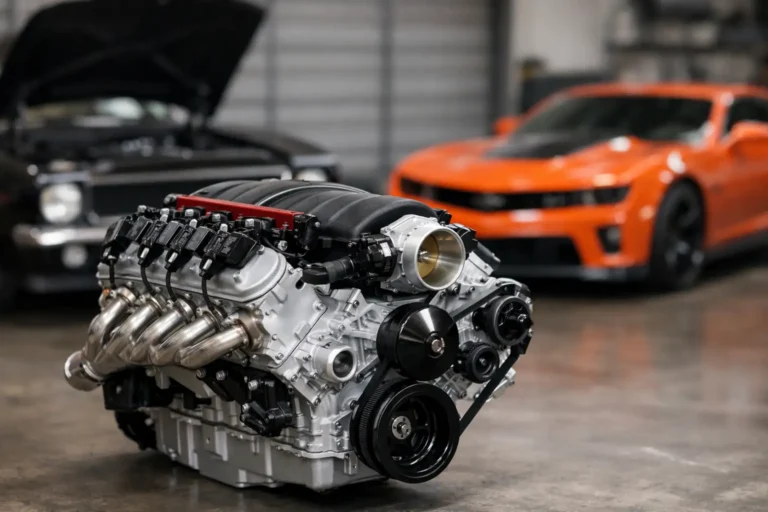
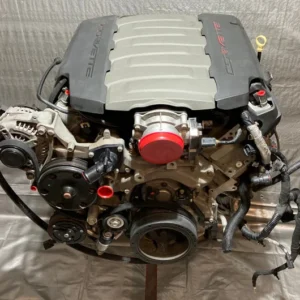
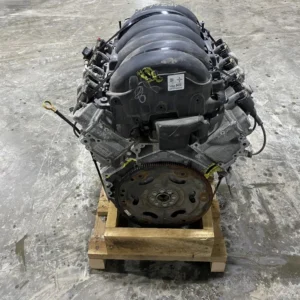
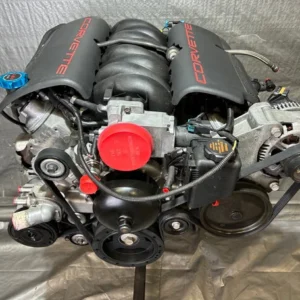
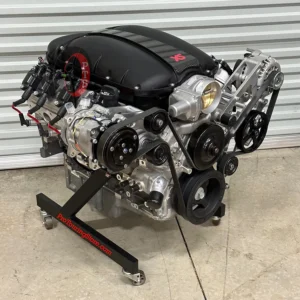
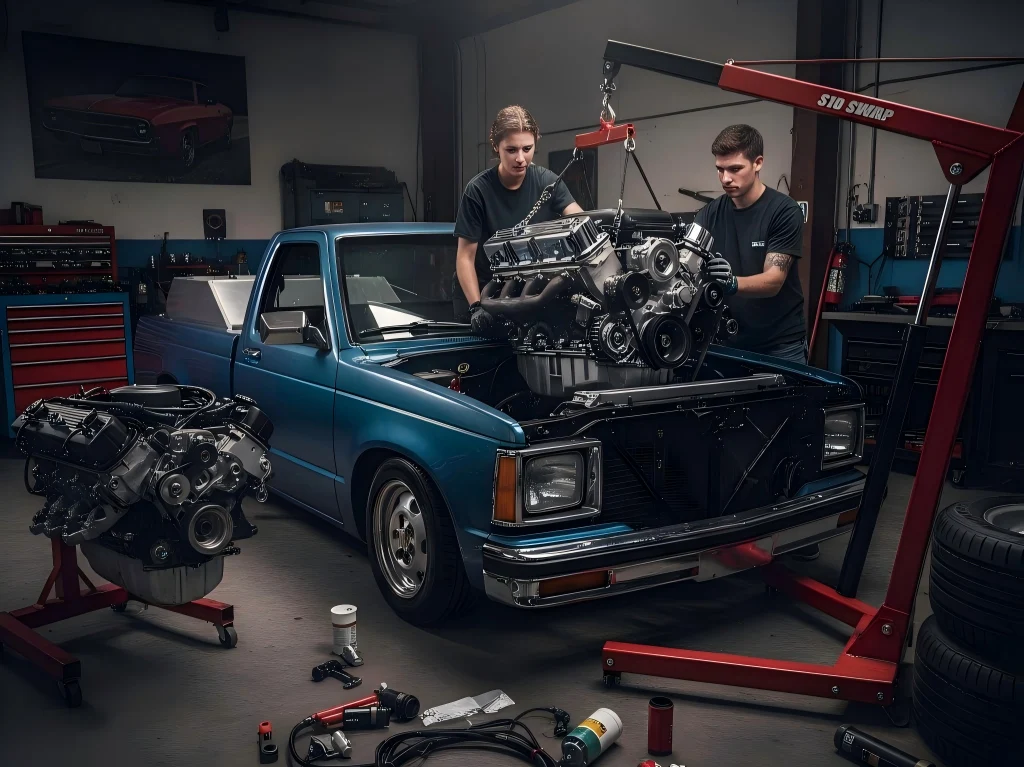
An LS engine swap is one of the most popular ways to give an older car, truck, or custom project a major power upgrade without starting with an entirely new vehicle. The basic idea is simple: remove the original engine and replace it with an LS-family V8, then build the supporting systems around it so everything works together.
What makes the LS platform special is not just horsepower. It is the combination of compact dimensions, strong aftermarket support, electronic fuel injection, plentiful replacement parts, and a huge range of factory engine options. Chevrolet Performance still describes its LS/LSX engines as versatile options for custom builds, with current LS3 offerings ranging from 430 horsepower to substantially higher-output versions.
The real attraction becomes obvious when you compare an LS engine swap with building a completely custom engine from scratch. Instead of trying to design every component around an unknown combination, you are starting with an engine family that has been used in millions of production vehicles and supported by decades of aftermarket development.
That means there are engine mounts, oil pans, wiring solutions, intake systems, headers, accessory drives, transmission adapters, cooling components, and tuning solutions for countless applications.
But an LS engine swap is not simply a matter of dropping an engine into an empty engine bay. The best builds begin with a complete plan covering the engine, transmission, fuel system, cooling system, electrical system, exhaust, driveline, brakes, suspension, and legal requirements.
What Is an LS Engine?

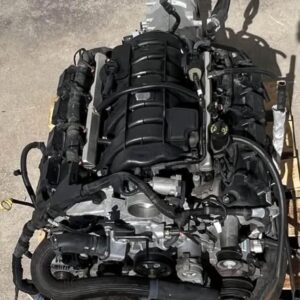
An LS engine generally refers to GM’s modern small-block V8 engine family, especially the Gen III and Gen IV engines commonly found in Chevrolet and other GM vehicles.
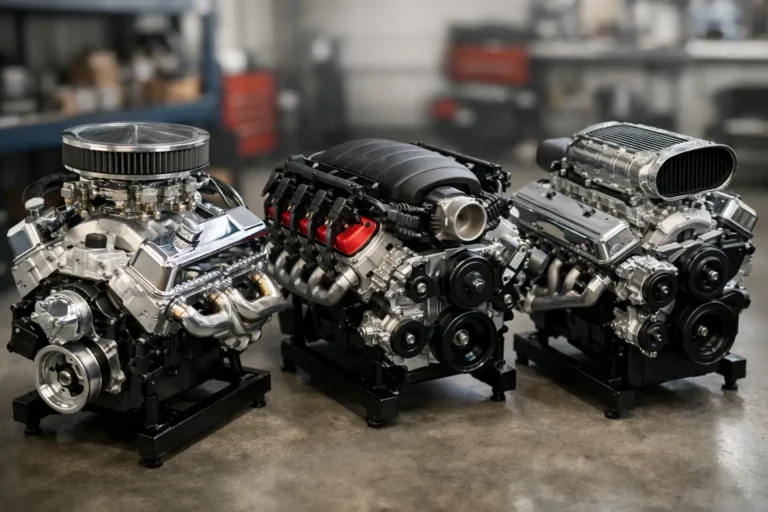
The family includes engines such as the LS1, LS2, LS3, LS6, LQ4, LQ9, LM7, and 5.3L truck engines, along with many related engine codes. Not every engine carrying an LS-style architecture is technically branded “LS,” so it is important to understand the exact engine code before purchasing a motor for a swap.
One reason the platform became such a favorite among builders is its combination of displacement and physical size. A 6.0L or 6.2L LS can deliver serious V8 performance without requiring the enormous engine bay space associated with some older big-block combinations.
Chevrolet’s current LS3 family, for example, includes a 6.2-liter Gen IV small-block with an aluminum block, six-bolt cross-bolted main caps, and factory versions producing 430 horsepower and 425 lb-ft of torque, while performance versions go much higher.
Gen III vs. Gen IV LS Engines
The difference between Gen III and Gen IV LS engines matters when planning a swap because electronics, reluctor wheels, cylinder heads, accessory systems, and other details can vary. Gen III engines include popular choices such as the LS1, LS6, LM7, LQ4, and LQ9. Gen IV engines include engines such as the LS2 and LS3 as well as several truck-based variants.
You should never buy an engine simply because someone advertises it as an “LS.” Identify the engine code, block type, reluctor configuration, cylinder heads, intake, oil pan, accessory drive, throttle arrangement, and intended transmission before committing to the purchase. Even two engines that look almost identical externally can require different wiring or control strategies.
Best LS Engines for Engine Swaps
There is no single best LS engine for a swap because the right engine depends on the vehicle, budget, desired horsepower, transmission, intended use, and local emissions requirements. A lightweight street car may work extremely well with a 5.3L truck engine, while a heavier truck or serious performance build might justify a 6.0L LQ4 or LQ9. Someone seeking a naturally aspirated combination with strong factory performance may prefer an LS3.
The 5.3L LM7 is famous among budget-minded builders because it combines relatively low purchase cost with a large supply of used engines and a strong aftermarket. The 6.0L LQ4 and LQ9 are popular because their larger displacement provides an excellent foundation for naturally aspirated, supercharged, or turbocharged combinations. The LS1 is attractive for traditional performance builds, while the LS3 offers modern Gen IV architecture and strong factory output.
| LS Engine | Displacement | Typical Attraction | Good For |
|---|---|---|---|
| LM7 | 5.3L | Affordable truck engine | Budget swaps |
| LS1 | 5.7L | Lightweight aluminum performance engine | Muscle cars and sports cars |
| LS2 | 6.0L | Modern Gen IV architecture | Performance street cars |
| LS3 | 6.2L | Strong factory power | High-performance swaps |
| LQ4 | 6.0L | Iron block and durability | Trucks and boosted builds |
| LQ9 | 6.0L | High-output iron-block truck engine | Street and performance builds |
| LS6 | 5.7L | High-performance Gen III design | Performance projects |
These are broad categories rather than guarantees of what a particular used engine will contain. Factory specifications changed across applications and model years, so the engine identification number should always be verified before buying.
5.3L LS Truck Engines
A 5.3L LS truck engine swap is often the entry point for builders who want V8 power without spending the money required for a premium performance engine. The huge number of truck applications means used 5.3L engines are relatively common, and the aftermarket has developed solutions for converting them into performance-oriented combinations.
The important lesson is not to underestimate the 5.3L. With the right supporting components, tuning, intake, exhaust, and camshaft, a 5.3L can become a surprisingly serious street engine. Its affordability also makes it attractive for projects where the builder would rather spend money on suspension, brakes, transmission, fuel delivery, and driveline components instead of putting the entire budget into the engine itself.
6.0L LQ4 and LQ9 Engines
The LQ4 and LQ9 are two of the most recognized 6.0L truck-based LS engines. Their iron blocks make them appealing for demanding applications, particularly when a builder is considering forced induction. That does not mean an iron block automatically makes an engine indestructible; tuning, fuel delivery, cylinder pressure, cooling, and the condition of the individual engine remain critical.
For a serious swap, the LQ4 or LQ9 can be an excellent middle ground. You get more displacement than a 5.3L while avoiding the cost of some high-end performance LS engines. Before purchasing one, however, inspect the block, crankshaft, cylinder heads, compression, oil pressure history, and general condition whenever possible.
Choosing an LS Engine for Your Vehicle
Choosing the engine should happen before you start buying random swap parts. Think of the vehicle as a system rather than an engine sitting inside a metal box. Your engine determines the transmission requirements, fuel requirements, cooling needs, exhaust layout, electronics, accessory arrangement, driveshaft requirements, and often the type of rear axle you should consider.
Start by defining what you want the vehicle to do. A daily driver needs different priorities than a drag car. A classic cruiser may prioritize reliability and smooth drivability, while a track vehicle may prioritize cooling capacity, oil control, braking, and high-RPM durability. If you want air conditioning, power steering, cruise control, modern instrumentation, and factory-like drivability, your electronics and accessory choices need to be considered from the beginning.
You should also establish a realistic horsepower target. Building a 500-horsepower street car is very different from building a 1,000-horsepower turbo project. More power creates a chain reaction: the transmission, driveshaft, differential, axles, brakes, tires, cooling system, and chassis may all require upgrades. The mistake is focusing entirely on the engine because horsepower is easy to advertise while the supporting hardware determines whether the vehicle is actually enjoyable and reliable.
LS Swap Engine Mounts and Oil Pans
One of the first physical challenges in an LS engine swap is getting the engine positioned correctly. The engine needs to sit at the correct height and angle while leaving enough room for the steering system, brake booster, hood, firewall, headers, oil pan, transmission tunnel, and other components.
This is why engine mounts are application-specific. An LS engine may physically fit inside an engine bay but still require different mounts to achieve proper positioning. The oil pan is equally important because the wrong pan can interfere with the front crossmember, steering rack, suspension, or chassis.
Do not treat engine mounts as simple pieces of metal that hold the motor in place. Their position determines driveline geometry. If the engine and transmission sit at an incorrect angle, you can create problems with the driveshaft, transmission clearance, exhaust, shifter position, and even oil drainage. A good swap kit should be selected around the exact chassis and transmission rather than simply buying the cheapest available parts.
Choosing the Right Transmission for an LS Swap
The LS engine and transmission combination should be planned together. Popular automatic choices include GM’s 4L60E, 4L65E, 4L70E, and 6L80E families, while manual options include transmissions such as the T56 and Tremec-based performance units. Chevrolet Performance currently lists LS packages with transmissions including the SuperMatic 4L65-E, 4L70-E, 6L80-E, and Super Magnum six-speed manual.
The correct transmission depends on power, vehicle weight, intended use, gearing, and budget. A transmission that works well behind a mild 5.3L daily driver may not be the best choice behind a high-power turbocharged 6.0L. Automatic transmissions also introduce electronic control requirements, while manual transmissions require attention to the clutch, flywheel, hydraulics, pedal assembly, driveshaft, and transmission tunnel.
A transmission swap is often where a seemingly inexpensive LS project becomes expensive. Before buying the engine, determine exactly which transmission you will use and whether you have the required bellhousing, flexplate or flywheel, starter arrangement, torque converter or clutch, transmission mount, crossmember, shifter, driveshaft, and electronic controls.
LS Swap Wiring and ECU
The electrical system is one of the areas that intimidates first-time LS builders. It does not have to be difficult, but it does require planning. The engine needs a compatible ECU/PCM, wiring harness, sensors, throttle control system, fuel control, ignition control, and communication with other vehicle systems depending on the donor and application.
Factory LS electronics can be excellent because they were designed to control the engine reliably under real-world conditions. The challenge is integrating the donor electronics into a different vehicle. Some swaps use modified factory harnesses, while others use standalone harnesses and aftermarket engine management.
Before ordering wiring parts, identify the exact engine and ECU generation. Reluctor wheel configuration is particularly important because Chevrolet Performance documentation shows that different LS engines and combinations can use different reluctor arrangements, including 24x and 58x systems.
A clean wiring installation is worth the effort. Label everything, protect wires from heat, use proper grounds, secure the harness away from exhaust components, and avoid cutting wires randomly because a forum post suggested it. The goal is to make the finished system reliable enough that diagnosing a problem six months later does not become an electrical treasure hunt.
Fuel System Requirements for an LS Swap
An LS engine needs a fuel system capable of delivering the correct pressure and volume under all operating conditions. Older carbureted vehicles often require major fuel-system changes because an electronically fuel-injected LS uses a different fuel delivery strategy.
Depending on the specific engine and fuel system, you may need a high-pressure fuel pump, compatible fuel lines, fuel filter, regulator, return or returnless configuration, and appropriate injectors. The fuel tank itself may also need modification or replacement.
Do not size the fuel system only around today’s horsepower number. Think about the future. If you know you eventually want to add boost, build the fuel system with that possibility in mind. At the same time, avoid blindly installing oversized components that create unnecessary complexity. The correct fuel system is the one that matches the engine, fuel type, horsepower target, ECU strategy, and intended driving conditions.
Cooling System and Radiator Setup
An LS swap can make excellent power, but that power becomes heat. A cooling system that was adequate for the original engine may not be suitable for the new combination. The radiator, fans, hoses, water pump, thermostat, coolant capacity, and airflow all need to work together.
Packaging can become especially challenging in older vehicles because the radiator may need to be moved, electric fans may require additional clearance, and custom hoses may be necessary. The engine’s accessory drive and water pump arrangement can also influence the available space.
Do not wait until the engine is running hot to think about cooling. Plan radiator placement and fan control before final assembly. A properly sized radiator with effective airflow is more valuable than simply choosing the biggest radiator you can physically fit. Air must enter the radiator, pass through it, and leave the engine bay efficiently.
Exhaust and Headers for LS Engine Swaps
Headers are another area where LS swaps become highly vehicle-specific. The exhaust ports may be straightforward, but the steering shaft, frame rails, suspension components, starter location, transmission, floorpan, and engine position can all affect header clearance.
A set of headers that fits one chassis may be completely unsuitable for another. This is why application-specific LS swap headers exist. When choosing headers, think about both fitment and the complete exhaust system. You need adequate clearance from brake lines, fuel lines, wiring, steering components, and the vehicle’s floor.
The exhaust also affects sound, ground clearance, emissions equipment, and drivability. If the vehicle will be driven on public roads, do not remove required emissions equipment simply because a swap forum says it makes more power. Federal law prohibits tampering with required emissions controls, and EPA enforcement remains active.
Driveshaft, Rear Axle, Brakes, and Suspension
Installing an LS does not automatically make the vehicle capable of handling LS power. Once the engine is making significantly more torque than the original drivetrain, the driveshaft, differential, axles, brakes, suspension, and tires become part of the swap.
A custom driveshaft may be necessary after the final engine and transmission positions are established. The differential and axle need to be strong enough for the power level and intended driving style. A high-horsepower drag launch puts very different loads through the drivetrain than normal street driving.
Brakes deserve the same attention. More horsepower means the car can accelerate faster, but it should also be capable of stopping safely. Suspension upgrades can improve traction and handling, while better tires allow the available power to reach the road. The smartest LS swap is not the one with the biggest dyno number. It is the one where every major system is designed around the same performance target.
How Much Does an LS Engine Swap Cost?
The cost of an LS engine swap can vary dramatically. A basic budget project using a used 5.3L, an existing manual transmission, and carefully selected used or affordable parts can cost far less than a professionally built LS3-powered project with a new transmission, custom fabrication, upgraded fuel system, wiring, cooling, exhaust, suspension, and brakes.
The engine itself is only one line on the budget. You may need:
Engine and accessories
Engine mounts
Oil pan
Transmission
Flywheel or flexplate
Clutch or torque converter
Wiring harness
ECU
Fuel system
Radiator and fans
Headers and exhaust
Driveshaft
Power steering components
Air conditioning components
Throttle and pedal components
Sensors and electrical accessories
Cooling hoses
Fluids and filters
Suspension and brake upgrades
A cheap engine can become an expensive project if you buy components one at a time without a plan. The better approach is to create a complete parts list before turning the first wrench. Give yourself a contingency budget because fabrication projects almost always uncover unexpected problems.
LS Swap Reliability: What Makes a Good Build?
A reliable LS swap is usually less about having the most expensive parts and more about making the entire combination work together. A stock or mildly modified engine with a properly matched transmission, cooling system, fuel system, wiring, and tune can be far more enjoyable than a huge-power engine surrounded by mismatched components.
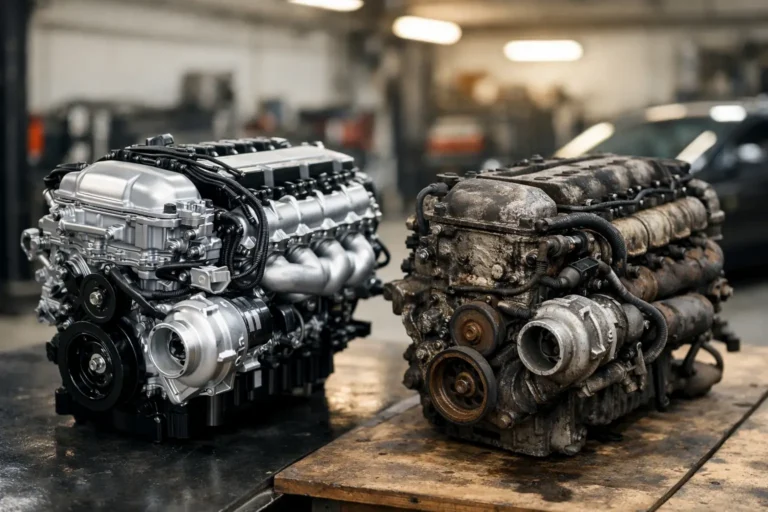
Use quality fluids, inspect used engines before installation, replace inexpensive wear items while the engine is accessible, and verify sensors and wiring before the engine goes into the vehicle. If you are using a used engine, consider checking compression, leak-down, oil pressure, cooling-system condition, and obvious signs of internal damage before spending heavily on installation parts.
The tune also matters. An LS engine needs the correct calibration for its injectors, throttle system, camshaft, airflow, fuel system, transmission, and other modifications. A poor tune can create drivability problems even when the mechanical installation is excellent. Factory documentation and professional installation guides can also help; Chevrolet Performance maintains dedicated installation guides for multiple LS-series crate engines and EFI systems.
Are LS Engine Swaps Legal?
The answer depends on where the vehicle is registered, how it is used, the vehicle’s model year, and exactly what modifications are made. There is no universal rule that says every LS swap is automatically legal or automatically illegal.
The biggest issue for street-driven vehicles is emissions compliance. Federal law restricts tampering with vehicle emissions controls, and EPA guidance continues to address engine switching and modifications that can affect certified emissions configurations.
California has particularly specific rules. The California Bureau of Automotive Repair explains that an engine change is different from an engine replacement and states that vehicles with engine changes must pass an initial inspection at a BAR Referee Center, with a referee label applied after approval. California’s guidelines also focus on maintaining the effectiveness of the vehicle’s emissions-control system.
For any street-driven LS swap, research your state’s requirements before purchasing the engine. An engine that is mechanically perfect may still create registration or inspection problems if the emissions configuration does not comply with local requirements.
Common LS Swap Mistakes to Avoid
The biggest mistake is buying an engine before deciding what the finished vehicle needs. Builders often find a cheap LS online and think they have saved money, only to discover that the engine has an incompatible reluctor wheel, damaged accessories, missing sensors, unsuitable oil pan, incompatible ECU, or a transmission that does not fit the intended application.
Another common mistake is underestimating the supporting systems. The engine may be capable of producing 500 horsepower, but that does not mean the original fuel system, cooling system, transmission, rear axle, brakes, or tires can safely support it.
A third mistake is treating wiring as an afterthought. Modern fuel injection depends on sensors, ECU communication, grounds, power supplies, and correct calibration. Cutting corners here can turn a promising project into a frustrating troubleshooting exercise.
Finally, do not ignore legal requirements. Removing catalytic converters or disabling emissions controls can create legal problems for road vehicles. EPA continues to enforce Clean Air Act provisions against defeat devices and emissions tampering, including enforcement actions involving aftermarket products.
Step-by-Step LS Swap Planning Checklist
The smartest way to approach an LS swap is to plan the project on paper before purchasing major components. Start with the vehicle and define the intended use. Then select the engine based on the desired power level, available budget, physical dimensions, electronics, transmission compatibility, and emissions requirements.
Once the engine is selected, choose the transmission and determine the final driveline layout. From there, work outward: mounts, oil pan, cooling system, fuel system, wiring, exhaust, driveshaft, rear axle, brakes, suspension, and accessories.
A practical planning sequence looks like this:
Choose the vehicle and intended use.
Set a realistic horsepower target.
Select the LS engine.
Select the transmission.
Confirm engine and transmission fitment.
Choose mounts and oil pan.
Plan the fuel system.
Plan ECU and wiring.
Design the cooling system.
Plan headers and exhaust.
Measure and order the driveshaft.
Upgrade drivetrain, brakes, suspension, and tires as needed.
Verify emissions and registration requirements.
Test and tune the finished vehicle.
This process may look slower than buying parts immediately, but it can save enormous amounts of money. The goal is to build the vehicle once instead of repeatedly buying parts because earlier decisions created compatibility problems.
Conclusion: Is an LS Swap Worth It?
For many builders, the answer is yes. An LS engine swap offers an unusual combination of power, compact packaging, parts availability, factory technology, and aftermarket support. Whether you choose a budget 5.3L, a durable 6.0L LQ4/LQ9, or a performance-oriented LS3, the platform gives you a huge number of ways to build the vehicle you want.
But the engine is only the beginning. A successful LS swap is a complete engineering project involving the transmission, mounts, oil pan, fuel system, ECU, wiring, cooling, exhaust, driveshaft, rear axle, brakes, suspension, and legal requirements. Chevrolet Performance continues to support the LS platform with current crate-engine offerings, transmission packages, and installation documentation, which helps explain why the architecture remains relevant for modern custom builds.
The best advice is simple: choose the entire combination before buying the first major part. Know the horsepower target. Know the transmission. Know the engine position. Know how the fuel and cooling systems will work. Know what your local laws require. Once those decisions are made, an LS swap stops being a pile of random parts and becomes what it should be—a carefully planned performance system.
Frequently Asked Questions About LS Engine Swaps
1. What is the best LS engine for a swap?
There is no single best LS engine for every vehicle. A 5.3L can be an excellent budget choice, while an LQ4 or LQ9 can provide a strong 6.0L foundation. The LS3 is attractive when you want modern Gen IV architecture and strong factory performance.
2. How much horsepower can an LS engine make?
It depends heavily on the specific engine, internal components, modifications, fuel system, tuning, and whether the engine is naturally aspirated or boosted. Current Chevrolet Performance LS3 offerings range from 430 horsepower in one factory configuration to performance versions exceeding 500 horsepower, while the LSX family includes substantially higher-output crate combinations.
3. Can you put an LS engine in any car?
Not literally. An LS can be adapted to a very wide range of vehicles, but physical dimensions, steering clearance, engine mounts, transmission tunnel space, oil-pan clearance, wiring, fuel delivery, and driveline requirements determine whether a particular swap is practical.
4. Is an LS swap expensive?
It can be. The final cost depends on whether you use a used or crate engine, what transmission you choose, how much fabrication is required, and how many supporting systems need upgrading. The engine price alone does not represent the total project cost.
5. Are LS engine swaps legal?
They can be, but legality depends on the vehicle, location, emissions configuration, and intended use. Street-driven vehicles may be subject to federal, state, and local emissions requirements. California, for example, has specific engine-change procedures and referee inspections.