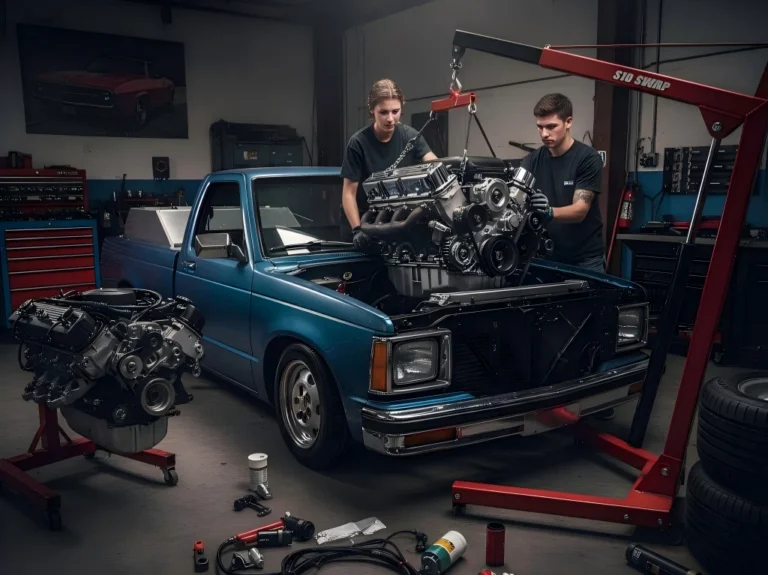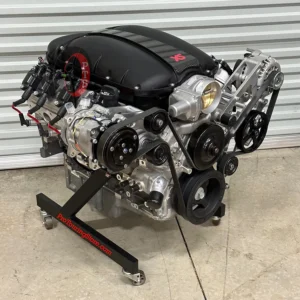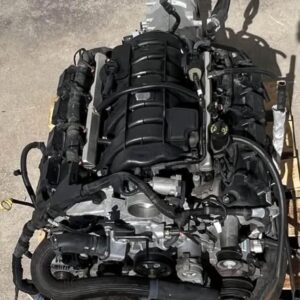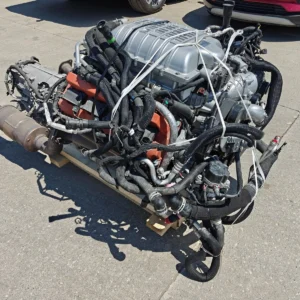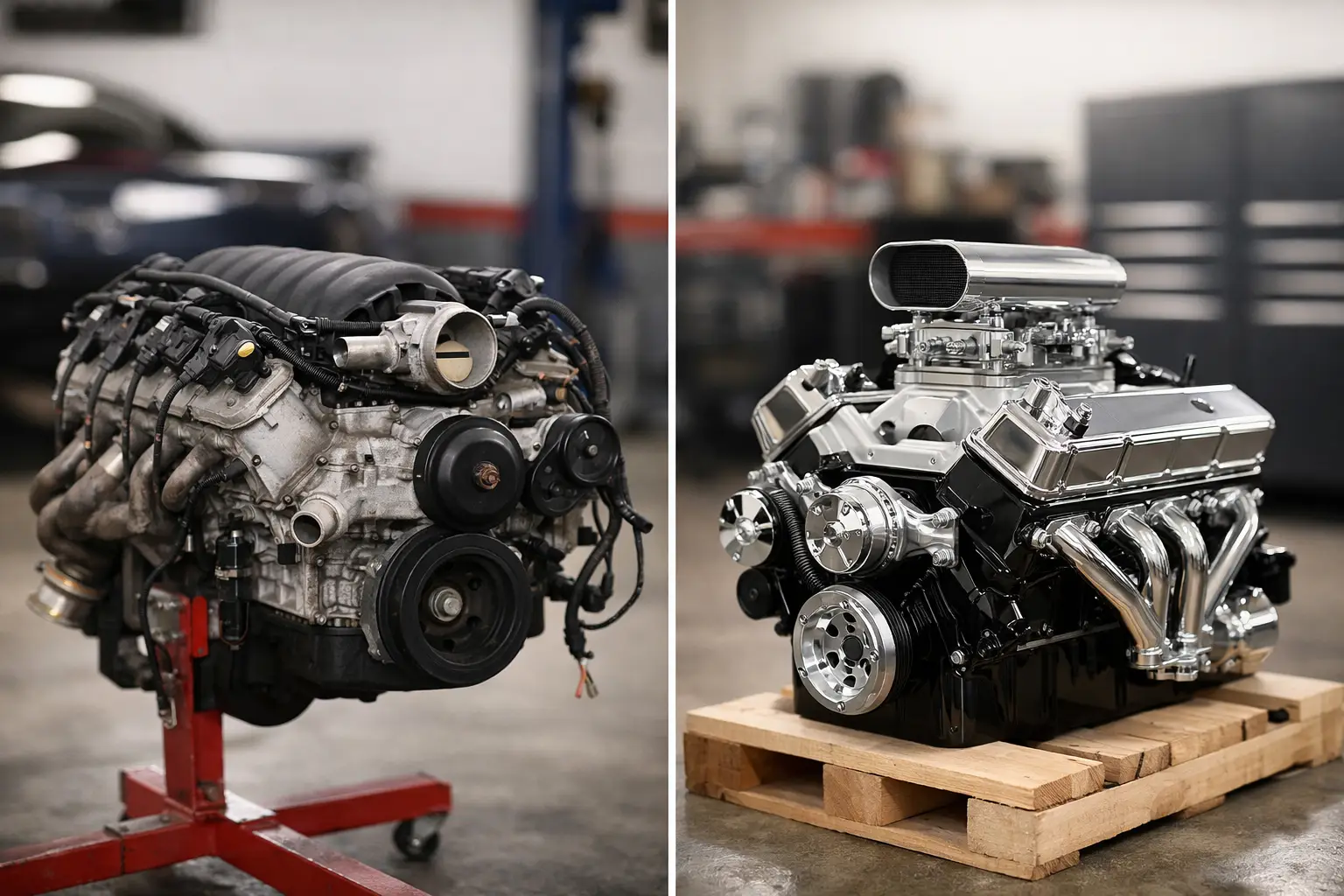
A cheap engine is not always a cheap swap. The $1,500 pullout that looks like a score can turn into a stalled project once you add a harness, ECU, accessories, oil pan, mounts, transmission parts, and the small pieces nobody remembers until the car is sitting on jack stands. That is why the LS swap versus crate engine decision comes down to more than horsepower. It comes down to what your build needs, how fast you need it running, and how much work you are ready to take on.
LS Swap Versus Crate Engine: Know the Difference
First, clear up the terminology. An LS is a GM V8 engine family. A crate engine is a way an engine is sold. That means an LS can absolutely be a crate engine, but not every LS swap starts with a new crate motor.
An LS swap usually means installing a GM LS-based engine into a vehicle that did not originally use that drivetrain, or replacing an older engine with a more modern LS setup. Your starting point could be a used truck pullout, a lower-mileage complete dropout, a remanufactured engine, or a performance-built LS package. The appeal is flexibility. You can match the engine to your budget, vehicle, power goal, and transmission plan.
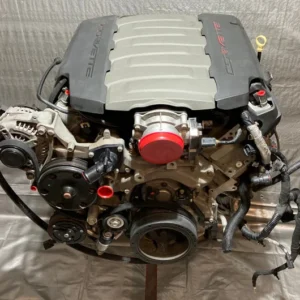
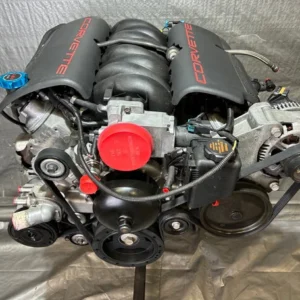
A crate engine generally arrives as a new engine assembly, often built to a specific horsepower level and configuration. Some are long blocks with the rotating assembly and cylinder heads installed. Others are complete packages with intake components, ignition parts, accessories, electronics, or even a matched transmission. The exact contents matter. Never assume a crate engine is ready to fire just because it arrives in a crate.
The better question is not whether LS swaps or crate engines are better. It is whether a used or replacement LS package, a fresh crate setup, or a complete engine-and-transmission combination is the smarter answer for your vehicle.
When an LS Swap Is the Better Move
An LS swap makes sense when value, availability, and adaptability are at the top of your list. GM truck engines are popular for a reason. They are plentiful, make solid torque, respond well to upgrades, and fit an enormous range of cars and trucks with the right swap components.
For a square-body Chevy, C10, older Camaro, Chevelle, Jeep project, or budget street truck, a 4.8L, 5.3L, 6.0L, or 6.2L LS-based engine can give you modern drivability without chasing rare old-school parts. A stock 5.3L may not have the bragging rights of a big-cube crate motor, but it can make a tired project feel completely different while leaving room in the budget for suspension, brakes, fuel-system upgrades, and paint.
A complete used dropout package can be especially attractive. If the engine, transmission, harness, ECU, accessories, and related components come from the same donor, you spend less time trying to make unrelated parts communicate. For shops, that can mean fewer surprises during installation. For DIY builders, it means a clearer path from delivery day to first start.
There is also room to build as you go. Start with a dependable naturally aspirated truck LS, get the vehicle driving, then add a camshaft, headers, intake improvements, tuning, or boost later. That staged approach works well when the project budget is real-world money, not internet-comment money.
When a Crate Engine Earns Its Price
A crate engine is often the right call when downtime is expensive or when you want a known starting point. If you are replacing a failed engine in a customer vehicle, finishing a high-end restoration, or building a street car where every part needs to be fresh, a new crate engine removes several unknowns.
Used engines have histories. Even lower-mileage takeouts should be evaluated for compression, leak-down condition, oil pressure, wiring damage, accessory condition, and evidence of poor maintenance. A quality used package can be an excellent purchase, but it is still a used package. A crate engine brings new components, a defined build specification, and often a manufacturer-backed warranty structure.
Crate power also makes sense when your performance target is specific. If you want a certain horsepower range, forged internals, a hydraulic roller cam, aftermarket heads, or boost-ready strength from day one, building a used engine to that level can close the price gap quickly. Buying a purpose-built engine may cost more up front, but it can prevent you from paying twice for parts and labor later.
The catch is that crate engines can create false confidence. A new long block does not solve fuel delivery, cooling, exhaust routing, driveshaft length, transmission control, gauges, electronics, or vehicle fitment. If your goal is a fast, clean install, look beyond the engine itself and consider how complete the package really is.
Compare the Full Cost, Not the Engine Price
The lowest listed price rarely tells the full story. A used LS can cost less than a crate engine by thousands, but the total investment depends on what comes with it and what your chassis needs.
With an LS swap, budget for the engine, transmission if needed, ECU and harness, pedal or throttle setup, fuel pump and lines, mounts, oil pan, exhaust, cooling system, accessory drive, tuning, and driveshaft work. Older vehicles may also need upgraded brakes, a stronger rear end, or suspension changes to handle the new power responsibly.
With a crate engine, you may spend more on the powerplant while saving on rebuilding, machine-shop work, and uncertainty. But you still need to verify whether the package includes a controller, harness, sensors, flywheel or flexplate, starter, intake, throttle body, and front accessory drive. Those items add up fast when they are purchased one at a time.
This is where an engine-and-transmission package can be the sweet spot. A matched powertrain reduces compatibility questions and gives you a more complete foundation for the build. At Swap Engine Vault, buyers can compare swap-ready engines, lower-mileage takeouts, replacement engines, and transmission-paired packages without hunting through scattered listings for every major component.
Fitment and Wiring Can Decide the Build
An engine may fit between the frame rails and still be the wrong choice. Oil-pan clearance, steering linkage, front crossmember position, hood clearance, accessory spacing, exhaust routing, and transmission tunnel room all matter. Truck accessories can be convenient and affordable, but they sometimes sit too wide or too high for certain car swaps. A Corvette-style accessory drive or a swap-specific setup may solve the problem, but it changes the budget.
Wiring is another major divider. A drive-by-cable LS setup can be simpler for some older builds, while drive-by-wire systems offer excellent drivability and are common on later engines. Either can work well when the harness, ECU, throttle pedal, sensors, and tune are matched correctly. The trouble starts when builders mix parts from different generations without a clear plan.
For a replacement job, staying close to the original vehicle configuration is usually the quickest route. For a custom build, choose the engine package after confirming mounts, pan, headers, controller, and transmission support are available for your chassis. That homework saves more money than chasing the cheapest engine listing.
Choose the Engine That Matches the Job
Pick an LS swap when you want maximum value, broad aftermarket support, and the freedom to build in stages. It is hard to beat a well-chosen 5.3L or 6.0L package for a driver, work truck, budget muscle car, or weekend project. A complete pullout with its matching transmission can turn a complicated parts hunt into a manageable install.
Choose a crate engine when new parts, known specifications, and a defined power target matter more than the lowest initial price. It is a strong option for premium builds, serious performance plans, and situations where a rebuild delay could cost more than the engine itself.
Before you buy, write down the vehicle, intended transmission, power goal, emissions requirements, accessory layout, and deadline. Then buy the most complete engine package that fits those answers. Your build will move faster when the powertrain arrives ready to solve problems instead of creating a new list of them.