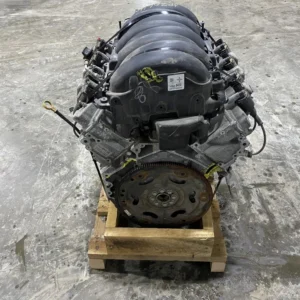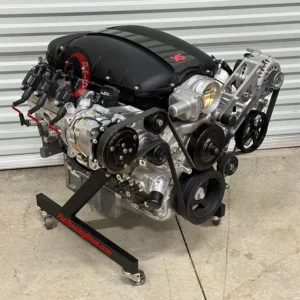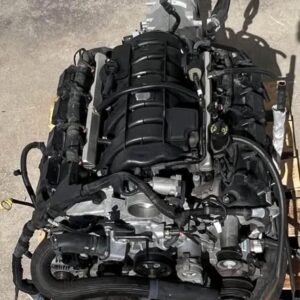
A BMW with a bad engine can look like a dead-end repair until you price the right replacement powertrain. The real win is not finding the cheapest used engine. It is getting the correct engine family, electronics, accessories, and drivetrain match the first time. This BMW engine replacement guide is built for owners, DIY builders, and repair shops that want to stop chasing parts and start putting a BMW back on the road.
BMW Engine Replacement Guide: Start With Fitment
BMW fitment is more specific than the badge on the trunk. Two 3 Series models can use different engines, wiring, oil pans, turbo systems, and computers depending on model year, drivetrain, emissions package, and market configuration. Ordering an engine because it came from a similar-looking BMW is how a straightforward replacement turns into a stalled project.
Start with the vehicle identification number, then confirm the original engine code. BMW engine families such as N52, N54, N55, N20, B48, B58, and the various M engines have major differences even when displacement appears similar. An N20 2.0-liter turbo is not a substitute for a B48 simply because both came in four-cylinder BMW applications. The mounting points, wiring architecture, control modules, fuel systems, and programming requirements can be completely different.
Also verify whether the vehicle is rear-wheel drive, xDrive all-wheel drive, manual, or automatic. An xDrive engine may carry a different oil pan configuration to clear the front differential and axle hardware. A replacement long block can sometimes be adapted, but that is a different purchase decision than a direct-fit package.
Before committing to an engine, have these details ready:
- Full VIN and exact model year
- Original engine code and displacement
- Rear-wheel-drive or xDrive configuration
- Transmission type and transmission code
- Turbocharged, naturally aspirated, hybrid, or M-specific application
- Whether you need a long block, complete engine, or engine-and-transmission package
That information gives you a real fitment starting point. It also makes it easier to compare inventory without guessing.
Choose the Right Replacement Level
A bare engine, long block, complete engine, and full dropout package are not the same thing. The right choice depends on what failed, what parts you can reuse, and how quickly the vehicle needs to move under its own power.
A bare engine is generally the core assembly without the accessories and external components needed for installation. It can make sense for a builder with a fully equipped shop and a known set of usable parts. For most replacement jobs, it creates more work than savings.
A long block typically includes the assembled block, rotating assembly, cylinder head, and valvetrain. It is a solid answer when the original BMW suffered internal damage but its intake, turbocharger, fuel system, harness, and accessories are still serviceable. The trade-off is that every transferred component needs to be inspected. Reusing a failing turbo, cracked valve cover, damaged injector, or contaminated oil cooler can put the new engine at risk.
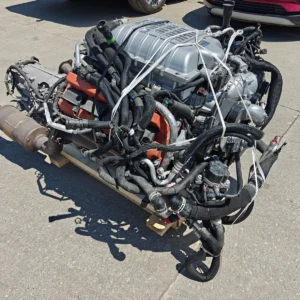
A complete engine is usually the better route for time-sensitive repairs. Depending on the package, it may include intake components, turbos, manifolds, fuel equipment, wiring, and accessories. Always confirm exactly what is included. “Complete” does not mean the same thing across every supplier or donor vehicle.
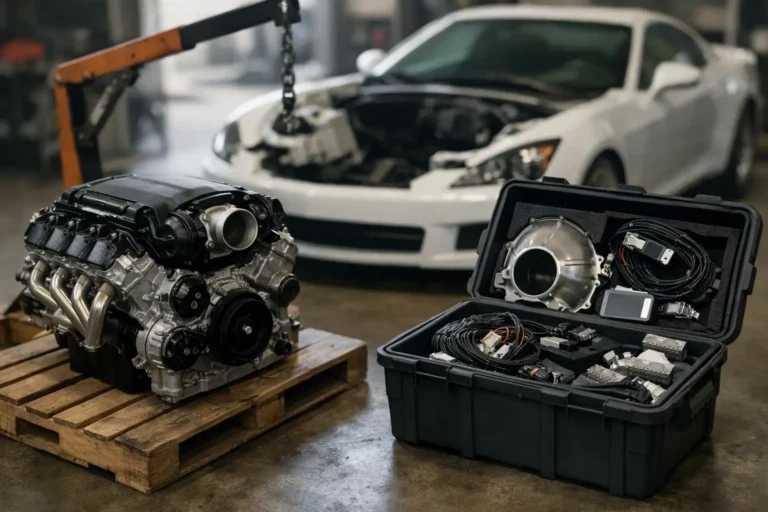
For a major drivetrain failure, an engine-and-transmission package or complete dropout can be the strongest value. You get matched components from the same donor, which can reduce the number of unknowns in a high-mileage or collision-repair build. It is especially useful when the transmission has questionable history, the vehicle has been sitting, or the project is already apart. Swap Engine Vault focuses on these kinds of complete powertrain options because one matched package can save weeks of searching for separate pieces.
Mileage Matters, but History Matters More
Lower mileage is a strong buying signal, but it is not the entire story. A 60,000-mile engine that sat exposed or was pulled after a severe front-end impact may need more attention than a clean 90,000-mile assembly from a running donor. Look for clear mileage disclosure, donor application information, and photos that let you assess the engine’s condition.
Ask practical questions about compression or leak-down results when available, oil condition, visible damage, and whether the engine was run before removal. On turbo BMW engines, inspect the turbochargers, charge pipes, oil feed lines, and cooling system components closely. On naturally aspirated engines, common leak points, cooling-system condition, valve cover condition, and oil filter housing areas deserve attention.
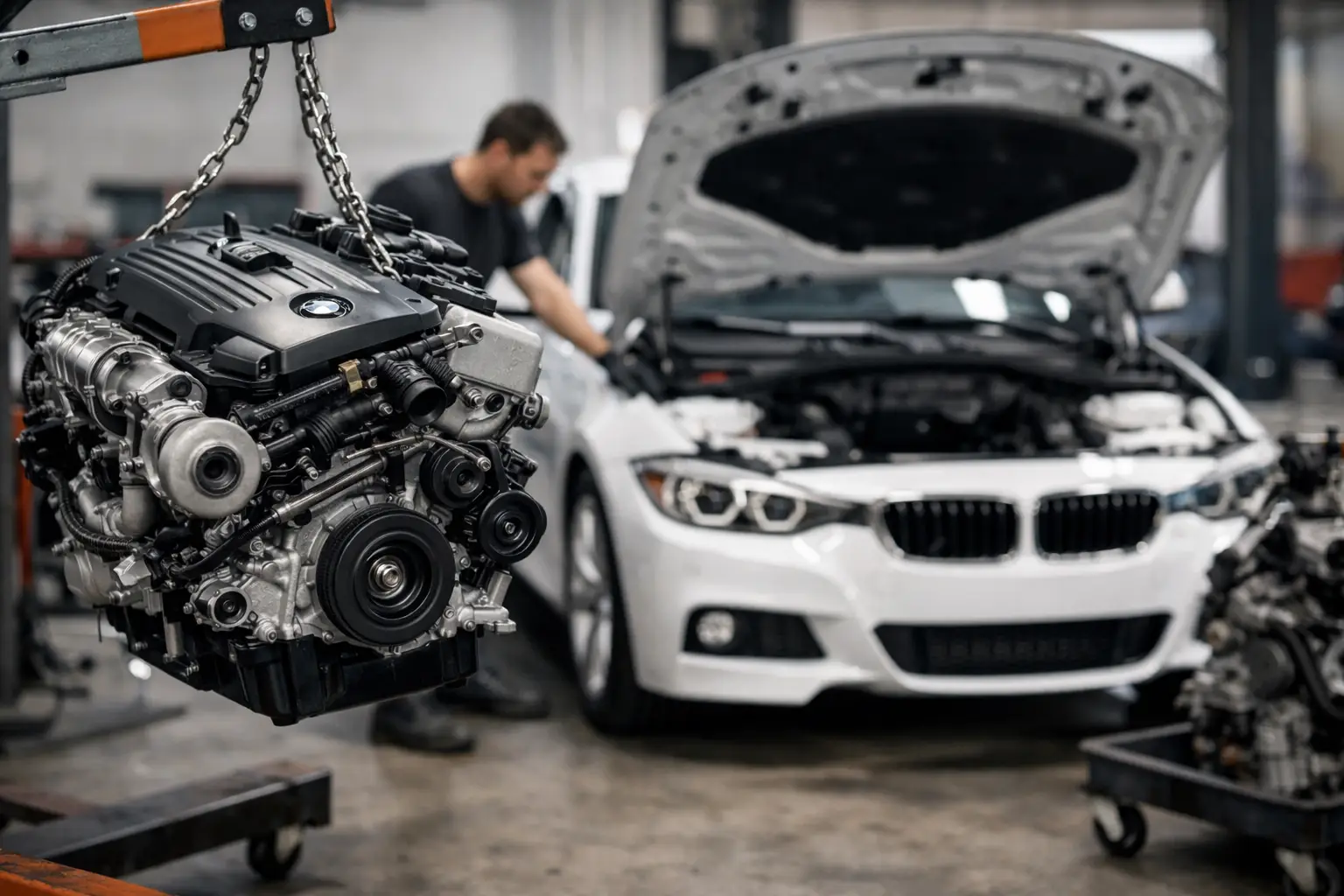
If an engine is out of the vehicle, this is the right time to handle maintenance items that are labor-heavy once it is installed. Rear main seals, engine mounts, water pumps, thermostats, belts, tensioners, spark plugs, valve cover gaskets, and oil pan gaskets are common examples. The exact list depends on the BMW engine family, but the principle stays the same: do the accessible work now, not after the drivetrain is back in the car.
Electronics Can Make or Break the Swap
Mechanical fitment gets the engine into the bay. Electronics make it run correctly.
Modern BMWs rely on the DME or ECU, immobilizer system, key data, sensor compatibility, injector coding, and module programming. In some applications, the replacement engine can retain the original vehicle’s DME and wiring harness, provided the engine code and sensor setup match. In others, you may need donor modules, professional programming, or component adaptation.
Do not assume an engine includes the computer, and do not assume a donor computer will start your car with your existing key. Earlier BMWs may involve EWS alignment, while later platforms can require more involved immobilizer and module synchronization. Direct-injection engines may also need injector calibration values entered into the vehicle computer.
The smart approach is to keep your original harness, modules, and sensors where they are known to be compatible and in good condition. If you are buying a package for a swap project rather than a stock replacement, budget for standalone controls or BMW-capable programming tools from the beginning. Electronics are not an afterthought on these cars.
Protect the New Engine During Installation
A replacement engine can fail early if the original problem is still sitting elsewhere in the vehicle. If the old engine failed from overheating, identify why. A bad water pump, thermostat, radiator, fan issue, blocked passage, or combustion leak must be fixed before the new engine sees operating temperature.
If there was bearing failure or metal contamination, flush or replace the oil cooler, lines, and related components as appropriate for the platform. On turbocharged BMWs, inspect the intake tract and intercooler for oil or debris. A damaged catalyst, restricted exhaust, failing high-pressure fuel pump, or weak injectors can also create issues that look like an engine problem after installation.
Use the correct fluids, prime the oil system according to the engine’s service procedure, and follow the specified bleeding procedure for the cooling system. BMW cooling systems can trap air, and an incomplete bleed can lead to overheating warnings, poor heater performance, or much worse. Once the engine is running, scan for faults, verify oil pressure and coolant temperature, and check for leaks before the first serious road test.
Know When Replacement Beats Rebuilding
Rebuilding your original engine can be the right move when you own a rare M car, have a numbers-matching restoration goal, or need a custom forged build for high horsepower. It gives you control over every internal part, but machine-shop timelines, parts availability, and labor costs can climb fast.
A replacement engine often wins when the vehicle needs to be back on the road quickly, the original block is damaged, or a lower-mileage complete package offers a cleaner path. For many daily drivers and shop customers, a properly matched used or remanufactured engine is the practical answer. For an enthusiast build, moving to a stronger compatible engine family can make sense, but only after the wiring, transmission, fuel system, emissions equipment, and local regulations have been considered.
A BMW engine replacement is a purchase where details pay off. Get the engine code, drivetrain layout, electronics plan, and package contents confirmed before money changes hands. Then use the time while the engine is out to replace the parts that would be painful to reach later. That is how a major repair becomes a confident restart instead of another car sitting on stands.