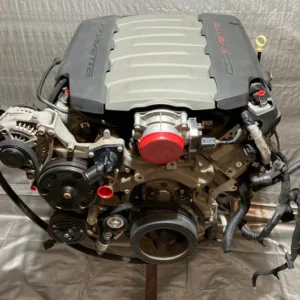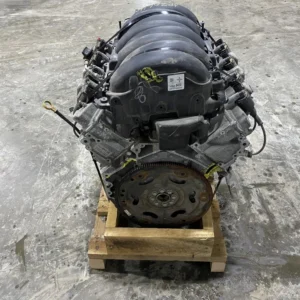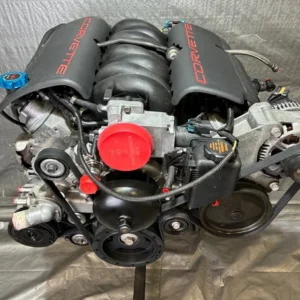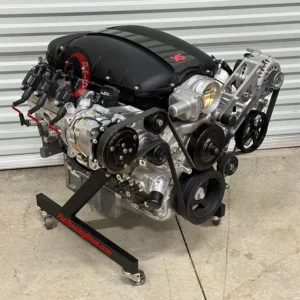
A blown engine can turn a dependable truck, daily driver, or project build into an expensive problem fast. The good news: are used engines reliable? They absolutely can be – when you buy the right unit, verify what you are getting, and install it correctly. A quality used engine is often one of the smartest ways to get back on the road or put serious power into a build without paying new-engine money.
The key is not treating every used engine like the same product. A 62,000-mile truck pullout with documented compression results is a very different purchase from an unknown engine sitting on a pallet with no application details, no inspection information, and no clear history. Reliability comes down to sourcing, condition, fitment, and the work done before the first startup.
Are Used Engines Reliable for Daily Drivers and Builds?
A used engine can deliver years of reliable service. Factory engines are built to run well beyond 100,000 miles when they receive regular oil changes, proper cooling, and basic maintenance. That means a lower-mileage engine from a compatible vehicle may have plenty of life left, even if the original engine in your car or truck failed.
For a daily driver, the goal is simple: find a direct-fit replacement with reasonable mileage, matching electronics, and a clear application. For an LS swap, muscle car build, or off-road truck, reliability also depends on whether the engine package matches the power goal and supporting parts. An engine that is reliable at stock power can become far less forgiving after boost, aggressive tuning, or repeated high-RPM use.
Used does not mean worn out. It means the engine has a history. Your job is to make that history as clear as possible before it goes in your vehicle.
What Makes One Used Engine a Better Buy Than Another?
Mileage matters, but it is not the whole story. An engine with 90,000 highway miles and consistent maintenance can be a better bet than a 45,000-mile engine that overheated, ran low on oil, or sat exposed to moisture. Lower mileage is still a major advantage because it usually means less internal wear, but it should be paired with condition details and proper identification.
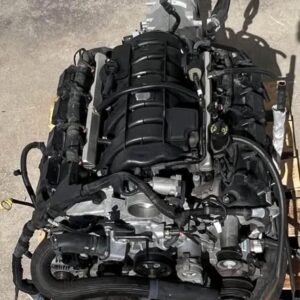
The strongest used-engine purchases typically have a known donor application, visible mileage, and inspection or testing information. Knowing whether an engine came from a two-wheel-drive Silverado, a four-wheel-drive Ram, a Mustang, or a BMW sedan helps prevent fitment surprises. Engine code, VIN information, casting numbers, sensor setup, oil pan configuration, and accessory layout can all affect whether the package works for your job.
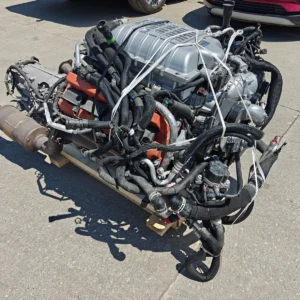
A complete dropout or engine-and-transmission package can add another layer of confidence for replacement work and swaps. Keeping the engine, transmission, harness, accessories, and related components together reduces the number of compatibility questions you have to solve after delivery. It is not always necessary, but it can save major time when the goal is to get a vehicle running instead of chasing parts.
Inspection and Testing Tell You More Than a Clean Exterior
A clean valve cover does not prove an engine is healthy. Before buying, look for evidence that the unit was evaluated beyond a quick visual check. Depending on the seller and engine type, useful information can include compression readings, leak-down results, oil condition, run-test notes, photos of the actual engine, and a description of any included components.
Compression and leak-down testing help reveal the condition of the cylinders, rings, valves, and head sealing. They are not the only measures of engine health, but they offer much more value than a vague claim that an engine is “good.” If an engine has been run before removal, that is helpful. If it cannot be run, detailed inspection, source information, and warranty coverage become even more important.
Pay attention to signs of trouble such as heavy sludge, coolant contamination in the oil, broken mounting ears, damaged connectors, cracked manifolds, missing sensors, or obvious impact damage. These issues do not automatically make an engine unusable, but they change the real cost and amount of work required.
Fitment Can Make or Break Used Engine Reliability
Many engine failures blamed on a used motor are actually installation or compatibility failures. Wrong wiring, an incompatible ECU, a neglected cooling system, a failing fuel pump, or a bad tune can destroy an otherwise healthy engine.
For a direct replacement, verify the exact year range, engine code, emissions equipment, drivetrain configuration, and required sensors. A long block may fit physically but still require you to transfer intake components, manifolds, accessories, oil pan parts, or electronics from the original engine. Ask what is included rather than assuming every component shown in a photo comes with the purchase.
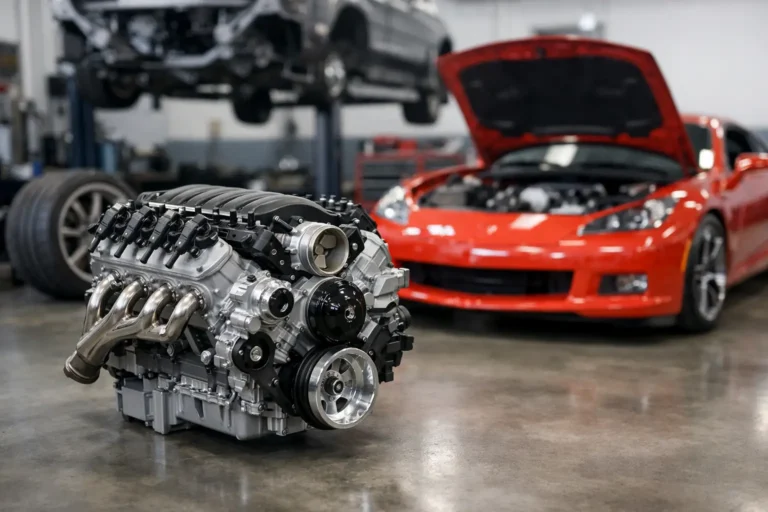
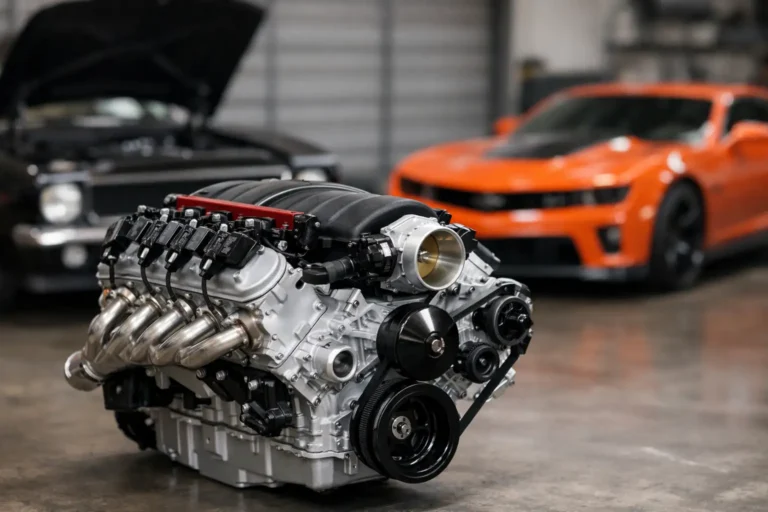
For swaps, plan the whole combination. An LS engine may be a proven choice, but the engine alone does not create a reliable swap. You still need the right oil pan, mounts, accessory drive, cooling setup, wiring harness, ECU, fuel system, exhaust clearance, transmission solution, and calibration. A complete package can simplify that path, especially when you want the engine and transmission to work together from day one.
The Installation Work Matters Just as Much
Do not drop a used engine into a vehicle and expect it to compensate for old supporting parts. This is the moment to handle the service items that are difficult to reach once the engine is installed. Replace worn seals and gaskets, inspect hoses, address weak motor mounts, and make sure the cooling and fuel systems are clean and capable.
Before startup, prime the oil system when appropriate, use the correct oil and filter, fill the cooling system properly, and verify electrical grounds. On electronically controlled engines, use a calibration that matches the engine, injectors, airflow setup, and fuel type. A poor tune can create detonation, run the engine lean, or cause transmission problems that have nothing to do with the condition of the used powertrain.
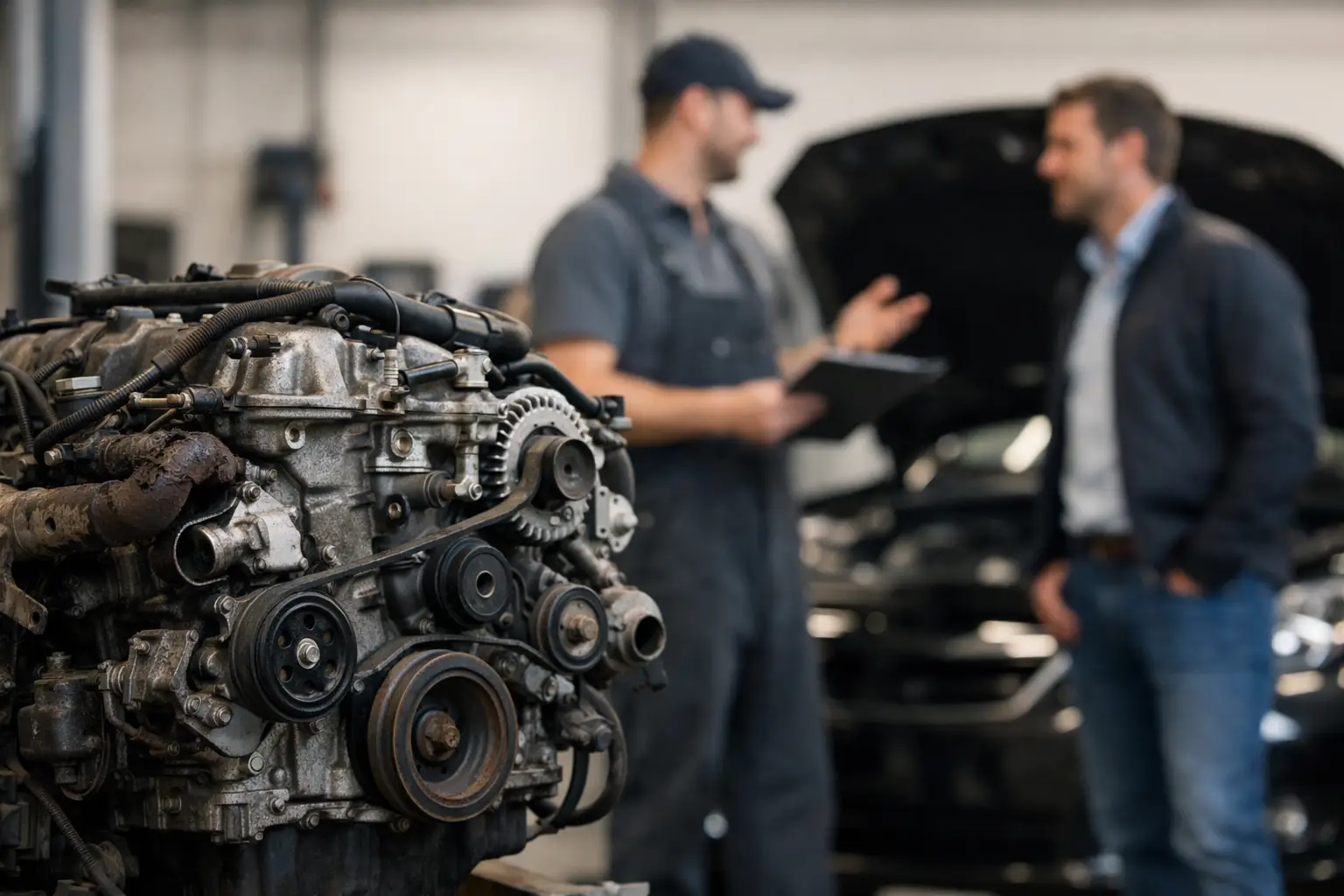
Independent shops should build these checks into their estimate. DIY builders should build them into the budget. Saving money on the engine only helps if you avoid reinstalling old parts that can take out the replacement.
A Smart Buyer Checklist Before You Commit
Use these questions to separate a dependable replacement from a costly unknown:
- Is the engine identification and donor vehicle application clearly stated?
- Is the mileage listed, and is there any condition or testing information available?
- What parts are included: long block, accessories, intake, harness, ECU, transmission, or transfer case?
- Does the package match your vehicle’s drivetrain, emissions requirements, and electronics?
- What warranty terms apply, and what installation steps are required to keep that coverage valid?
Warranty terms deserve real attention. Read what is covered, how long coverage lasts, and whether the seller requires documented professional installation or replacement of certain external components. A warranty is not a substitute for inspection, but it is a meaningful signal that the seller stands behind the product and has a process for resolving problems.
When a Used Engine May Not Be the Right Move
Used engines are not the automatic answer for every vehicle. If you need zero-mile components, a specific horsepower target, upgraded internals, or a long-term commercial-duty solution, a remanufactured or new crate engine may be the better fit. A used unit also may not make sense if local labor costs are extremely high and you cannot verify the engine’s condition well enough to justify a second installation risk.
But for many replacement jobs, budget builds, truck rebuilds, and swap projects, a used engine delivers serious value. The right low-mileage pullout can keep a solid vehicle alive, make an older platform exciting again, or give a builder a proven factory foundation for the next phase of a project.
At Swap Engine Vault, the smarter move is to shop the whole package, not just the headline price. Match the engine to the vehicle, confirm what comes with it, and leave room in the budget for the install details that protect your investment. Buy with clear information, prep it right, and let that used powertrain earn its place under the hood.