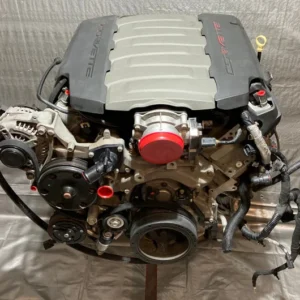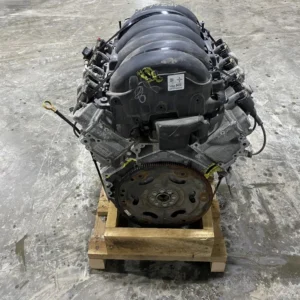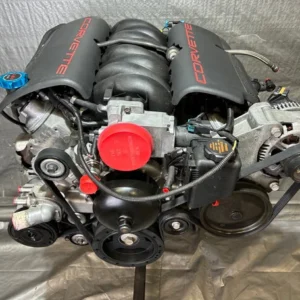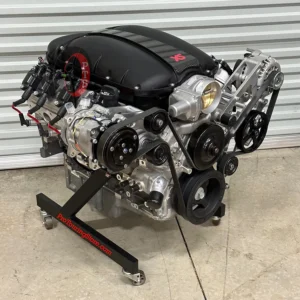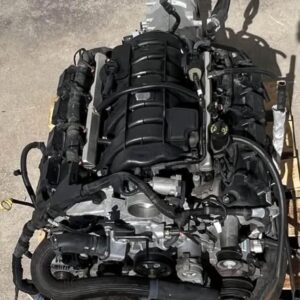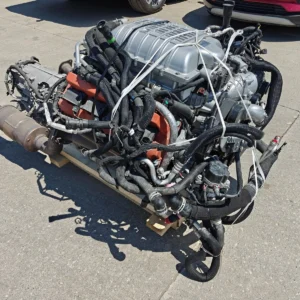
A 6.0L truck engine listed at 92,000 miles and another listed at 162,000 miles can look nearly identical in photos. The lower-mile unit may be the better buy, but only if the mileage is real, the engine was maintained, and the package fits your project. So, what does engine mileage mean when you are shopping for a replacement motor, LS swap, or complete drivetrain package?
It is a useful starting point, not a complete verdict on engine condition. Mileage helps you estimate wear, compare inventory, plan maintenance, and price an engine realistically. It does not tell you everything about how that engine was driven, serviced, stored, or removed. Smart buyers use mileage as one part of the decision, then match it with engine history, application, compression or inspection information when available, and the parts needed to make the install happen.
What Does Engine Mileage Mean on an Engine Listing?
Engine mileage usually refers to the odometer reading of the donor vehicle when the engine was removed. If a listing says a 5.3L LS engine has 110,000 miles, that generally means the truck it came from showed about 110,000 miles at teardown or dismantling.
That number matters because internal parts wear over time. Pistons, rings, bearings, timing components, valve train parts, seals, and accessories all experience heat cycles and operating hours. In broad terms, fewer miles can mean more service life left before major work is needed.
But there is an important catch: vehicle mileage is not always the same thing as verified engine mileage. The original engine could have been replaced earlier in the vehicle’s life. A used engine could also have sat for a long period, or it may have accumulated hard towing, idling, racing, or commercial use that the odometer does not explain. Treat the stated mileage as a valuable data point, not a magic guarantee.
For a standard replacement in a daily-driven Silverado, F-150, Charger, or BMW, lower verified mileage is often worth paying for because it can reduce the amount of preventive work needed before installation. For a performance build that will be torn down for cam, piston, head, or rotating-assembly upgrades, a higher-mile core may make more financial sense.
Why Lower Mileage Usually Costs More
Low-mileage engines command more money for a straightforward reason: buyers expect less internal wear and a longer usable service life. A 60,000-mile 6.2L pullout can be especially attractive when you need to get a truck, SUV, or muscle car back on the road without rebuilding an engine from scratch.
That premium is not always automatic value. A clean 140,000-mile engine with strong maintenance history, no obvious damage, and a solid inspection can be a smarter purchase than a 75,000-mile engine with unknown history, accident damage, missing components, or poor storage conditions.
Think about your goal. If the vehicle is a work truck that needs dependable power quickly, spend for the best complete, correctly matched package your budget allows. If you are building an LS-swapped classic, a drift project, or a boosted street car, your budget may be better directed toward machine work, fueling, cooling, tuning, and supporting parts rather than chasing the lowest number on the odometer.
Mileage Is Not the Same as Condition
An engine earns its condition through its entire life, not just its mileage. Two engines with the same 100,000-mile reading can have very different futures.
A highway-driven engine that received regular oil changes may have minimal cylinder wear and clean internals. Another engine with the same mileage may have spent years idling, towing heavy loads, overheating, or running low on oil. Idle time is especially easy to overlook. An engine can accumulate substantial running hours while adding very few miles to the odometer.
Storage also matters after removal. Engines that are properly drained, protected, and kept dry are far less likely to develop corrosion-related issues than units left exposed to moisture. This is one reason a complete engine package from a focused engine supplier can save time compared with chasing an unknown pull from a scattered marketplace listing.
When available, look beyond the mileage figure for signs that support the listing. Ask whether the engine was run-tested, whether compression or leak-down information exists, whether there is visible oil contamination, and what accessories, wiring, ECU, intake, transmission, or torque converter are included. Details like these turn a mileage number into a more useful buying decision.
How Mileage Affects Replacement Engine Planning
Mileage changes what you should replace before the engine goes in. Even a lower-mile used engine benefits from smart preventive maintenance while it is out of the vehicle. Rear main seals, oil pan gaskets, valve cover gaskets, water pumps, spark plugs, belts, thermostats, and timing components can be far easier to handle on a stand than after the engine is installed.
Higher mileage does not mean an engine is finished. Many modern GM, Ford, Dodge/Ram, and BMW engines can run well past 150,000 miles when they have been cared for. It does mean you should budget more carefully for wear items and be realistic about the project. A 180,000-mile engine may be a strong budget replacement, but it is not priced or positioned like a low-mile, ready-to-install powertrain.
For swap builds, mileage should also influence how aggressively you modify the engine. A mild cam-and-intake setup on a healthy, verified used LS can be a great value. Adding high boost, aggressive RPM, or heavy nitrous to an unknown high-mile engine is a different level of risk. The engine may hold up, but the margin gets thinner as cylinder pressure and stress increase.
Check the Package, Not Just the Motor
A listing can advertise an attractive mileage number, yet still leave you buying major pieces separately. That is where complete packages earn their keep. An engine paired with the correct transmission, harness, ECU, accessory drive, and other application-specific components can eliminate expensive delays and compatibility headaches.
For example, a Gen IV 5.3L with a matching 6L80 transmission may be a stronger value for a modern truck replacement or swap than a cheaper bare engine. The bare engine may require a transmission, converter, control system, sensors, mounts, and accessory parts before it can move the vehicle under its own power.
Fitment matters just as much as mileage. Verify the engine code, model year range, drivetrain configuration, emissions equipment, electronics, oil pan style, and transmission compatibility. A low-mile engine that does not match your vehicle can become an expensive fabrication project fast.
Questions Worth Asking Before You Buy
Before committing to any used engine, get clear answers on the basics. Confirm the stated mileage and how it was documented. Ask whether the engine is complete or long block only, whether it includes the transmission, and whether accessories and electronics shown are included.
You should also understand the engine’s intended application. A 5.7L HEMI, Coyote, LS3, EcoBoost, or BMW turbo engine can have multiple versions with meaningful differences in wiring, fuel systems, sensors, transmission pairings, and mounting. Matching the right version to your exact vehicle or swap plan protects your budget.
Finally, inspect the value equation instead of focusing on the lowest price. Shipping, core charges, missing parts, installation labor, tuning, fluids, gaskets, and any required programming all belong in the real number. The best deal is the engine package that gets your vehicle running correctly with the fewest surprises.
The Right Mileage Depends on the Mission
There is no universal mileage limit where an engine suddenly becomes a bad purchase. A low-mile engine is ideal when reliability, resale value, and minimal downtime lead the priority list. A higher-mile engine can be the right call when the price is aggressive, the condition checks out, and the build budget includes preventive service or a future refresh.
At Swap Engine Vault, the goal is not to make you chase parts across five different sources. It is to help you compare mileage, fitment, and complete powertrain options so you can buy with a plan. Choose the engine that matches the job, inspect the details behind the odometer number, and put your budget where it will keep your build moving forward.