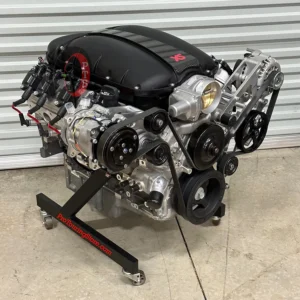
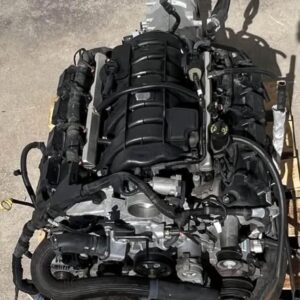
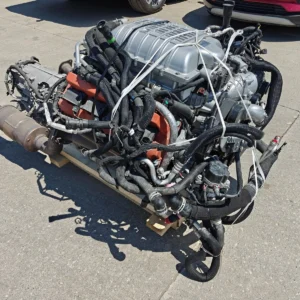
A dead small-block in a work truck, a tired LS in a street car, and a classic Chevrolet waiting on a modern swap all create the same problem: you need power without wasting weeks hunting down mismatched parts. Chevy V8 engine packages cut through that problem by putting the major pieces of your drivetrain purchase in one place. The right package can get a repair moving, shorten a swap timeline, and keep a build from stalling over one missing component.
The key is buying the package that matches the job, not simply the biggest-displacement engine or the lowest advertised price. A complete engine and transmission combination may be the smart move for one build, while a long block or engine-only assembly makes more sense for another. Start with your vehicle, your power goal, and the parts you already have.
Why Chevy V8 Engine Packages Make Sense
A V8 purchase gets expensive and complicated fast when every component comes from a different source. You may find an engine with good mileage, then spend extra time tracking down the correct transmission, torque converter, flexplate, accessories, harness, ECU, mounts, and front-drive pieces. That approach can work, but it puts the fitment burden on you.
A packaged powertrain reduces the number of unknowns. When the engine and transmission were paired in the donor vehicle, you have a much clearer starting point for bellhousing compatibility, converter matching, electronics, and drivetrain layout. For a shop with a customer vehicle on a lift, that can mean less downtime. For a home builder, it means fewer expensive surprises after the engine is already in the bay.
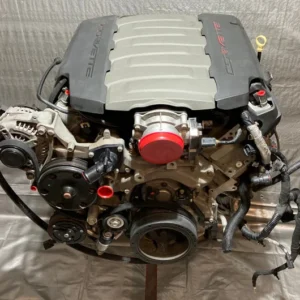
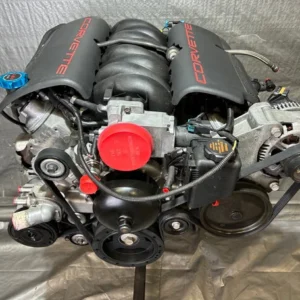
Packages are especially valuable for LS-based swaps. The LS family has huge aftermarket support, but not every LS is the same. Oil pans, accessory drives, throttle controls, computer systems, transmission connectors, and crankshaft reluctor configurations can change what works together. A complete takeout package does not eliminate every swap detail, but it gives you a coordinated foundation instead of a pile of hopeful parts.
Choose the Package Around the Job
The best Chevy V8 is the one that serves the vehicle. Be honest about whether you are restoring a dependable daily driver, rebuilding a tow rig, chasing stronger street performance, or putting a modern drivetrain into an older chassis.
Replacement engines for trucks and daily drivers
For an original-equipment-style replacement, compatibility and condition lead the decision. A 5.3L truck engine can be a practical answer for many Silverado, Tahoe, Suburban, Sierra, and SUV applications. It is common, well-supported, and capable of delivering reliable torque without turning a straightforward repair into a custom project.
Look closely at the model year, VIN code, fuel system, and electronics. A newer direct-injection engine is not automatically an easy replacement for an earlier port-injected truck, even if the displacement sounds familiar. If your goal is getting the vehicle back on the road, an engine package matched to the factory transmission and control system is usually the cleanest path.
Street-performance and muscle car builds
For a street build, the 6.0L and 6.2L platforms earn attention for good reason. They offer more displacement, stronger power potential, and a broad range of aftermarket upgrades. A 6.0L iron-block combination can be a hard-working choice for a heavier car, truck, or boosted project. A 6.2L package may appeal to builders looking for naturally aspirated punch, newer technology, or a higher-performance starting point.
The trade-off is budget and complexity. More power can require upgraded fuel delivery, cooling, brakes, driveshaft components, rear-end gearing, and chassis work. Buying a stronger engine is easy. Building the rest of the vehicle to use that power safely is where the real plan begins.
Classic LS swaps
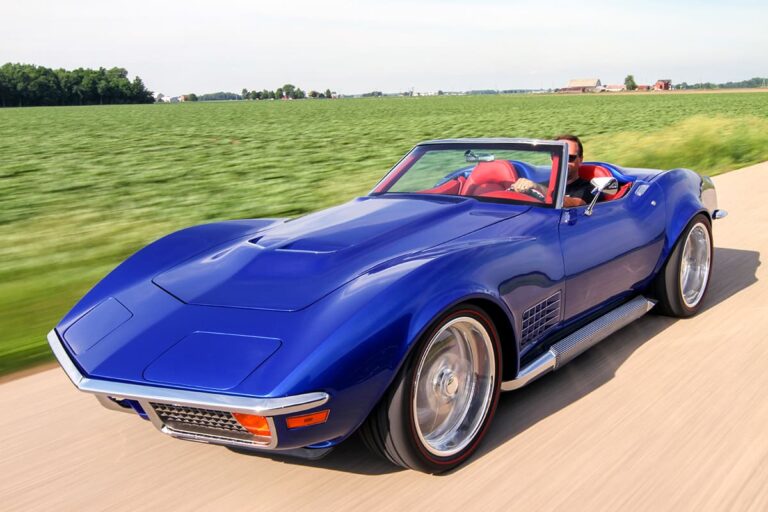
A classic C10, Camaro, Chevelle, Nova, or square-body truck does not care how popular an engine is. It cares whether the engine clears the firewall, the oil pan works with the crossmember, and the transmission fits the tunnel. That is why a swap-ready engine and transmission package often beats an engine alone.
For many builders, a 5.3L with a 4L60E or 4L80E transmission hits the sweet spot. A 4L60E can be a sensible match for moderate-power street builds and lighter vehicles. A 4L80E brings greater strength for heavier applications, towing, hard use, or serious horsepower. It is larger and may require more tunnel clearance, so do not treat it as a drop-in upgrade.
What to Verify Before You Buy
Mileage matters, but it should never be the only number that decides the purchase. A lower-mileage takeout can be appealing, yet vehicle history, compression condition, storage, and the completeness of the package all matter. Ask what is included and compare that answer against your build list.
Before committing to a Chevy V8 package, confirm the engine code and donor application, transmission model, included accessories, wiring harness and ECU status, oil pan configuration, throttle body type, and whether the engine is set up for two-wheel-drive or four-wheel-drive use. These details affect installation cost as much as the purchase price.
Fitment deserves the same attention. Measure the engine bay, transmission tunnel, hood clearance, crossmember location, and driveshaft needs before the package arrives. If you are swapping into a non-GM chassis, factor in mounts, headers, radiator routing, fuel-system changes, gauges, and emissions requirements in your state. A deal stops being a deal when the missing parts list doubles the budget.
Engine-Only, Long Block, or Complete Powertrain?
An engine-only purchase can be the right call when your existing transmission, electronics, and accessories are known-good and already fit your vehicle. It can also work for builders who want maximum freedom to choose every supporting component. Just budget for the details that are not included.
A long block is useful when you are reusing intake components, fuel systems, and external accessories but need a fresh foundation. It is often a good option for a planned build where the supporting parts are already on the shelf.
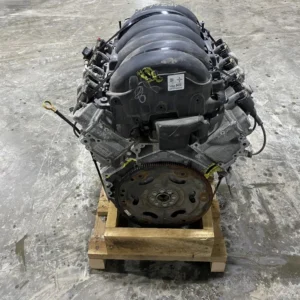
A complete engine-transmission package is usually the strongest convenience play. You get a matched drivetrain core and a clearer path toward installation. For replacement work and time-sensitive projects, that simplicity can outweigh the initial price difference. Swap Engine Vault focuses on this kind of one-stop sourcing because builders should be spending time installing power, not chasing basic drivetrain pieces across multiple listings.
Avoid the Common Package Mistakes
The biggest mistake is buying on horsepower claims alone. Factory ratings are useful, but they do not tell you how the package will fit, what electronics it needs, or whether the transmission will survive your intended use. A modest engine that installs cleanly and runs reliably can beat a high-output combination that drains the budget before first startup.
Another mistake is overlooking the control system. Drive-by-wire engines need compatible pedals, wiring, ECU calibration, and often security-system changes. Direct-injection packages may require specific high-pressure fuel components. Older carbureted builds may need a different approach entirely. Plan the fuel and electronics strategy before the engine purchase, not after it is hanging from the hoist.
Finally, do not assume every used engine package is turnkey. “Complete” can mean different things across the market. Read the included-components description closely and make a written checklist of what you still need. That simple step keeps your build organized and protects your timeline.
Build for the Drive You Want
Chevy V8 power is not one-size-fits-all. A reliable 5.3L replacement, a torque-rich 6.0L truck setup, and a 6.2L performance package can all be the right answer in different vehicles. Match the package to your chassis, transmission needs, budget, and realistic power target, then verify every major fitment detail before checkout.
The best package is the one that arrives with your next move already clear: install it, connect it, and get your ride back where it belongs – on the road.