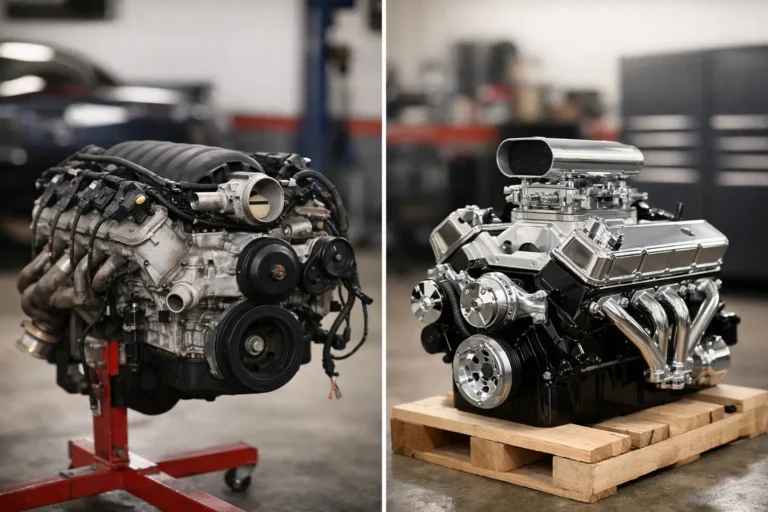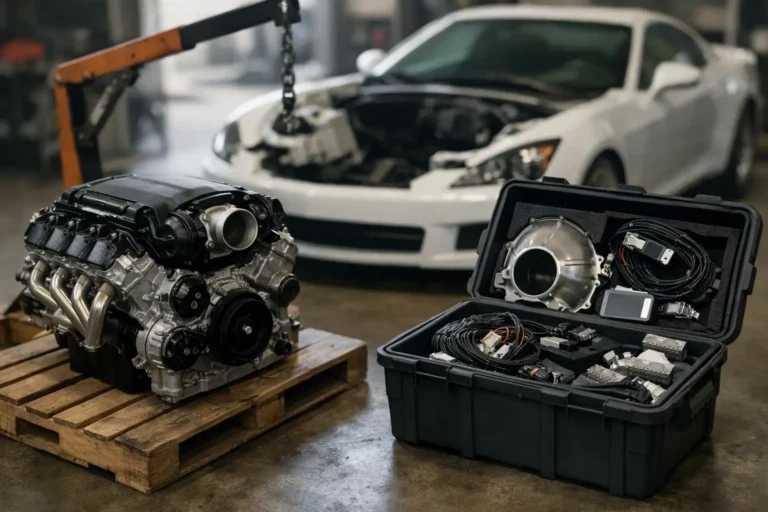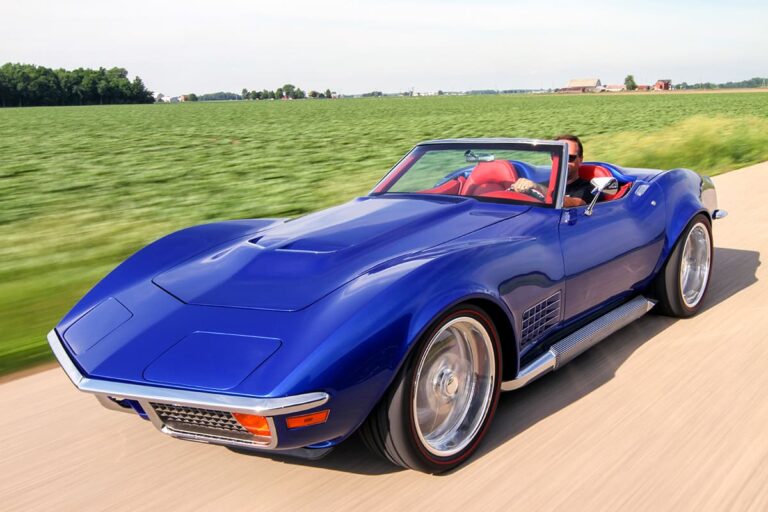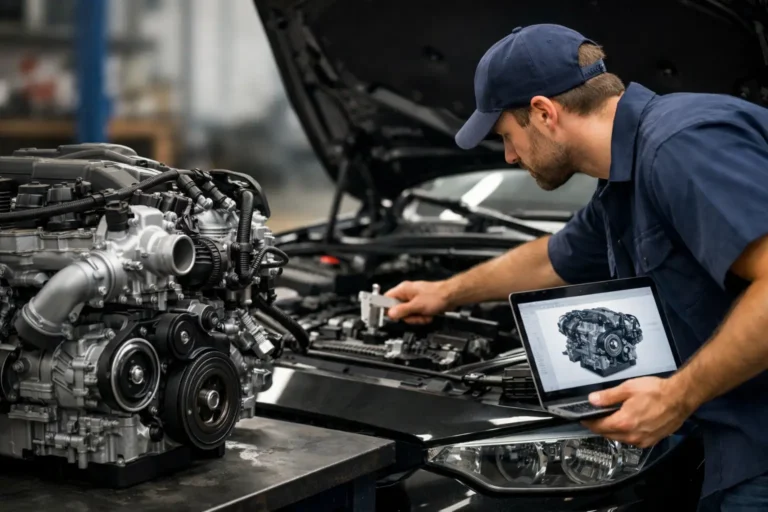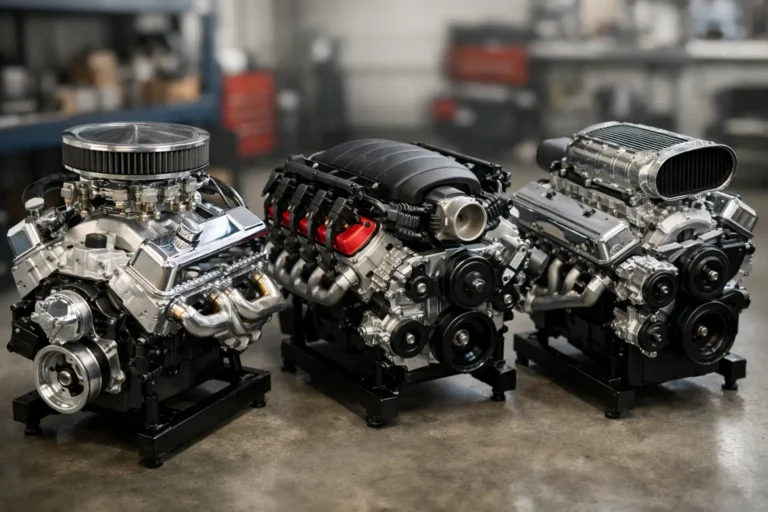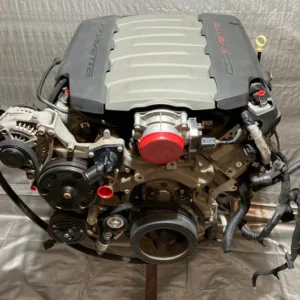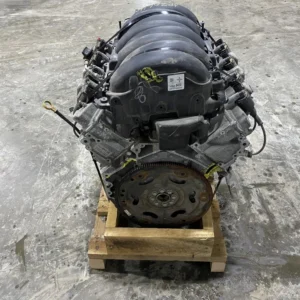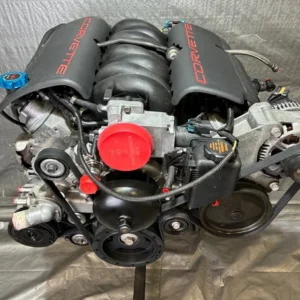
A $500 truck engine can make a street car seriously quick. A $10,000 crate engine can still turn into a frustrating swap if the transmission, wiring, accessories, and oil pan do not match the build. That is why the best engine for LS swap projects is not always the one with the biggest horsepower number. It is the engine package that fits your vehicle, budget, timeline, and intended use without creating a pile of expensive surprises.
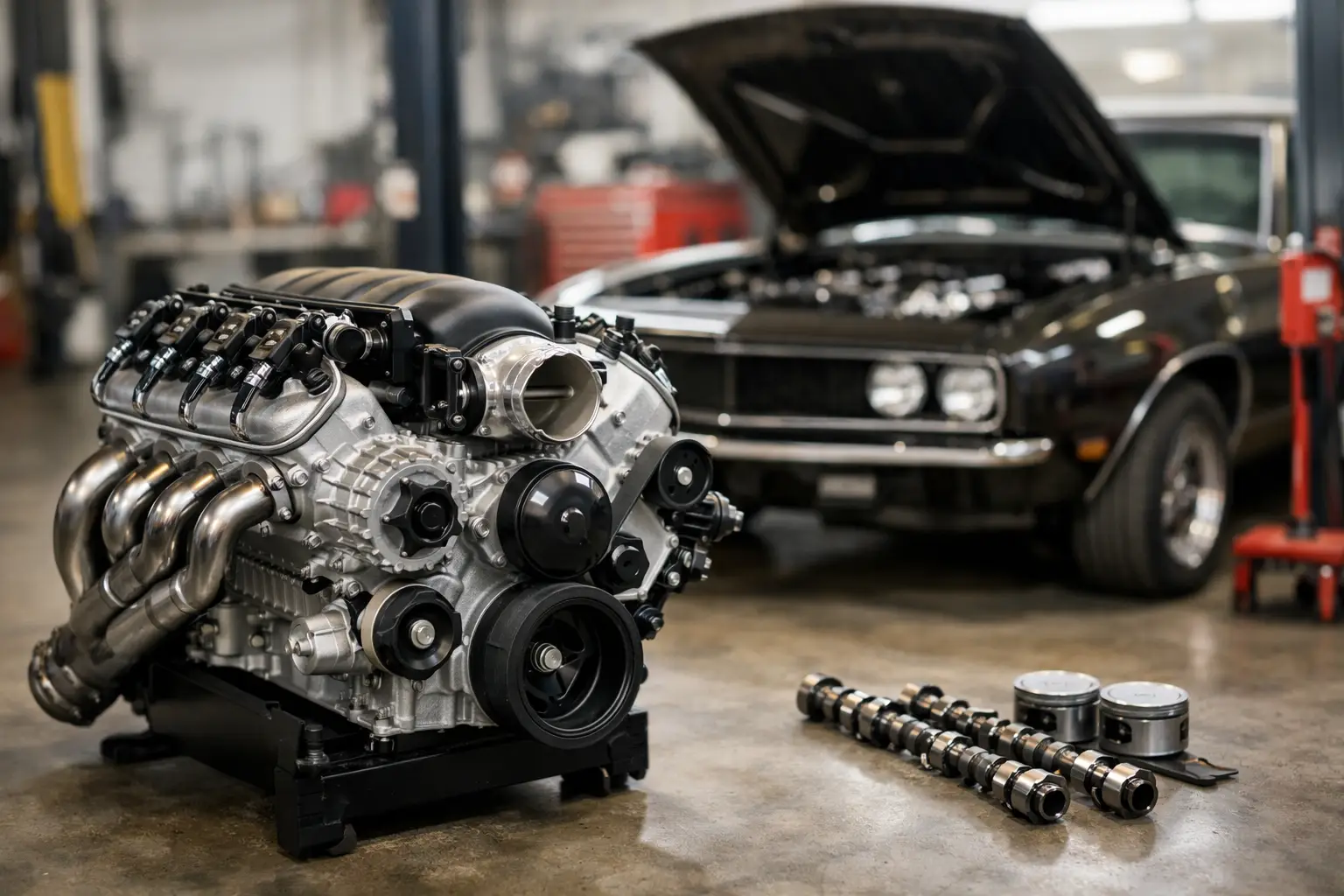
For most builders, the LS swap sweet spot starts with a complete engine and transmission package. Buying a matched setup keeps the hard parts together and gives you a clearer path on electronics, torque converter compatibility, driveshaft measurements, and shifter selection. Whether you are reviving a square-body truck, building a Fox-body, or putting modern power in a classic muscle car, start with the whole drivetrain plan.
Best Engine for LS Swap Projects: Start With the Goal
There is no single LS engine that wins every build. A daily-driven truck needs low-end torque, dependable cooling, and a transmission that behaves in traffic. A lightweight street car may benefit more from an aluminum-block engine that drops front-end weight. A drag-focused project may need a stronger rotating assembly, better heads, and a fuel system sized for boost or nitrous.
Before choosing an engine, answer three questions: How much power do you actually need? What transmission will support the vehicle and how you drive it? How complete does the package need to be when it arrives?
A 450-horsepower 5.3-powered street car is already a serious machine. Chasing 700 horsepower because it sounds good can push the build into bigger injectors, forced induction, upgraded fuel lines, transmission reinforcement, rear-end work, better tires, and more tuning time. Build for the way you will use the vehicle, not just for the comment section.
The 5.3L Truck Engine: The Budget Performance Favorite
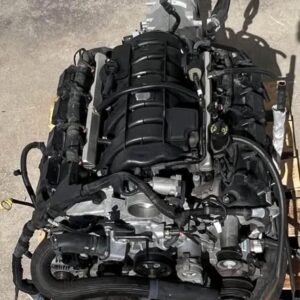
The 5.3L truck LS remains one of the smartest answers for builders who want affordable power and wide parts availability. Engines such as the LM7, L59, LY5, and LC9 came in huge numbers of GM trucks and SUVs, which means they are familiar to shops and supported by an enormous aftermarket.
An iron-block 5.3 is a tough choice for a truck, off-road rig, heavy car, or budget turbo build. It is not the lightest option, but it delivers the torque and durability that make LS swaps so popular. With a healthy stock bottom end, proper tuning, and the right supporting parts, these engines can deliver strong naturally aspirated performance and leave room for future boost.
The aluminum 5.3 options, including many LC9-based setups, make more sense when weight matters. They are popular in sports cars and older vehicles where every pound over the front axle changes handling. Availability and pricing vary, so an iron 5.3 can still be the better deal if the project is more about hard launches than corner balance.
The trade-off is that a cheap bare 5.3 is rarely cheap by the time you source intake accessories, ECU, harness, oil pan, flexplate, sensors, and a transmission. A complete dropout package can be the faster, cleaner buy.
Who should buy a 5.3?
Choose a 5.3 when you want proven LS power without paying premium money for displacement or factory performance badges. It is the practical pick for first-time swappers, work trucks, cruisers, and builders planning a later turbo upgrade.
The 6.0L LQ4 and LQ9: More Cubes, More Torque
If you want the same truck-engine value formula with more displacement, the 6.0L LQ4 and LQ9 are hard to ignore. These iron-block engines are known for pulling hard, handling power, and offering a solid foundation for naturally aspirated street builds or boosted combinations.
The LQ4 is generally the value-oriented option, while the LQ9 is commonly sought for its higher-compression setup and stronger factory performance reputation. Either can make a great swap engine when condition, mileage, and included components are right. Do not pass on a clean LQ4 package just because an LQ9 has more name recognition. The real-world difference may matter less than a complete package with the wiring, accessories, and transmission you need.
A 6.0 makes sense in heavier vehicles where torque matters. It is also a strong move for builders who know they will want more power later but do not want to start over with a smaller engine. Expect the same iron-block weight considerations as a truck 5.3, along with somewhat higher purchase pricing.
Who should buy a 6.0?
Choose an LQ4 or LQ9 for a heavy street car, classic truck, towing-capable build, burnout machine, or turbo project that needs displacement and a durable base. It is often the best value step-up from a 5.3.
The 6.2L LS3 and L92 Family: Premium Street Power
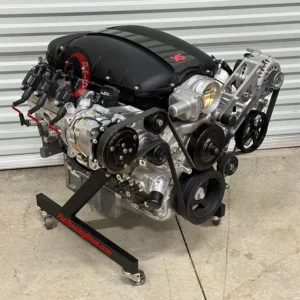
The 6.2L LS3 is the engine many builders picture when they want modern naturally aspirated LS performance. Strong factory airflow, aluminum construction, and excellent aftermarket support make it a favorite for street machines that need real horsepower without relying on boost.
LS3-based builds are especially appealing when you want a clean, responsive package with serious power potential and less front-end weight than an iron truck block. The catch is price. An LS3 is not a budget swap, and the supporting components should match the investment. Cutting corners on harness quality, fuel delivery, cooling, or tuning can erase the advantage of buying premium power in the first place.
The L92 and related 6.2 truck engines can offer a compelling alternative. They share major performance potential with LS3-style combinations, though intake, accessory, electronics, and cylinder-head details need to be planned carefully. For a builder who understands the parts mix, a 6.2 truck-based package can be a high-value path to big naturally aspirated power.
Who should buy a 6.2?
Choose a 6.2 when the build calls for premium naturally aspirated performance, lighter weight, and a sharper street-driving feel. It is ideal for restomods, pro-touring cars, higher-end street builds, and projects where the engine is a centerpiece rather than just a replacement.
Do Not Ignore the Transmission
An engine decision without a transmission decision is only half a swap plan. The 4L60E is common, compact, and useful for moderate-power street vehicles. The 4L80E is larger and heavier, but it brings a much stronger reputation for high-torque builds, heavy vehicles, and forced-induction combinations. Manual options can deliver a more involved driving experience, but clutch hydraulics, pedal assemblies, bellhousing fitment, and tunnel clearance all need attention.
Matched engine-transmission packages reduce guesswork. You can plan around the included converter or clutch arrangement, transmission controller requirements, and output configuration from the beginning. That matters when a project is sitting on a lift and every missing part costs another week.
Buy the Complete Package, Not Just the Long Block
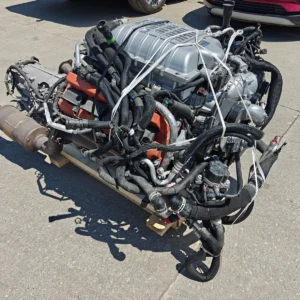
The quickest route to a stalled LS swap is buying an engine that looks like a deal, then discovering it is missing the components that make it run. A swap-ready package should be evaluated beyond the block and heads. Confirm the intake, throttle body, accessory drive, ECU, wiring harness, sensors, starter, flexplate or flywheel, and transmission are included or budgeted.
Mileage matters too, especially with used takeout engines. Lower mileage can be attractive, but service history, compression condition, oil cleanliness, and the completeness of the package matter just as much. A well-documented setup with usable accessories can save more money than a lower-mileage engine that requires extensive sourcing.
At Swap Engine Vault, complete engine and transmission packages help builders cut through that parts-chasing cycle. The right package lets you focus on mounts, fuel, cooling, exhaust, wiring integration, and the details that make the finished vehicle drive like it belongs there.
The Smartest Choice for Your Build
For most budget-minded builds, a complete 5.3L package is the best starting point. For more torque and future power potential, step up to a 6.0L LQ4 or LQ9. For premium naturally aspirated power and lighter weight, an LS3 or carefully planned 6.2L setup earns its higher price.
The best swap is the one that arrives with a clear plan behind it. Match the engine to the vehicle, buy enough drivetrain for the power goal, and leave room in the budget for the parts that turn a good engine into a dependable, hard-running ride.