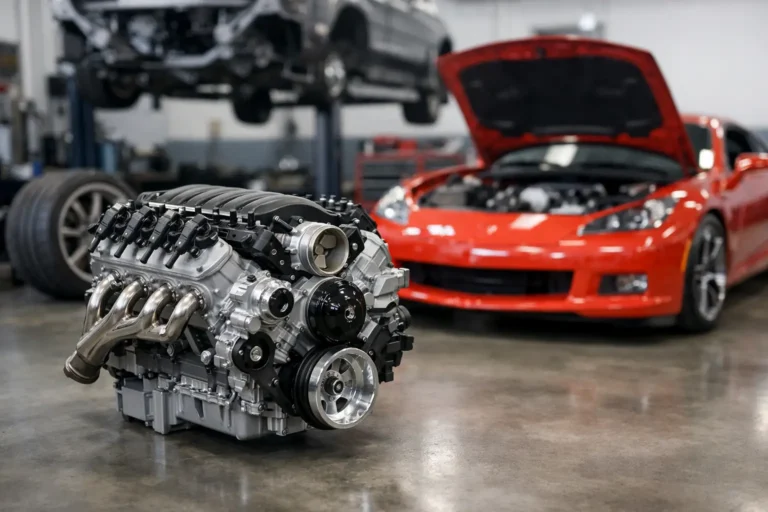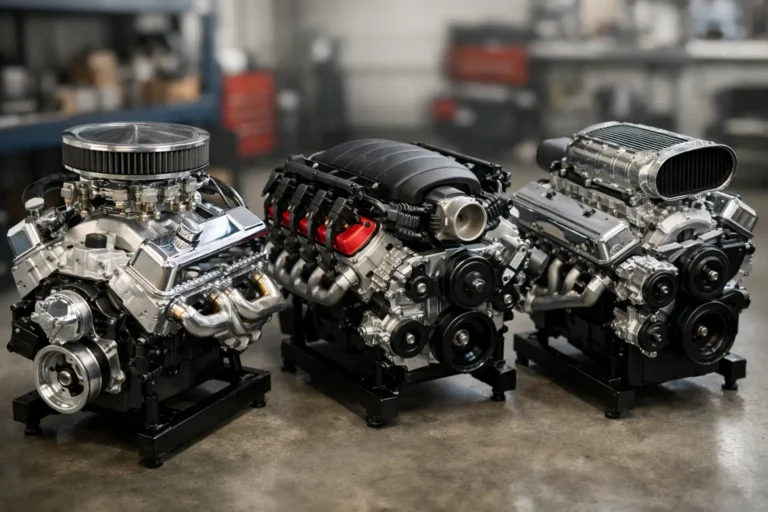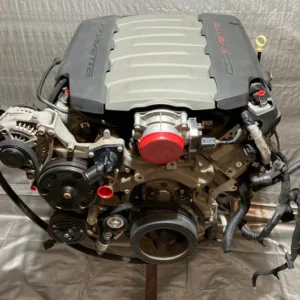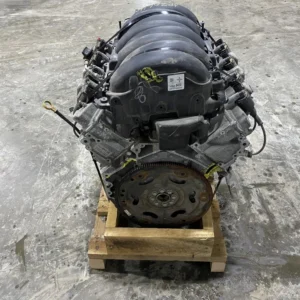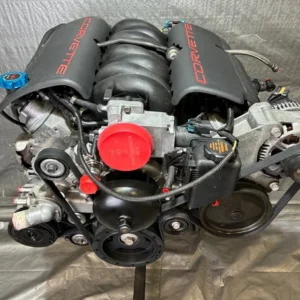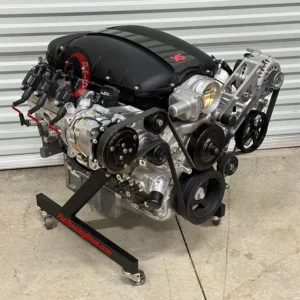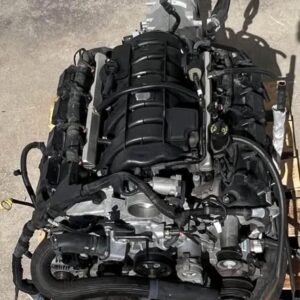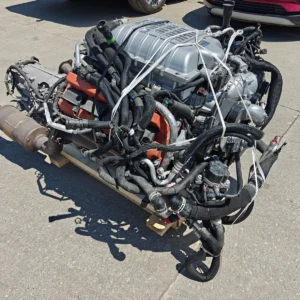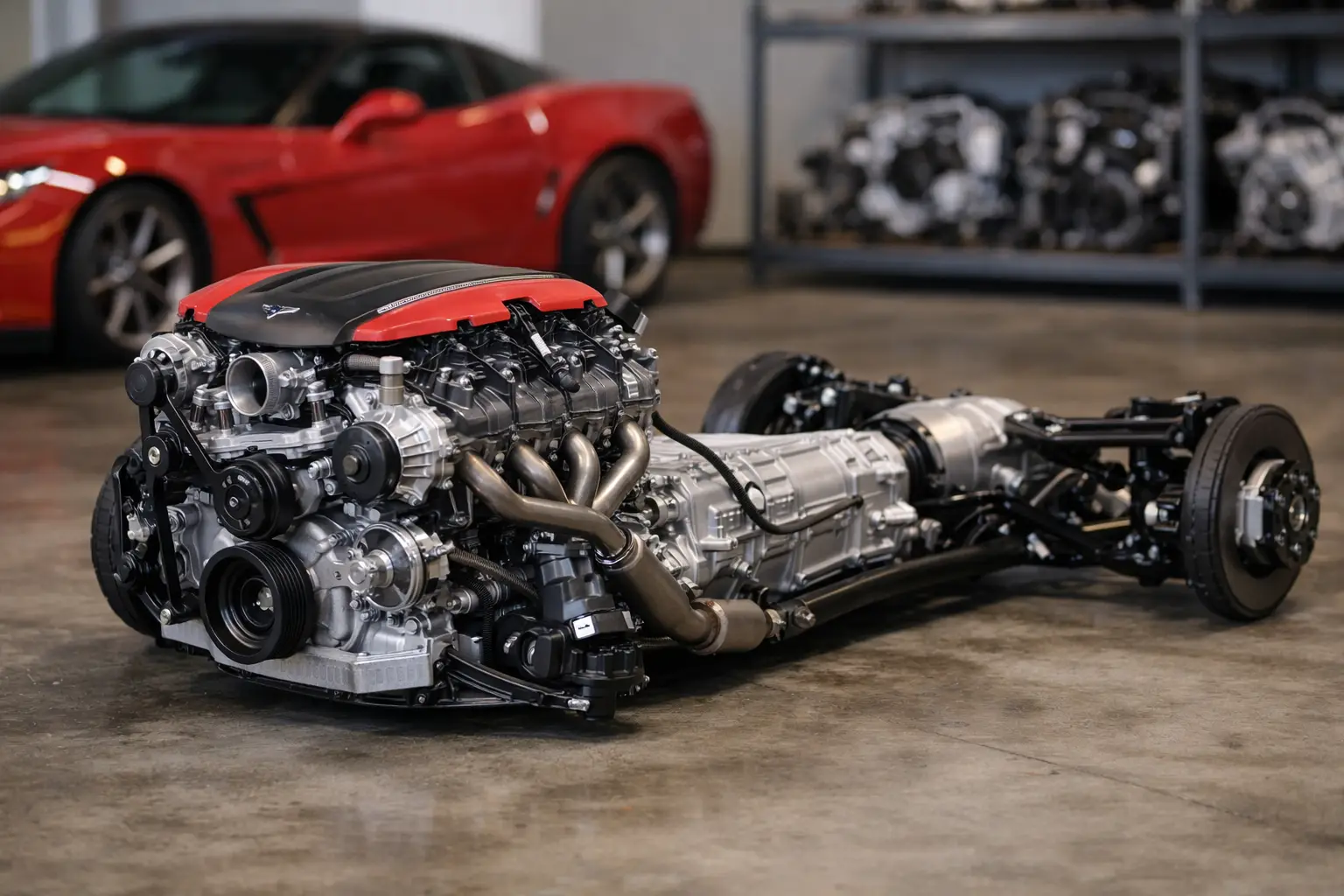
A Corvette drivetrain can turn a stalled build into a running project fast – or turn a bargain into months of parts chasing. When you buy used Corvette drivetrain components, the win is not simply getting an LS engine for less money. The real win is buying a matched package with the transmission, electronics, accessories, and fitment details your build actually needs.
For a C5, C6, C7, restoration, kit car, or custom swap, the right used dropout gives you proven GM power without assembling a drivetrain one part at a time. But Corvette layouts vary by generation, and the wrong assumptions about transmissions, torque tubes, wiring, or accessories can erase the savings quickly. Buy the package that solves your project, not the one that only looks good in a listing.
Start With Your Corvette Generation and Build Goal
Corvette drivetrains are not interchangeable just because they wear an LS-family engine. A C5 package commonly centers around the LS1 and rear-mounted transaxle arrangement. C6 models may bring LS2, LS3, LS7, LS9, or other combinations depending on trim and year. C7 powertrains add another level of electronic complexity, especially with direct injection LT engines, modern modules, and automatic transmission controls.
The first question is simple: are you replacing a factory drivetrain in a Corvette, or adapting Corvette power for another vehicle? A direct replacement buyer needs factory-correct compatibility. A swap builder may care more about horsepower, accessory placement, transmission choice, oil pan clearance, and whether the engine can run independently of the donor vehicle.
That difference changes what “complete” means. For a factory-style Corvette repair, a complete rear drivetrain arrangement may include components that do not help a classic truck or street rod build. For a swap, an engine and conventional transmission package is often easier to install than a Corvette transaxle setup, even if both started with excellent donor parts.
What a Complete Used Corvette Drivetrain Should Include
A drivetrain listing can mean anything from a bare long block to a full pullout. Never treat those descriptions as equal. Confirm exactly what is included before you plan the install, price supporting parts, or schedule shop time.
A genuinely useful package may include:
- Engine assembly with intake, fuel system components, accessories, exhaust manifolds, and starter
- Transmission or transaxle, plus torque converter or clutch-related components when applicable
- Engine harness, ECU or ECM, sensors, pedal assembly, and accelerator components for drive-by-wire setups
- Accessory drive, alternator, power steering equipment, A/C compressor, and brackets
- Corvette-specific pieces such as a torque tube, rear transaxle, differential components, or axles when the package is intended for a factory-layout repair
Not every project needs every item. A stripped-down track build may delete A/C and factory exhaust. A shop installing a direct replacement may already have reusable accessories. Still, buying missing essentials separately often costs more than stepping up to a better package from the beginning.
Engine and Transmission Pairing Matters
An engine may run perfectly while the transmission behind it is wrong for your vehicle, power target, or intended use. Manual and automatic packages require different supporting parts. Automatic setups need proper control strategy, converter information, cooler connections, and compatible electronics. Manual packages need the correct bellhousing, flywheel, clutch, slave cylinder, hydraulics, and shifter arrangement.
For a Corvette, layout matters as much as the transmission model. Many C5 and C6 Corvettes use a rear-mounted transaxle connected by a torque tube. That setup helps weight distribution in the original chassis, but it is not a quick bolt-in answer for most non-Corvette swaps. If you are building a truck, muscle car, or restomod, ask whether the package is a conventional engine-transmission combination or a Corvette-specific transaxle assembly.
Mileage Is a Starting Point, Not a Guarantee
Lower mileage is valuable, especially when it comes with a documented donor year and clear condition details. But mileage alone does not tell the whole story. A 55,000-mile engine that was maintained, stored correctly, and pulled from a running donor can be a stronger buy than a lower-mileage unit with collision damage, water exposure, or unknown history.
Ask how the drivetrain was sourced and whether the donor was running before removal. Look for information about compression, oil condition, visible leaks, damaged connectors, broken mounting points, and any known issues. Clear photos of the actual engine, transmission, harnesses, and accessories matter. Stock photos cannot confirm what arrives at your door.
A used powertrain is still used. Plan for normal preventative work while the drivetrain is out: fresh fluids, filters, spark plugs where access is tight after installation, seals that are already sweating, belts, hoses, and worn mounts. This is not a reason to avoid used inventory. It is how experienced builders protect their time once the engine is in the bay.
Watch for Storage and Shipping Damage
Long-term storage can create problems even on a good drivetrain. Open intake ports, cut harness ends, missing sensors, cracked plastic fittings, and moisture inside exposed components can change the scope of the project. Verify that openings were protected and that the engine is secured appropriately for freight transport.
When the shipment arrives, inspect it before the driver leaves whenever possible. Photograph the crate or pallet, look for impact damage, compare visible components against the listing, and report freight damage immediately. A careful receiving process is part of buying smart, not an extra chore.
Electronics Can Make or Break the Swap
Modern Corvette engines are not just mechanical assemblies. The ECU, engine harness, throttle pedal, mass air flow sensor, oxygen sensors, fuse block, and transmission controller can determine whether your project starts quickly or becomes an electrical troubleshooting marathon.
For an LS-based package, find out whether the setup is cable throttle or drive-by-wire, whether the ECU is included, and whether it will need reprogramming for your application. For LT-based C7 equipment, expect more integration work. Direct injection fuel systems, high-pressure fuel pumps, security systems, body-control interactions, and newer transmission controls can raise the complexity and cost of a swap.
That does not make a C7 drivetrain a bad choice. It can be an outstanding performance upgrade. It simply fits best when your budget and build plan account for the wiring, programming, fuel delivery, cooling, and fabrication needed to make the package operate as intended.
Confirm Fitment Before You Commit
A used Corvette drivetrain has to fit more than the engine bay. Measure for oil pan clearance, steering shaft interference, hood clearance, exhaust routing, transmission tunnel space, driveshaft length, cooling capacity, and accessory placement. A low-mount Corvette accessory drive can be perfect in one chassis and a problem in another.
If you are repairing an original Corvette, verify the donor year, engine code, transmission type, and VIN-related application information. Small differences in sensors, reluctor wheels, accessory brackets, oil pans, controllers, and connectors can matter. If emissions compliance applies where the vehicle will be registered, make that part of the purchase decision before the drivetrain is installed.
For a custom build, be honest about fabrication. The cheapest package on paper may need custom mounts, a different oil pan, aftermarket headers, stand-alone controls, a new fuel system, and a revised driveshaft. A more complete, better-matched package often costs less by the time the vehicle is driving.
Price the Whole Project, Not the Engine Alone
The asking price is only one number. Build a realistic budget around the drivetrain before you buy. Include freight, taxes, required electronics, cooling components, fuel system changes, fluids, tuning, mounts, exhaust work, driveshaft work, and labor if a shop is handling the install.
This is where complete packages earn their keep. A bundled engine and transmission can reduce compatibility questions and eliminate the scramble for missing parts. It also gives you a clearer picture of the total investment. There is a trade-off: a full dropout may cost more up front and include parts you will not use. But for many replacements and swaps, paying for the right matched system beats losing weekends hunting down brackets, controllers, and connectors.
Buy the Package That Gets You Driving
The best used Corvette drivetrain is the one matched to your chassis, skill level, budget, and finish line. Confirm the donor details, inspect what is included, understand the transmission layout, and account for electronics before checkout. Do that, and used Corvette power stops being a gamble and becomes a practical path to serious performance.
Swap Engine Vault focuses on the kind of engine and transmission packages that help builders skip the fragmented search and move straight toward installation. Choose the complete setup your project needs, handle the supporting work while the drivetrain is out, and get your ride back where it belongs – on the road.