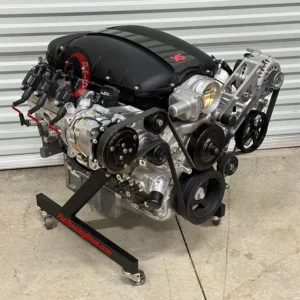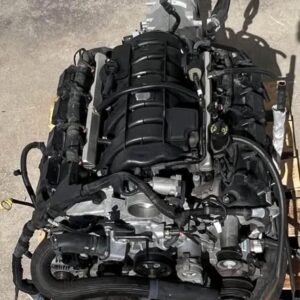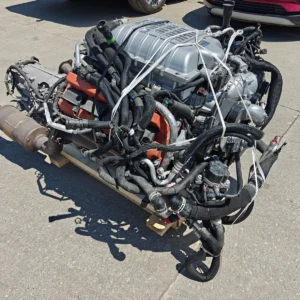
A Camaro SS LT1 engine for sale can put your build back on the road with 455-horsepower Gen V V8 power – but only if you buy the right version, the right package, and the right supporting parts. An LT1 is not a plug-and-play purchase just because the listing says Camaro. Match the engine to your project before freight arrives, and you avoid expensive downtime, missing components, and a powertrain that does not talk to your electronics.
For a damaged sixth-generation Camaro, the goal is usually a clean replacement that preserves factory driving manners. For a swap build, the goal may be different: get the strongest, lowest-mileage 6.2L package you can afford, then build the fuel, wiring, cooling, and transmission setup around it. Either way, the smart buy starts with knowing exactly what is being sold.
Know Which LT1 You Are Buying
The modern Camaro SS LT1 is the Gen V 6.2L small-block used in 2016-2024 Camaro SS models. It is naturally aspirated, direct injected, and factory rated at 455 horsepower and 455 lb-ft of torque in Camaro SS trim. It delivers serious street power with factory-level manners when the package and calibration are matched correctly.
Do not confuse it with the earlier 1992-1997 LT1 found in fourth-generation Camaros, Corvettes, and Impala SS models. Both are called LT1, but they are completely different engines. The earlier engine uses a different architecture and fuel system, while the Gen V Camaro LT1 brings direct injection, modern controls, and a much different swap path. If your project is a 2016-up Camaro SS or you are planning a late-model V8 swap, make sure the listing clearly identifies the Gen V 6.2L LT1.
A donor vehicle matters, too. Camaro, Corvette, and truck-based Gen V engines can share major architecture, but oil pans, accessory drives, exhaust manifolds, intake components, calibration, and transmission compatibility can vary. A Camaro-origin engine is usually the simplest route for a Camaro replacement. A different donor can still make sense for a custom build, but budget for the parts required to make it fit and operate.
Camaro SS LT1 Engine for Sale: Choose Your Package
The lowest advertised price is not always the lowest-cost solution. A bare long block can be the right move when your existing intake, accessories, wiring, fuel components, and transmission are reusable. It can also become a parts chase when your old engine failed hard or the project has no donor components left.
A complete engine package reduces that risk. Depending on the listing, it may include the intake manifold, throttle body, fuel system components, front accessory drive, exhaust manifolds, engine harness, ECU, and sometimes the transmission. For shops and builders working against a deadline, those included pieces often matter more than a small difference in engine price.
An engine-and-transmission dropout is especially attractive for a swap because it keeps key drivetrain components together. The transmission, torque converter or clutch-related components, control modules, and matching sensors are less likely to turn into separate compatibility problems. That does not mean every dropout is ready to install in every chassis. It means you have a stronger starting point.
Before you commit, ask whether the sale is for a long block, dressed engine, complete pullout, or engine-transmission package. Those terms are not interchangeable. Review the actual included components, not just the product title.
Mileage, Condition, and Donor Details Matter
A low-mileage LT1 can be a smart buy, but mileage is only one part of the condition story. A 35,000-mile engine from a clean, running donor with documented vehicle details may be more appealing than an engine with vague mileage and no clear history. Look for a seller that identifies the donor application and provides accurate information about what comes with the assembly.
For used engines, condition questions should be direct. Was the engine removed from a running vehicle? Is there visible impact damage? Are the intake, valve covers, oil pan, and accessory components intact? Is the engine complete as pictured? If available, compression or leak-down information can add confidence, although not every removed engine will have the same testing documentation.
Direct injection engines also deserve a closer look at the components around the long block. High-pressure fuel system parts, injectors, wiring connectors, sensors, and the throttle body can be expensive to replace if they are damaged or missing. A complete-looking engine that needs several high-dollar pieces is not a bargain for long.
Match the LT1 to Your Camaro or Swap Chassis
For a direct Camaro SS replacement, start with your model year, transmission type, VIN information, and emissions requirements. Manual and automatic cars have different drivetrain needs. Electronics, control modules, and calibrations must work together, and a mismatch can create a no-start condition, warning lights, reduced-power issues, or an expensive tuning session.
If you are installing the LT1 in an older Camaro, a truck, a restomod, or another custom chassis, plan the build as a system. The engine is the centerpiece, not the entire answer. Gen V LT1 swaps commonly require attention to fuel delivery, ECU and harness integration, pedal and throttle controls, cooling, exhaust routing, accessory clearance, oil pan clearance, and transmission selection.
The direct-injection fuel system is a major consideration. This is not the same swap experience as installing an earlier port-injected LS engine. Builders who want the simplest possible wiring and fuel setup sometimes choose a different platform for that reason. But if you want the modern LT1’s power, torque curve, and factory refinement, the added planning is worth it.
Emissions compliance is another real-world factor. A street-driven vehicle may need to retain compatible emissions equipment and calibration based on local and state requirements. Do not assume an engine from any donor year will automatically work in your vehicle. Check the rules where the vehicle will be registered before finalizing the combination.
Questions to Settle Before Ordering
A strong engine listing should make the decision easier, not create more unknowns. Before purchasing, confirm these details with the seller:
- The exact donor vehicle year, model, and engine designation
- Approximate mileage and the condition of the donor vehicle
- Whether the engine was run or inspected before removal
- Everything included with the package, from intake to ECU to transmission
- Shipping method, freight delivery requirements, warranty terms, and return conditions
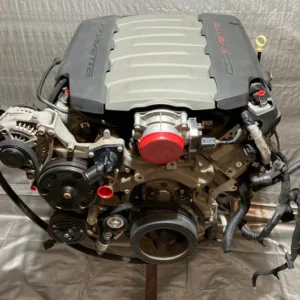
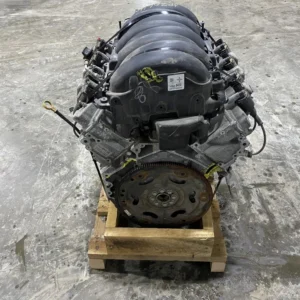
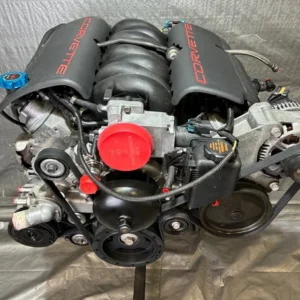
Photos are part of the verification process. Compare them against the description and look closely at connectors, accessory mounting points, exhaust manifolds, and any visible impact areas. If a component is not shown or specifically listed, treat it as not included until confirmed.
Freight delivery deserves attention as well. A complete LT1 package is heavy, and residential delivery may require a liftgate or a nearby commercial address. Make sure you have space to inspect the shipment when it arrives. Note any visible freight damage before accepting delivery, then photograph the package and inventory the included parts promptly.
Build the Budget Beyond the Engine Price
The engine itself is the headline purchase, but installation costs can decide whether the project stays on track. A direct replacement may need fluids, gaskets, mounts, plugs, filters, and fresh cooling-system service. A swap can need those items plus conversion mounts, a standalone or modified harness, fuel system upgrades, exhaust fabrication, driveshaft work, and tuning.
That is why complete packages can deliver better value than a cheap core engine. Saving money upfront feels good until you spend weeks locating an ECU, accessory bracket, high-pressure fuel component, or compatible transmission part. Buy the package that matches the amount of work you actually want to do.
For performance plans, be realistic about the next step. The stock LT1 is already a serious street engine. Camshaft upgrades, forced induction, fueling changes, and tuning can push the project further, but they also increase the importance of drivetrain strength, heat management, and calibration quality. Start with a healthy foundation before chasing bigger numbers.
Swap Engine Vault is built for buyers who want to spend less time hunting through scattered listings and more time moving a project forward. Whether you need a lower-mileage replacement or a complete powertrain for a custom build, prioritize clear fitment details and package completeness over a vague bargain.
The right LT1 is the one that matches your chassis, your transmission plan, your electronics, and your deadline. Verify those four points before you buy, and your Camaro project has a far better chance of firing up strong the first time.