A dead daily driver, a stalled LS swap, or a shop bay tied up by a blown engine all create the same problem: you need power now, not another month of chasing salvage-yard leads. If you are asking where to buy used crate engine packages, the best answer is not simply “online.” It is a seller that gives you enough information to buy the right powertrain the first time.
A used engine can be a smart way to get a truck, muscle car, BMW, or project build back on the road without paying new-crate pricing. But the deal only works when the engine’s application, mileage, accessories, transmission compatibility, and delivery details line up with your build. Cheap is not a win if the engine arrives missing the parts that make it usable.
What Buyers Mean by a Used Crate Engine
The term “used crate engine” gets used loosely. A traditional crate engine is usually a new or remanufactured engine shipped in a crate, often built to a defined horsepower level and component list. A used crate engine package is more commonly a tested used takeout or dropout assembly sold for replacement or swap use.
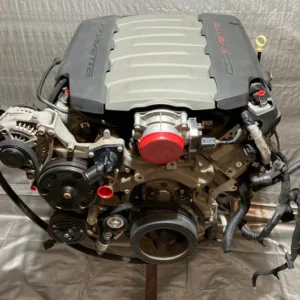
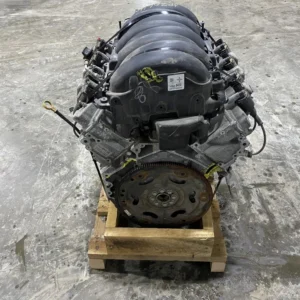
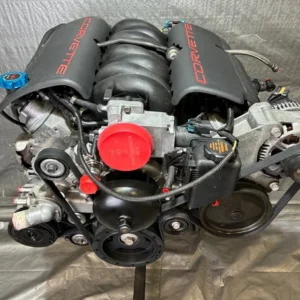
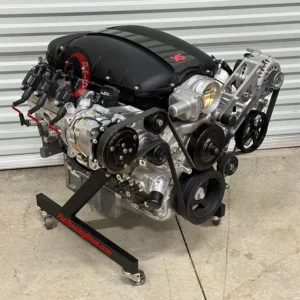
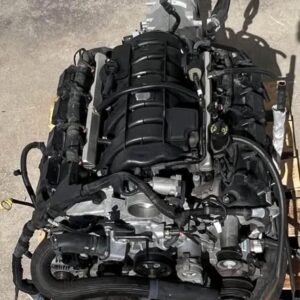
That distinction matters. A low-mileage 5.3L LM7, 6.0L LQ4, Gen V LT engine, Coyote, HEMI, or BMW engine may come from a donor vehicle and arrive as a long block, complete engine, or engine-and-transmission package. Each version solves a different problem.
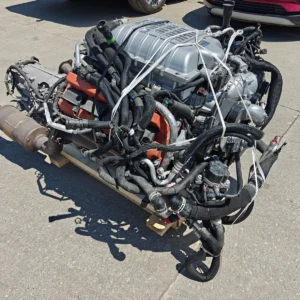
For a direct replacement, you may only need the engine assembly that matches your existing vehicle. For a swap, a complete dropout with the transmission, harness, ECU, accessories, and pedal components can save serious time. Before shopping, decide whether you are replacing what failed or building something different. That one decision keeps you from paying for parts you will not use or, worse, leaving out parts that stop the project cold.
Where to Buy a Used Crate Engine With Less Risk
The best place to buy depends on how much certainty your project requires. Local salvage yards can work for hands-on buyers who want to inspect a donor, pull components themselves, and handle transportation. The trade-off is time. Inventory changes constantly, mileage can be unclear, and the engine may be sold without the exact accessories or electronics you need.
Peer-to-peer marketplace listings can occasionally uncover a bargain, especially for common LS truck engines or older small-block Chevy applications. They also carry the most risk. A vague description, no VIN information, no compression data, and a seller who cannot explain what is included are all signs to walk away. An engine on a pallet is not automatically a ready-to-run package.
Specialized online engine retailers are often the stronger choice for buyers who need fitment clarity, documented mileage, visible pricing, and shipment coordination. This is especially true for shops and builders who cannot afford to gamble on a mystery motor. A focused catalog lets you compare engine families, vehicle applications, available transmissions, and package configurations without calling ten different yards.
Swap Engine Vault is built around that kind of search. Instead of piecing together a drivetrain from scattered listings, buyers can shop replacement engines, performance options, and swap-ready engine-transmission packages in one place. That matters when you are chasing a complete 6L80-equipped GM setup, a Ford package, a Dodge/Ram engine, or a BMW replacement assembly and need the major pieces to match.
Read the Listing Like Your Build Depends on It
It does. A clean product photo and a low price are not enough. The listing should tell you what engine you are getting, what vehicle it came from, its mileage or estimated mileage, and what components are included. Do not assume the intake, throttle body, alternator, starter, wiring harness, ECU, flexplate, torque converter, or transmission are part of the deal unless they are specifically listed.
Start with the engine code, not just the displacement. Two engines can both be labeled 5.3L or 5.7L and still have major differences in electronics, oil pans, accessory drives, cylinder heads, fuel systems, and transmission bolt patterns. That matters for LS swaps, where a truck-based engine may fit the budget perfectly but require a different oil pan, mounts, accessory spacing, or wiring solution for the chassis.
For a replacement engine, compare the VIN code, emissions equipment, model year range, drive configuration, and sensor locations to the original vehicle. A 2WD and 4WD application may have different pans or fitment details. A later-model engine may physically fit but create programming or emissions headaches. The fastest path is usually matching the original application as closely as possible.
Before you commit, get clear answers to these five questions:
- What is the exact engine code, donor vehicle year, and stated mileage?
- Is this a long block, a complete engine, or an engine-transmission package?
- Which accessories, electronics, and fuel-system parts are included?
- Has the engine been inspected, tested, or documented before sale?
- What are the warranty terms, freight process, and damage-reporting requirements?
Those answers make it easier to compare one listing against another. They also expose listings built on buzzwords instead of useful information.
Mileage Matters, but It Is Not the Whole Story
Lower mileage is usually desirable, particularly for modern engines with expensive direct-injection, variable-valve-timing, or turbocharged components. Still, mileage alone does not tell the entire story. A 90,000-mile highway-driven truck engine with proper maintenance can be a safer bet than a neglected 45,000-mile engine pulled after collision damage.
Use mileage as one part of the value equation. Consider the application, visible condition, included components, inspection process, and available protection. If the price gap between a bare higher-mile engine and a lower-mile complete package is narrow, the complete package can be the better buy once you price the missing parts.
Price the Whole Job, Not the Pallet
The engine price gets attention. The real budget lives in everything around it. Freight, liftgate delivery, core charges, fluids, gaskets, mounts, tuning, programming, exhaust changes, and labor can change a low sticker price into an expensive project.
A replacement engine may need fresh plugs, belts, water pump components, seals, and maintenance items before installation. That is the time to handle rear main seals, oil pans, valve cover gaskets, and hard-to-reach service parts. Skipping those items to save a few dollars can mean paying shop labor twice.
For a swap, a bundled engine and transmission can be a value move because it reduces compatibility guesswork. You are not trying to mate an unknown converter, transmission control setup, or flexplate to the engine after it is already in the car. It may cost more up front, but it can cut down on fabrication delays and last-minute parts orders.
Match the Package to the Mission
There is no universal “best” used engine. A 5.3L truck engine is hard to beat for a budget street build because parts support is enormous and the platform responds well to upgrades. A 6.0L can bring more displacement and towing or performance potential. An LS3-style option may make sense when horsepower is the priority, while a complete late-model LT package can deliver modern power at the cost of added electronics and fuel-system planning.
Ford buyers need the same discipline. A modular truck engine, Coyote package, or EcoBoost replacement may look similar from a distance, but the wiring, control systems, front accessory layout, and transmission needs can be dramatically different. Dodge and Ram applications demand careful attention to engine generation, MDS equipment, electronics, and transmission pairing. BMW buyers should be even more exact about engine codes, turbo hardware, sensors, and modules.
Buy for the vehicle you are building, not the engine that happens to be on sale. A complete, correctly matched package is often the fastest way to power your ride and keep the project moving.
Do Not Let Urgency Create a Bad Buy
Fast shipping and a strong sale price are worth chasing when your vehicle is down. Blind buying is not. Avoid sellers who cannot identify the engine beyond a broad description, refuse to confirm what is included, use only stock photos, or make unrealistic claims about condition. Be cautious with any listing that promises a turnkey result while leaving out the ECU, harness, accessories, or transmission details.
Once your engine arrives, inspect it before installation. Check for shipping damage, verify casting numbers and identifiers, confirm the included parts, and photograph the assembly. Review the seller’s inspection and warranty instructions before you begin teardown or installation. A few careful minutes at delivery can protect a major purchase.
The right used crate engine is not merely the lowest-priced one on the screen. It is the package that fits your vehicle, includes what your build actually needs, and gets you back behind the wheel without turning your engine search into the next problem.