
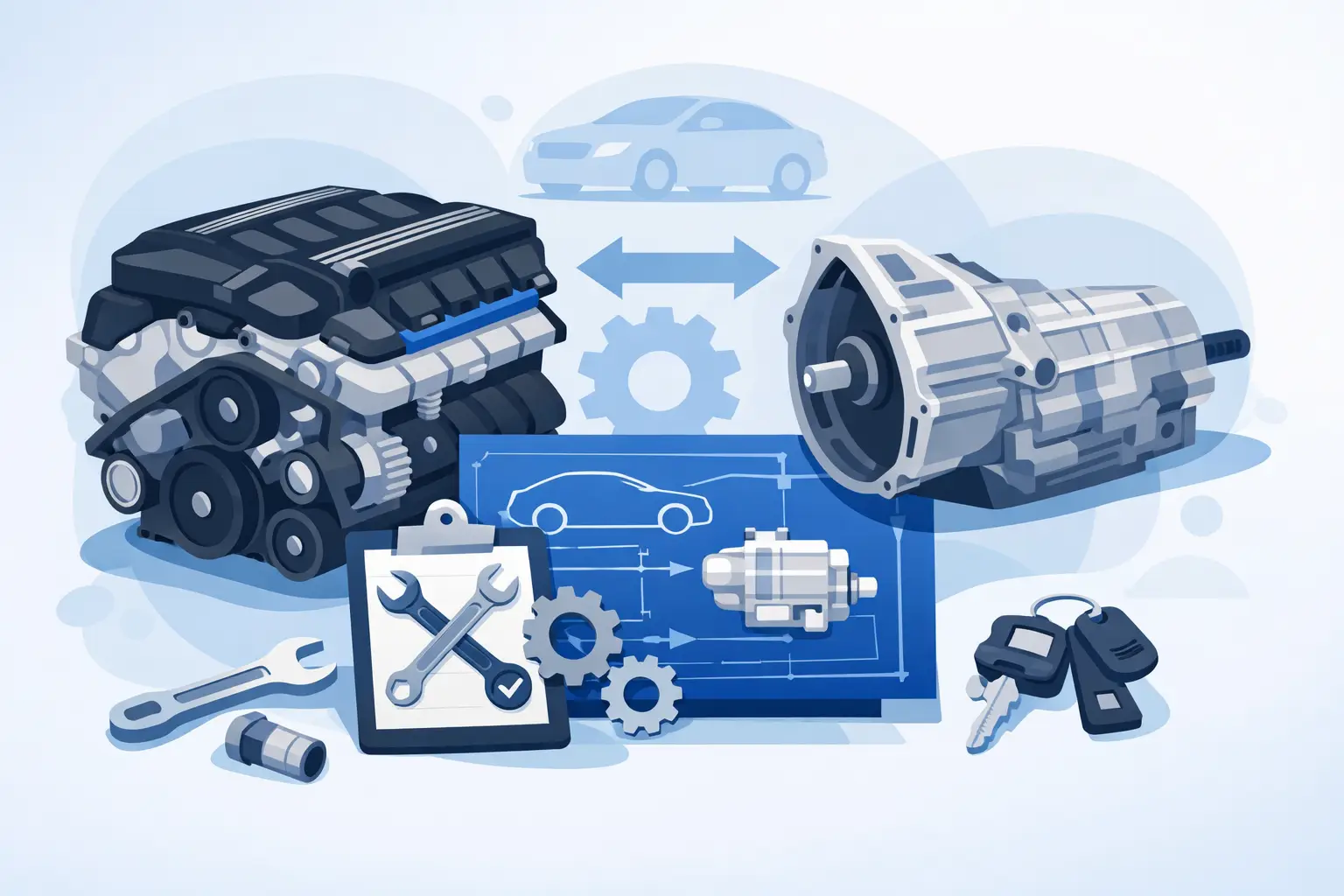
A BMW engine and transmission swap can turn a dead daily driver, tired project car, or underpowered chassis into something worth keeping. But BMW swaps reward builders who buy the complete system first and worry about the flashy details second. The engine may be the headline, but the transmission, wiring, control modules, driveshaft, mounts, cooling, and accessories determine whether the car actually moves under its own power.
For a shop trying to finish work on schedule or a DIY builder trying to avoid a half-year garage stall, the goal is simple: choose a powertrain package that matches the chassis, the intended use, and the amount of fabrication you are ready to handle.
Start With the Right BMW Engine and Transmission Swap
The cleanest route is usually a like-for-like replacement or a same-generation upgrade. Replacing an N52 with another N52, for example, keeps the project closer to factory configuration than fitting a later turbocharged engine into an older chassis. That can mean fewer unknowns with mounting points, oil pans, accessory placement, cooling connections, and electronics.
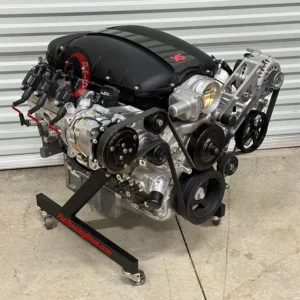
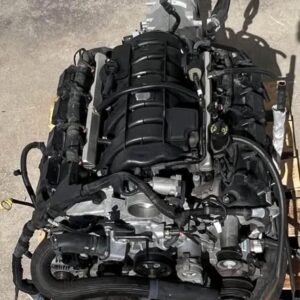
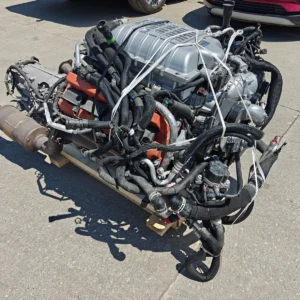
A complete donor package gives you a much better starting point than an engine alone. At minimum, look for the engine and matched transmission. Ideally, the package also includes the torque converter or clutch components, engine harness, ECU or DME, transmission control hardware, accessories, intake components, starter, alternator, and exhaust manifolds. Every missing piece creates another compatibility question and another order to place.
Mileage matters, but it should not be your only buying filter. A lower-mileage engine is attractive, especially for a customer vehicle or long-term build, yet condition and completeness often matter more. A well-documented dropout assembly with its original transmission and electronics can be a smarter purchase than a bare low-mile engine that forces you to source everything else separately.
Decide What Kind of Swap You Are Actually Building
Not every BMW swap has the same finish line. Be honest about the project before choosing parts.
A direct replacement is about getting the vehicle back on the road with the least downtime. Here, matching engine codes and compatible transmission configurations should lead the decision. A same-platform upgrade may add power or improve parts availability while retaining much of the factory architecture. A full custom conversion, such as installing a different BMW engine family or adapting a non-BMW powertrain, can create a wild result, but it comes with more fabrication, integration, and tuning work.
Automatic-to-manual conversions deserve their own planning stage. The transmission itself is only part of the package. You may need a pedal assembly, clutch hydraulics, flywheel, clutch, transmission crossmember, shifter setup, driveshaft, differential changes, coding, and wiring adjustments. It can be the right move for a driver-focused build, but it is not a transmission-only job.
The same is true when adding a performance engine. A turbocharged six-cylinder or V8 may fit physically with enough work, but the factory brakes, cooling system, differential, fuel system, and suspension may not be ready for the extra torque. Power is fun. A car that stops, stays cool, and puts that power down is better.
Match the Donor Package Before You Buy
BMW fitment is rarely as simple as “this engine came from a 3 Series.” Model year, chassis code, engine code, drivetrain layout, emissions equipment, and transmission version all matter. Rear-wheel-drive and all-wheel-drive models can use different oil pans, front subframe clearances, transfer case setups, transmission output arrangements, and driveshaft lengths.
Before ordering, verify the vehicle identification details and compare them against the donor package. Confirm the engine code, whether the vehicle is RWD or AWD, automatic or manual, and the production year range. Check whether the donor uses the same steering configuration and whether the oil pan will clear your subframe. If the project involves an older chassis, measure the engine bay and account for brake booster, steering shaft, radiator, fan, and hood clearance.
Do not assume a transmission bolts in simply because it shares a BMW badge. Bellhousing patterns, electronic communication, torque capacity, output flanges, shifter placement, and crossmember locations can all change between generations. A matched engine-transmission package removes one major variable because the engine and gearbox were designed to work together from the start.
That is why complete assemblies are such a strong value for swaps. They reduce the chance of pairing an engine with a transmission that is physically compatible but electronically difficult or poorly suited to the power level.
Electronics Can Make or Break the Build
Modern BMWs rely heavily on module communication. The engine control unit talks to the transmission, immobilizer system, body modules, instrument cluster, ABS system, and more. If those components do not recognize each other, a mechanically finished project can still be a no-start.
For a later-model BMW engine swap, plan for the DME, engine harness, key or immobilizer components, and any required matching modules. Depending on the generation, the vehicle may need coding, programming, immobilizer alignment, or a standalone engine management solution. A professional tuner or BMW-capable diagnostic specialist can save weeks of guessing here.
A standalone ECU can simplify some custom applications, particularly when the build no longer needs factory convenience features. The trade-off is that you may lose certain dash functions, factory stability-control integration, automatic transmission control, or emissions readiness. For a track-focused project, that may be acceptable. For a street-driven car that needs inspections and daily reliability, retaining compatible factory electronics may be the smarter path.
Build the Supporting Systems Into the Budget
The purchase price of the engine package is only the beginning. Smart builders reserve money for the parts that make the swap dependable after the first startup. Cooling hoses, belts, gaskets, fluids, filters, plugs, coils, motor mounts, transmission mounts, and service items are easier to replace while the assembly is out of the vehicle.
The cooling system deserves special attention. BMW engines can be unforgiving when overheated, and a swap is the right time to inspect or upgrade the radiator, water pump, thermostat, expansion tank, fan setup, and hose routing. If the project is gaining meaningful power, evaluate the fuel pump, injectors, intercooler system where applicable, and exhaust diameter as a package instead of treating each item as an afterthought.
Driveline geometry also needs a real plan. An engine and transmission may sit in the chassis, yet the project is not complete until the driveshaft length, flex disc or universal joints, differential flange, transmission mount, and shifter position all work together. Custom driveshaft work is common on major swaps, so factor it in early rather than discovering it after the engine is installed.
When a Complete Dropout Package Wins
A bare engine can make sense when you are rebuilding an existing setup and already have compatible accessories, electronics, and a known-good transmission. For most replacement jobs and swaps, though, a complete dropout package is faster, clearer, and often less expensive once the missing components are counted.
A matched package gives you a better view of what you are getting. You can inspect transmission condition, keep original sensors and brackets together, and avoid chasing a hard-to-find torque converter, transmission harness, or accessory bracket later. It also helps independent shops quote jobs more accurately because there are fewer open-ended fitment questions.
At Swap Engine Vault, complete engine-and-transmission options are built for buyers who want to stop piecing together the core drivetrain and start moving the project forward. The right package will not eliminate every fabrication or coding step, but it can eliminate a pile of unnecessary parts hunting.
Pre-Install Checks That Save Real Time
Before the first bolt goes in, inspect the donor powertrain on the stand. Turn the engine by hand, check for damaged connectors, examine harness routing, look for cracked housings or broken mounting ears, and verify that the transmission is the exact unit you expected. Replace accessible seals now, especially rear main seals, valve cover gaskets, oil pan gaskets, and transmission seals where appropriate.
Label every connector and bag every fastener during removal. Photograph the original bay, routing, grounds, and hose connections. BMW engine bays can look crowded even when the factory configuration is straightforward. A few clear photos can prevent hours of tracing later.
Finally, have a startup plan. Fill fluids correctly, prime the oil system where applicable, pressure-test the cooling system, scan for faults, and verify that the immobilizer and transmission controls are communicating before declaring the build complete. The first start should be controlled, not a fingers-crossed moment.
The best swap is not always the biggest engine or the cheapest listing. It is the powertrain package that fits your chassis, supports your goals, and arrives complete enough to keep the build rolling instead of parked.


One Comment