
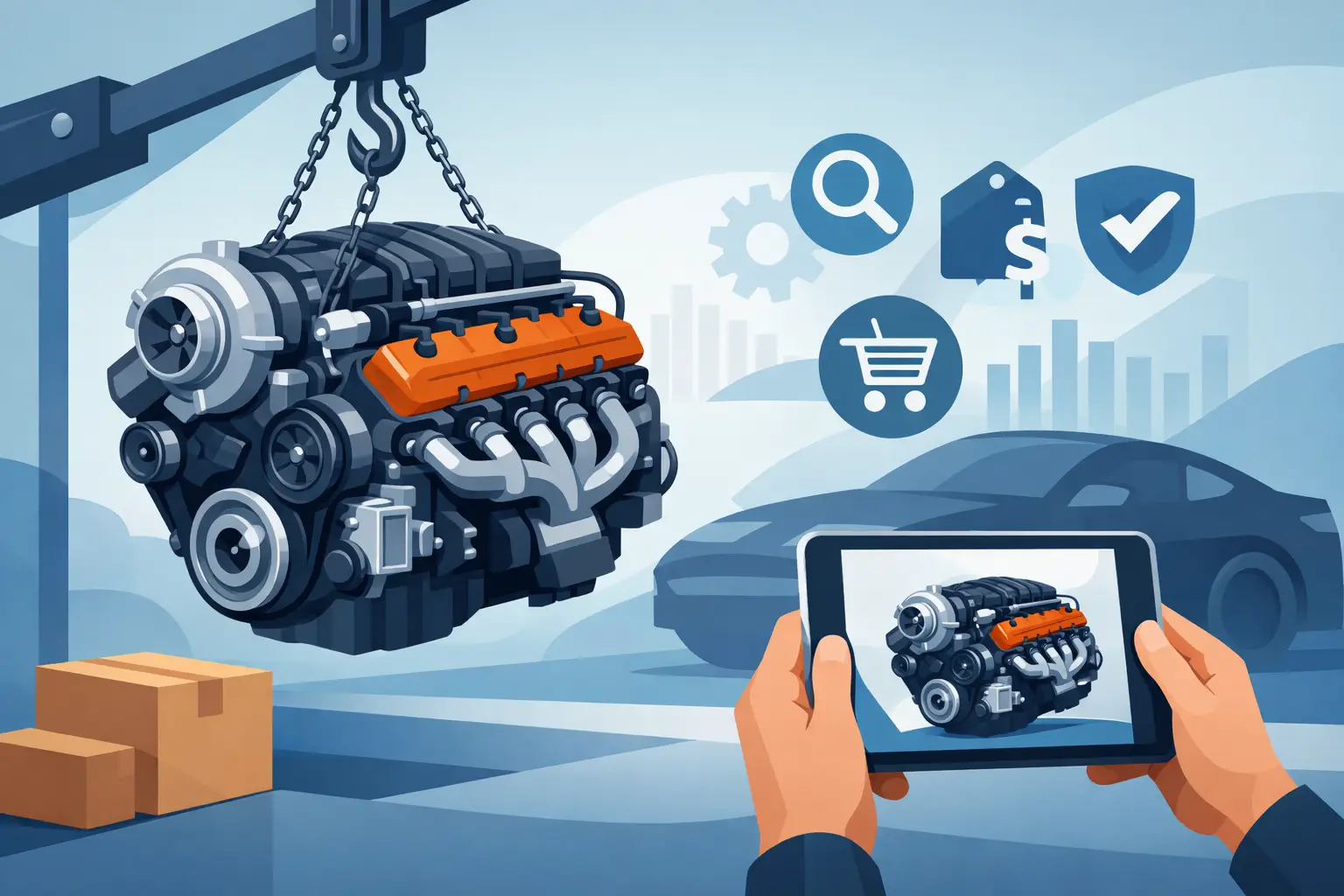
A dropout engine assembly for sale can turn a stalled repair or long-planned swap into a real moving project. Instead of hunting for an engine, transmission, harness, computer, brackets, and accessories from separate sources, you start with a matched powertrain that came out together. That means fewer compatibility surprises, fewer missing parts, and a much shorter path to getting your vehicle back on the road.
For a shop facing a backed-up service bay, that speed matters. For a DIY builder, it can be the difference between finishing the project this season or leaving it on jack stands for another year. The key is buying the right level of completeness for your vehicle, your budget, and the work you are prepared to handle.
What a Dropout Assembly Actually Includes
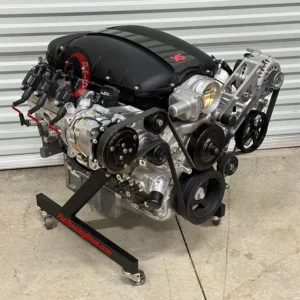
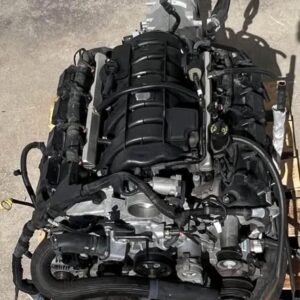
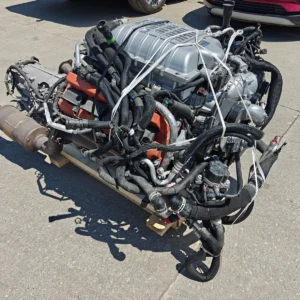
A dropout is a complete powertrain pulled from a donor vehicle, generally removed as one operating group rather than broken down into unrelated pieces. The basic package usually includes the engine and transmission. Depending on the donor, listing, and package level, it may also include the torque converter, transfer case, wiring harness, ECU, exhaust manifolds, accessory drive, intake components, starter, alternator, A/C compressor, and pedals or modules.
That word – may – is where smart buyers pay attention. There is no universal definition of a complete dropout. One package may be an engine, transmission, and converter. Another may arrive with the harness, ECU, accessories, shifter, transfer case, and nearly every piece needed to make the drivetrain run. Do not assume a photo tells the whole story. Confirm exactly what is included before you plan the build around it.
For a direct replacement, an assembly close to the original drivetrain configuration can reduce labor and troubleshooting. For an LS swap, Coyote build, Hemi conversion, or BMW powertrain replacement, a more complete package gives you a better starting point because the engine management and transmission were designed to work together in the donor vehicle.
Why Complete Powertrains Save Real Time
The engine is only one part of the job. A powertrain swap can get expensive fast when overlooked components start adding up: a compatible transmission, flexplate, converter, engine harness, ECU, accelerator pedal, sensors, accessory brackets, and cooling or exhaust connections. Buying those items one at a time can create a parts list that is bigger than expected.
A well-matched dropout cuts down on that chase. It also gives you a clear reference point when connecting wiring, routing accessories, and diagnosing a no-start condition. If the ECU, harness, sensors, and engine came from the same application, you are not trying to make several unknown components communicate for the first time in your garage.
That does not mean every dropout is plug-and-play. A donor drivetrain from a late-model truck may need a standalone harness, security system changes, a modified oil pan, custom mounts, or a different accessory layout in an older muscle car. The advantage is not that the swap becomes effortless. The advantage is that you begin with a proven system instead of a pile of unrelated parts.
Match the Assembly to the Job
The best package depends on whether you are replacing factory power, rebuilding a work truck, restoring a classic, or chasing more horsepower. A direct replacement buyer should put fitment first. Match the engine code, model year range, drive configuration, emissions equipment, and transmission type before comparing price alone. Small changes between years can affect sensors, modules, fuel systems, and wiring connectors.
Swap builders have more flexibility, but they should decide where flexibility ends. A 5.3L LS truck assembly is popular because it can make dependable power without the price of a high-end crate engine. Yet the truck oil pan, intake height, accessory drive, and transmission length may not fit every chassis. A complete pullout is still a strong value, but only if you budget for the parts that adapt it to your vehicle.
Ford buyers should look closely at whether the package is a modular V8, EcoBoost, Coyote, or Godzilla-based setup, along with the transmission that came behind it. Dodge and Ram projects need the same attention around Hemi generation, electronics, and transmission controls. For BMW replacements, the engine family, turbo configuration, fuel system, and original vehicle electronics matter just as much as mileage.
A lower-mileage engine can be a great find, but mileage is one part of the decision. A higher-mileage assembly with clear donor information and complete accessories may be more useful than a low-mileage long block that forces you to source everything else. Buy for the full job, not just the odometer number.
Questions to Ask Before You Buy
Before committing to a dropout engine assembly for sale, get the details that determine whether it belongs in your vehicle. A reputable listing should make it easier to identify the donor application, powertrain configuration, and included components. If a critical item is not stated, ask before purchase rather than assuming it is in the crate.
Use this quick verification list when comparing packages:
- Confirm the engine code, displacement, VIN position when applicable, and donor year range.
- Verify whether the transmission, torque converter, transfer case, and shifter components are included.
- Ask if the engine harness, ECU, key, immobilizer-related parts, and accelerator pedal are part of the assembly.
- Check mileage, compression or test information when available, and the condition of major external components.
- Review shipping, warranty coverage, return requirements, and what must be reported at delivery.
The electronics deserve special attention on late-model swaps. An ECU without the matching harness is not the same value as an ECU, harness, pedal, and matching sensor set. Likewise, a transmission may be physically included but still require a controller or programming strategy for your application. Get that answer early, especially if your goal is a fast turnaround.
Plan for the Parts That Are Not Included
Even the most complete assembly will need installation parts. Mounts, a fuel system, radiator connections, exhaust fabrication, driveshaft work, cooling fans, gauges, and calibration are common items on swaps. Direct replacements can need fluids, filters, seals, hoses, and fresh wear parts while access is easy.
This is not a reason to avoid a dropout. It is a reason to build an honest budget. The engine and transmission may be the center of the project, but the supporting components decide how cleanly it goes together. If you are swapping into a different chassis, measure engine bay clearance and transmission tunnel space before ordering. Check oil pan depth, front accessory clearance, steering shaft location, crossmember placement, and driveshaft requirements.
For shops, a complete package can make labor estimates more predictable. For home builders, it helps prevent the classic mid-project stall caused by one missing module or sensor. Either way, spend a few minutes mapping the installation before the freight delivery arrives.
Inspect the Assembly When It Arrives
Freight delivery is the point where careful buyers protect the project. Inspect the crate or pallet before signing off. Note visible damage, take photos, and document anything that appears broken, missing, or shifted during transit. Do not throw away packaging until the assembly has been checked against the order.
Once it is safely in the shop, compare the package with the listing and invoice. Look over connectors, harness sections, transmission case, accessory brackets, intake parts, and sensors. If you plan to refresh service items, now is the time for spark plugs, belts, gaskets, filters, and rear main seal work as appropriate. Replacing accessible wear parts before installation is usually cheaper than revisiting them after the engine is in the vehicle.
Get the Right Package and Keep the Project Moving
The best dropout package is not automatically the cheapest one or the one with the longest accessory list. It is the one that matches your vehicle, includes the parts your plan actually needs, and leaves room in the budget for installation details. A direct-fit replacement may call for factory-correct compatibility. A street build may benefit from a complete engine-and-transmission pullout that gives you a stronger foundation for custom work.
Swap Engine Vault is built for buyers who would rather source a real powertrain package than spend weeks piecing one together. Verify the fitment, know what comes with the assembly, and choose the package that moves your build forward. The right drivetrain should create momentum, not another parts hunt.


One Comment