
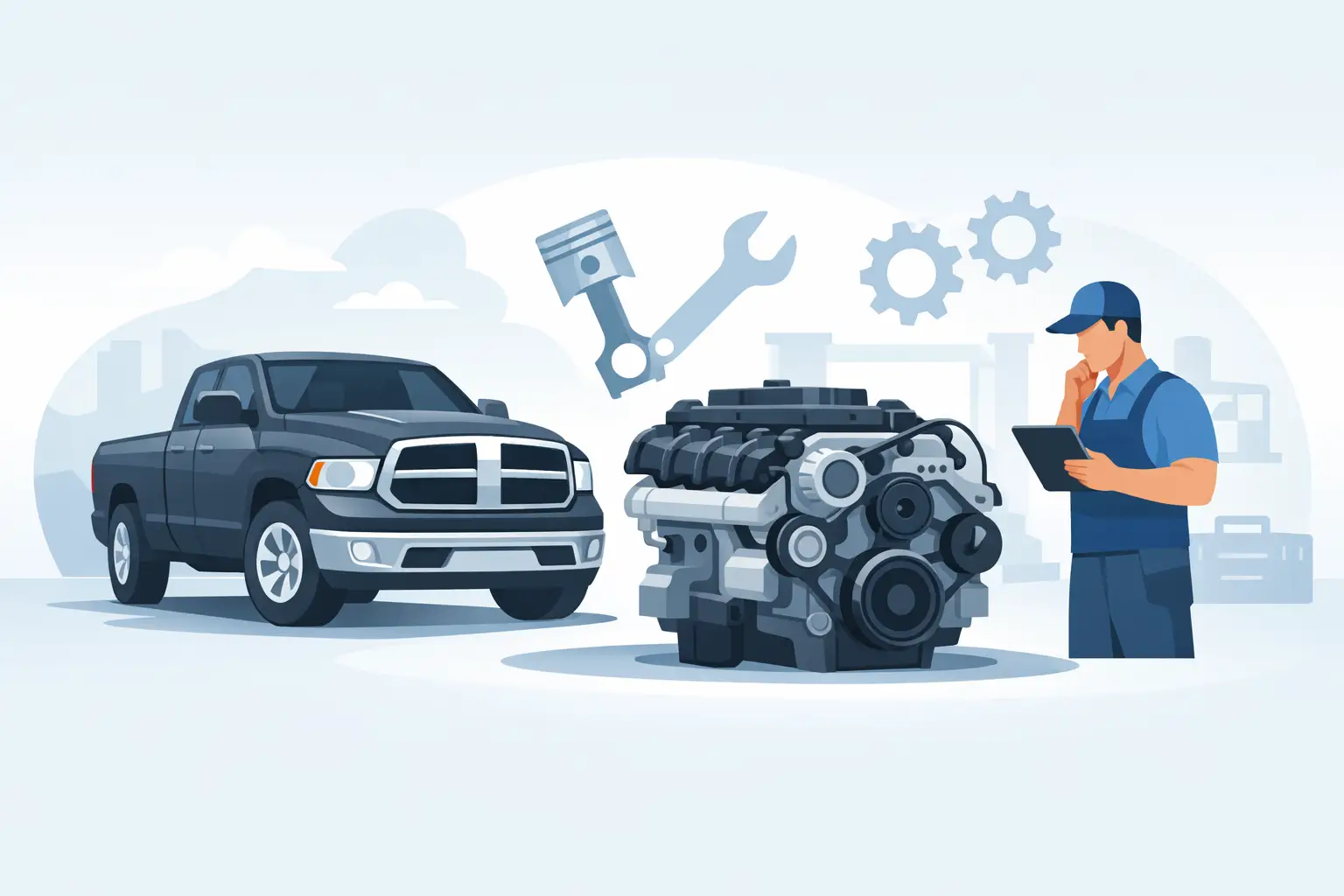
A Ram that starts knocking, smoking, losing oil pressure, or throwing metal through the filter does not need more guesswork. It needs a real plan. The right dodge ram replacement engine can put a work truck, daily driver, tow rig, or project build back on the road without wasting money on parts that do not match.
For some owners, the goal is simple: replace a failed engine and get back to hauling. For others, this is the moment to step up to a stronger powerplant, pair it with a transmission, and build the truck they wanted all along. Either way, fitment comes first, then condition, mileage, package contents, and the actual work required to install it.
Start With the Engine You Actually Have
“Ram engine” is not enough information to buy the right replacement. Dodge and Ram trucks have used multiple engine families across several generations, and small differences can turn a promising deal into a major install problem. Before shopping, confirm the model year, VIN, engine size, drivetrain, emissions configuration, and transmission type.
Common gasoline applications include the 3.6L Pentastar V6, 3.7L V6, 4.7L V8, 5.2L Magnum, 5.9L Magnum, 5.7L HEMI, 6.1L HEMI, 6.4L HEMI, and 6.2L supercharged Hellcat HEMI. Diesel Ram owners may be looking for a 5.9L or 6.7L Cummins. Those engines are not remotely interchangeable without substantial planning, parts, wiring, and calibration work.
A 5.7L HEMI is one of the most common replacement choices, but even that name does not settle fitment. Generation, cylinder deactivation equipment, variable valve timing, sensor locations, exhaust manifolds, accessory drives, intake setup, and ECU compatibility can vary. Match the donor engine to your truck’s original configuration whenever you want the cleanest replacement path.
The VIN is your best starting point. Use it alongside the underhood emissions label and the casting or identification information on the existing engine. If your shop has already diagnosed the failure, ask whether the replacement needs to include specific components, such as the oil pan, intake manifold, flexplate, exhaust manifolds, or front accessory drive.
Choose a Dodge Ram Replacement Engine That Matches the Job
There is no single “best” engine source for every Ram owner. The right choice depends on your truck’s condition, budget, timeline, and intended use.
A lower-mileage used engine is often a strong value when the truck is otherwise solid and you need a practical replacement. It can get a daily-driven Ram moving again for less than a full rebuild, especially when the engine comes from a verified donor with clear mileage information. The trade-off is that a used engine may need transferred components or fresh wear items before installation.
A remanufactured engine makes sense when long-term reliability and renewed internal components matter more than upfront savings. It can be the better route for a truck you plan to keep, but buyers should understand exactly what is included. “Remanufactured” can mean different things depending on the supplier, so verify the build specifications and warranty terms before committing.
A new crate engine is usually the premium option. It is ideal for restoration builds, high-value trucks, performance projects, or situations where you want a fresh foundation with known specifications. It also costs more, and it may require additional parts before it becomes a complete running package.
For many customers, a complete engine-and-transmission package is the fastest answer. Matching a powertrain assembly reduces the headache of combining an engine from one donor with a transmission, torque converter, electronics, or transfer case arrangement from another. If your existing transmission has high mileage or suffered damage after an engine failure, a package can prevent a second teardown six months later.
Do Not Buy on Engine Size Alone
A same-displacement engine can still create expensive problems. The smart purchase is based on what transfers over, what stays with the replacement engine, and what must be sourced separately.
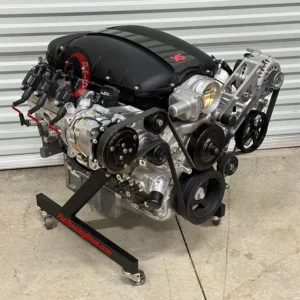
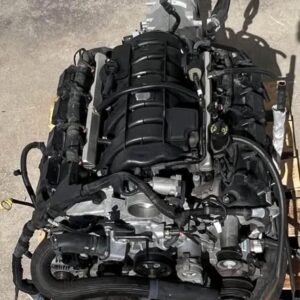
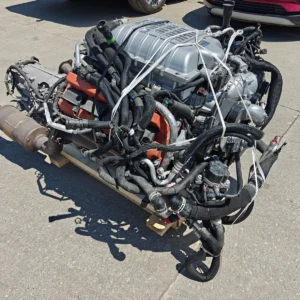
Ask whether the engine is sold as a long block, complete engine, dropout assembly, or engine-transmission package. A long block generally includes the block, rotating assembly, heads, and valvetrain, but not necessarily the intake, injectors, throttle body, accessories, manifolds, or wiring. A complete dropout can include far more of the parts needed for a swap or replacement, but exact contents must always be confirmed.
Pay close attention to these fitment points:
- Oil pan and pickup tube configuration, especially on 2WD versus 4WD trucks
- Intake manifold, throttle body, injectors, and fuel system compatibility
- Harness, sensors, ECU, and immobilizer requirements
- Exhaust manifold placement and emissions equipment
- Flexplate, flywheel, torque converter, and transmission pairing
- Accessory brackets for the alternator, A/C compressor, and power steering
This is where a cheap engine can stop being cheap. An engine that needs a different wiring harness, computer, accessory setup, and exhaust configuration may still work, but it is now a swap project rather than a direct replacement.
HEMI Replacement: Check the Details Before Checkout
HEMI-powered Rams bring serious torque and strong aftermarket support, but they also demand careful matching. If your truck originally came with a 5.7L HEMI, find out whether it uses MDS cylinder deactivation and VVT. Those systems affect the camshaft, lifters, wiring, ECU strategy, and related components.
A replacement engine with a lifter failure history should not be treated as a simple bolt-in without inspection. HEMI lifter and cam damage can send debris through the oiling system. Before installing a replacement, inspect or replace the oil cooler as applicable, clean the intake and exhaust paths, service the oil system, and make sure the original failure did not leave contamination in components you plan to reuse.
A 6.4L HEMI can be an exciting upgrade for the right build, but it is not a shortcut for every 5.7L truck. Expect compatibility questions around electronics, fuel delivery, exhaust, transmission calibration, cooling, and emissions compliance. Bigger power needs a complete plan.
Diesel Ram Buyers: Protect the Whole Fuel System
For Cummins-equipped trucks, the engine itself is only part of the purchase decision. A fuel-system failure can contaminate lines, rails, injectors, pumps, and tanks. Installing a replacement diesel engine without addressing the source of contamination can put the new powerplant at risk immediately.
Confirm the generation of the Cummins, emissions equipment requirements, turbocharger condition, injection system compatibility, and transmission condition. A high-torque diesel can expose a weak transmission, worn converter, or tired transfer case quickly. If the truck is used for towing, it pays to think beyond the engine bay and inspect the full drivetrain before the replacement goes in.
Build the Installation Budget Before You Order
The engine purchase is a major line item, but it is rarely the only one. A clean installation usually includes new fluids, filters, gaskets, plugs, belts, hoses, motor mounts as needed, and fresh coolant. Depending on the truck, you may also need a water pump, thermostat, oil pump, timing components, exhaust hardware, or upgraded cooling parts.
Plan for labor realistically. A direct replacement with a matching engine can be efficient for an experienced shop. A swap involving different electronics, transmission changes, or custom exhaust takes more time. If a quote looks unusually low, ask what it excludes. Programming, module setup, replacement sensors, broken fasteners, and transfer parts can add up fast.
This is also the right time to handle parts that are hard to reach with the engine removed. Rear main seals, torque converters, transmission front seals, engine mounts, exhaust manifold hardware, and cooling-system service are far easier now than after the truck is reassembled.
Shop With a Checklist, Not a Hopeful Guess
Before you commit, get answers in writing. Confirm the donor year and application, engine code, mileage, compression or test information if available, included accessories, transmission details, warranty coverage, shipping process, and return policy. Photos matter, but a clear inventory description matters more.
At Swap Engine Vault, shoppers can compare replacement engines, performance options, and complete powertrain packages without hunting through disconnected listings. That matters when your Ram is stuck in a bay, your project is taking up the garage, or your customer needs the truck back for work.
Do not let urgency push you into an unknown assembly. Move fast, but buy the configuration that fits your truck, your budget, and the way you use it. A properly matched Ram engine package turns a breakdown into a fresh start – and gives you a reason to put the key in the ignition with confidence again.


One Comment