
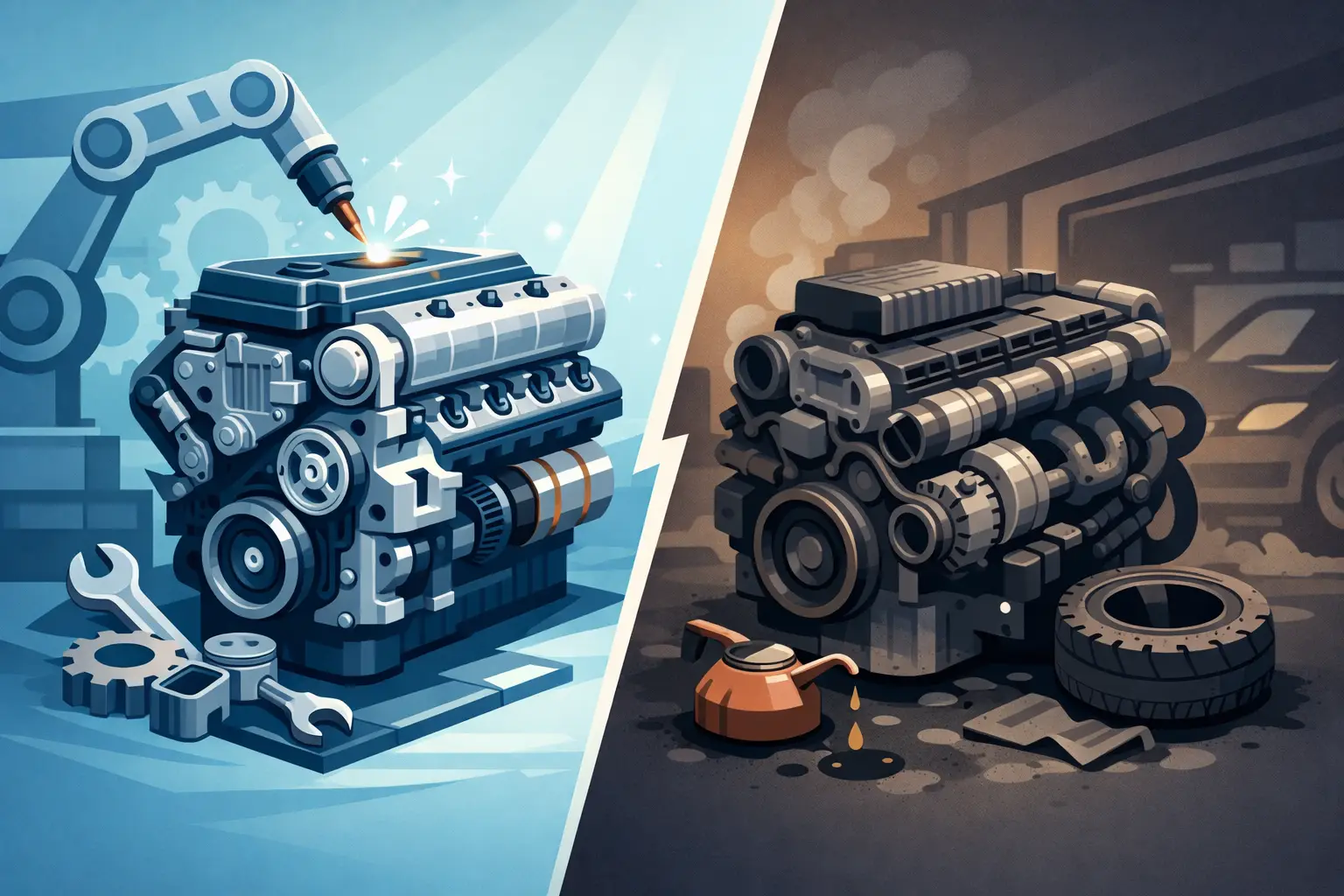
That blown motor puts you on the clock fast. You need your truck, daily driver, project car, or shop job moving again, and the remanufactured engine vs used engine decision usually comes down to three things – budget, risk, and how long you want this fix to last.
Some buyers want the cheapest path back on the road. Others want to install it once and be done. Both approaches can make sense, but they are not the same purchase. If you know what you are buying, what shape the rest of the vehicle is in, and how much downtime costs you, the right answer gets a whole lot clearer.
Remanufactured engine vs used engine: what changes?
A used engine is exactly what it sounds like – a take-out motor pulled from another vehicle and sold in running condition or as-tested condition, usually with mileage attached. In many cases, that engine came from a wrecked, salvaged, or retired vehicle. The biggest selling point is simple: lower upfront cost.
A remanufactured engine has been torn down, inspected, machined, rebuilt to spec, and reassembled with replacement parts where needed. That usually means new wear components such as bearings, rings, seals, gaskets, and sometimes oil pumps, timing components, pistons, or valvetrain parts depending on the rebuild standard. The goal is not just to resell an old engine. The goal is to restore it to a dependable operating condition.
That difference matters because you are not just buying horsepower. You are buying a level of certainty.
Price is the first thing people look at
If your engine failed and money is tight, a used engine is often the fastest way to stop the bleeding. The sticker price is usually lower, and for many older vehicles that is enough to make the call. If the car is worth a modest amount, it can be hard to justify spending premium money on a reman unit.
But the lowest listed price is not always the lowest total cost. A used engine may save money up front, yet still carry unknown wear in the rings, bearings, seals, valve guides, or timing system. If that engine has issues after installation, labor hits twice. That is where a cheap replacement can get expensive fast.
A remanufactured engine usually costs more because more work has already been done to it. You are paying for machine work, updated components, testing, and a product that has had major wear items addressed before it gets to your garage or your shop. For buyers who plan to keep the vehicle, that extra cost often makes more sense than gambling on another high-mileage take-out.
Used engines make sense more often than people admit
There is a reason used engines sell every day. They solve real problems.
If you have a high-mileage work truck, an older SUV, or a budget commuter, a good used engine can be the right move. The same goes for project builds where you want a solid core, a swap candidate, or a complete dropout assembly with accessories and possibly a matched transmission. For builders and shops, that kind of package can save serious time.
Used is also attractive when availability matters more than perfection. Some engines are simply easier to source as take-outs than as reman units, especially certain swap-friendly platforms and drivetrain packages. If the priority is getting a vehicle moving without waiting on a rebuild cycle, used inventory has an advantage.
The catch is that quality varies. Mileage, maintenance history, compression, leakdown, oil condition, donor vehicle damage, and storage conditions all matter. One used engine might be a smart buy. Another might be one overheating event away from becoming your next problem.
Why remanufactured engines win on peace of mind
A remanufactured engine costs more because it aims to remove more unknowns. That matters for owners who cannot afford a comeback.
If you are repairing a vehicle you plan to keep for years, or you are a shop trying to protect your labor and reputation, reman starts looking strong. You are not relying on what the previous owner did or did not do. You are buying an engine that has been opened up, measured, corrected, and rebuilt around known tolerances.
That does not mean every reman engine is identical. Standards differ between suppliers, and the parts replaced can vary. But in general, reman gives you a better shot at long-term stability because the core wear areas have already been addressed.
For daily drivers, family SUVs, and commercial vehicles, that reliability can be worth every dollar. For a customer who says, “I do not want to do this job twice,” reman is usually the answer.
Remanufactured engine vs used engine for lifespan
This is where the gap becomes obvious.
A used engine may have plenty of life left, especially if it came from a low-mileage donor and was properly tested. There are excellent used motors in the market. But it still starts its next chapter with whatever wear it already has. You are stepping into the middle of its life, not the beginning.
A remanufactured engine resets more of that wear equation. Because internal components and machine surfaces are refreshed, its expected service life is usually stronger than a standard used engine, assuming proper installation and maintenance. That makes it appealing for buyers who want dependable long-term value instead of a temporary patch.
The real-world answer depends on the specific engine family, how well it was rebuilt, and how well it gets installed. A sloppy reman is still a problem. A clean, low-mileage used engine can still be a win. But if you are asking which option is generally better for lifespan, reman usually takes it.
Warranty changes the conversation
Warranty is not just paperwork. It tells you how much risk the seller is willing to stand behind.
Used engines often come with shorter coverage and more limitations. That is not automatically bad, but you need to read what is actually included. Some warranties cover parts only. Some require specific install procedures, proof of maintenance items replaced, or professional installation. Some are very short because the seller knows the product is still a used take-out.
Remanufactured engines often carry stronger warranty terms because the internals have already been serviced and the supplier has more confidence in the package. For shops, that matters. For retail buyers, it matters even more if labor is a major part of the bill.
When comparing two engines, do not stop at the sale price. Ask what happens if there is a problem after 500 miles, 5,000 miles, or six months. That answer can swing the whole decision.
Fitment, accessories, and complete packages matter more than most buyers expect
A replacement engine is never just a block with cylinders. Fitment details can make or break the job.
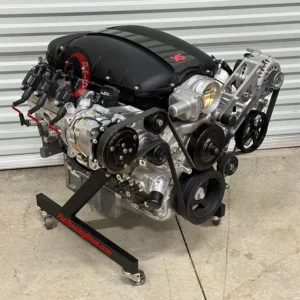
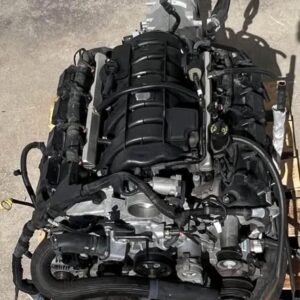
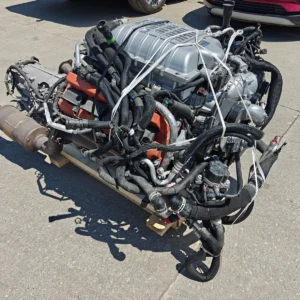
Used engines are often sold as complete take-outs or dropouts, which can be a big advantage for swaps and straightforward replacements. You may get intake components, front accessories, wiring, sensors, and sometimes a transmission. That can reduce parts chasing and save time during install.
Remanufactured engines are often sold as long blocks or base engine assemblies, which can mean transferring accessories and external components from your original engine. That is not a deal breaker, but it does affect labor planning, final cost, and turnaround time.
This is one reason buyers working on LS swaps, truck rebuilds, or engine-transmission conversions often think beyond the remanufactured engine vs used engine debate and focus on the whole package. The best option is the one that fits the build, not just the one with the nicest label.
Which buyer should choose which option?
If your goal is maximum value up front, your vehicle has limited resale value, or you need a practical fix without stretching the budget, a used engine can be the smart move. It is also a strong option when you want a complete take-out package for a swap or replacement and the mileage, testing, and fitment all check out.
If your goal is long-term reliability, stronger warranty support, and fewer unknowns inside the engine, remanufactured usually earns the higher price. It is especially attractive for daily drivers, vehicles you plan to keep, and shop installs where repeat labor is the real cost killer.
That is why serious buyers do not ask only, “Which one is cheaper?” They ask, “What problem am I solving, and how many times do I want to solve it?”
For a lot of builds, the answer points to used. For a lot of replacements, it points to reman. And for buyers who want one place to compare both without bouncing between salvage listings and random sellers, that is exactly where a catalog-driven source like Swap Engine Vault starts saving time before the engine even ships.
The smartest buy is the one that matches your timeline, your budget, and how much risk you are willing to carry after the install. Buy for the job you actually have, not the price tag that looks best for five minutes.


3 Comments