

That cheap replacement engine stops looking cheap the second it shows up with the wrong fitment, unknown history, or wear that was hidden behind a fresh wash. That is why a used engine with low mileage gets so much attention from truck owners, DIY builders, and repair shops – it promises better life left in the motor without the price jump of a brand-new or reman unit.
For a lot of buyers, that promise is real. A lower-mile engine can be the smartest move when you need to get a daily driver back on the road, finish a swap without draining the budget, or replace a failed powertrain fast. But mileage alone does not make an engine a win. The smart buy comes down to fitment, provenance, package value, and how the engine will actually be used.
Why a used engine with low mileage stands out
The main appeal is simple – more usable life for less money. If an engine has significantly fewer miles than the one you are replacing, you are usually buying into less wear on rotating parts, less time on seals and gaskets, and a better shot at long-term reliability.
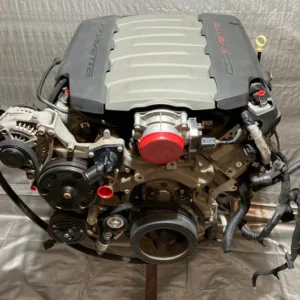
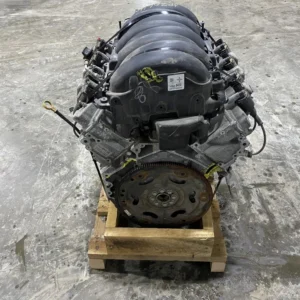
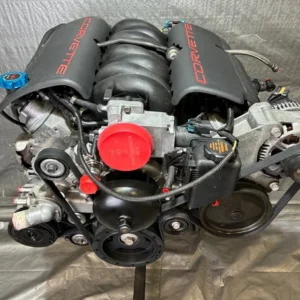
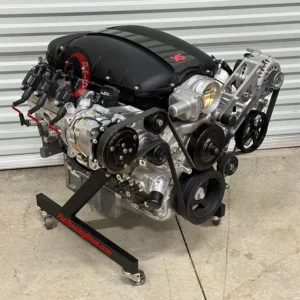
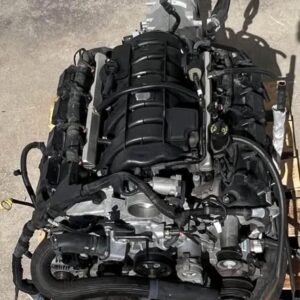
That matters even more when the alternative is rebuilding a tired engine with machine shop costs, parts delays, and labor stacking up fast. For many domestic trucks, muscle cars, and popular swap platforms, a clean used takeout with lower mileage can get you back in business quicker than a full rebuild. If you are shopping for an LS, a Chevy small block, a Ford truck engine, a Hemi, or a BMW powerplant, lower mileage often means less guesswork than gambling on a high-mile core.
There is also resale value to think about. If you are repairing a vehicle you plan to keep, a lower-mile replacement can buy peace of mind. If you are fixing one to sell, documented lower mileage on the replacement engine can make the vehicle easier to move.
Mileage matters, but it is not the whole deal
This is where buyers get tripped up. A 62,000-mile engine that was neglected, overheated, or pulled from a flood-damaged vehicle is not automatically better than a 105,000-mile engine that was maintained properly. Mileage is a strong filter, not a complete diagnosis.
Condition still wins. You want to know how the engine was sourced, whether it was tested or inspected, what accessories are included, and whether the engine came from a running vehicle. Compression data, oil condition, visible damage, and whether the harness, intake, or transmission pairing is included can change the value fast.
Usage matters too. A used engine with low mileage for a stock replacement job is one thing. A lower-mile engine going into a performance build or swap project is another. In a stock daily driver, lower mileage may be enough to justify the buy if the fitment is right. In a boosted build or aggressive street setup, you need to think beyond miles and look at platform strength, version differences, and what supporting parts you will need.
How to shop for a used engine with low mileage
Start with exact fitment, not just engine family. Too many buyers stop at displacement. A 5.3L is not just a 5.3L, and the same goes for EcoBoost, Hemi, modular Ford, or BMW applications. Year range, VIN code, emissions setup, sensors, oil pan style, drive accessories, and ECU compatibility can all affect whether the engine is truly plug-and-play or a project in disguise.
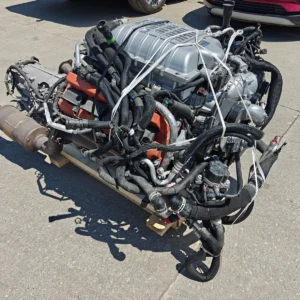
Next, look at what comes with it. A bare long block may look cheaper upfront, but once you add manifolds, accessories, harnesses, ECU pieces, or a transmission, the math can swing hard. Complete dropout assemblies and engine-transmission packages often save time, reduce parts chasing, and remove some of the compatibility risk. If the goal is convenience, a more complete package is usually the smarter play.
After that, ask the right questions. Was the engine run and tested before removal? Is the mileage documented? Are there signs of sludge, impact damage, broken tabs, or missing sensors? Was it pulled from a collision vehicle or a non-runner? These are not small details. They are the difference between installing confidence and installing a problem.
The best scenarios for buying low-mile used
If your current engine failed suddenly and the rest of the vehicle is solid, this is where low-mile used engines shine. You can avoid rebuild downtime, skip the price premium of remanufactured inventory, and get the vehicle back to work with a powerplant that still has good service life ahead.
They also make a lot of sense for swaps where buyers want factory reliability with better value. A lower-mile LS or modern truck engine gives builders a stronger starting point than a mystery motor from a local yard. If you can source an engine with the transmission, harness, and key supporting components together, the build usually goes smoother.
Independent shops like them for another reason – predictability. A more complete, lower-mile assembly can cut labor surprises. That helps the shop protect its time and helps the customer avoid a repair bill that balloons halfway through the job.
When low mileage is not enough
There are times when the lowest-mile option is not the best buy. If the engine is scarce, overpriced, or incomplete, you may be paying a premium for a number on paper instead of real value. That happens a lot with in-demand performance platforms and popular truck engines.
If your project is already deep into custom fabrication, tuning, and upgrades, a remanufactured or built engine may make more sense. The lower-mile used option can be great, but it is still a used engine. Seals age. Sensors fail. Plastic connectors get brittle. For high-horsepower goals, that matters.
There is also a point where package completeness beats mileage. An 85,000-mile engine with the right transmission, accessories, and verified fitment may be a better overall buy than a 50,000-mile long block that leaves you sourcing everything else separately. Faster install, fewer missing parts, and less compatibility drama often save more than chasing the lowest number.
Red flags that should slow you down
Be careful with vague listings. If the seller leans hard on low mileage but says little about fitment, testing, or included components, that is a warning sign. Serious engine buyers need more than a mileage claim and one blurry photo.
Watch for pricing that seems too perfect. A true lower-mile engine, especially in hot categories, holds value. Deep discounts can absolutely happen, but if the deal looks wildly below market, make sure you understand what is missing or unknown.
Also pay attention to how the engine is described. Terms like complete, turnkey, or drop-in are thrown around loosely. One seller’s complete engine may not include the exact pieces your build needs. Always verify what is physically included before you buy.
Why package deals can beat piecing it together
For many buyers, the smartest purchase is not just the engine. It is the engine plus transmission, or even a full dropout assembly with the supporting hardware that keeps the project moving. That matters because a replacement job is never just about the block. It is about reducing downtime, labor friction, and surprise sourcing.
A bundled setup can simplify fitment decisions and help you avoid buying mismatched components one by one. That is especially true for swaps, truck rebuilds, and modern engine replacements where electronics and transmission compatibility are part of the equation. Swap Engine Vault built its inventory around exactly that kind of practical buyer logic – get the right powertrain package, not just a random engine, and keep the job moving.
What smart buyers prioritize before checkout
The best buyers stay focused on four things: fitment accuracy, documented mileage, package completeness, and realistic use case. If the engine matches your application, the mileage is supported, the included parts line up with your install plan, and the price fits the job, you are in strong territory.
Do not buy based on mileage alone, and do not ignore mileage either. It is one of the clearest value indicators in the used market, but only when it is paired with the right sourcing and the right package. A lower-mile engine should make your project easier, not create a second project.
If you are shopping for a replacement or planning a swap, the winning move is not finding the cheapest engine on the screen. It is finding the one that gets your vehicle running strong with the fewest surprises after the pallet lands.


4 Comments