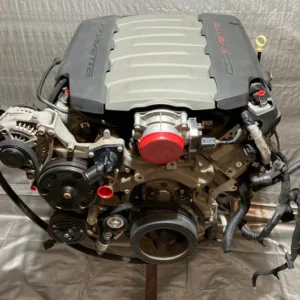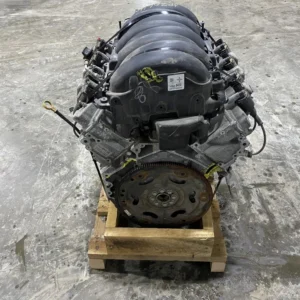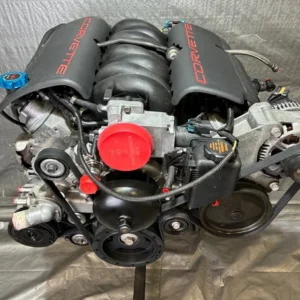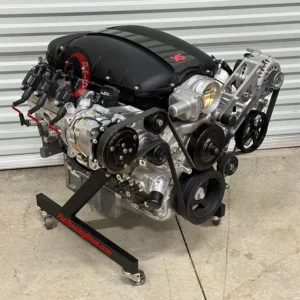
A Mustang engine swap kit package can turn a stalled project into a hard-running street car, but only when the parts work together. The engine is the headline. The transmission, mounts, wiring, oil pan, accessory drive, cooling layout, fuel system, and computer are what determine whether the swap fires up cleanly or sits unfinished in the garage.
For builders replacing a tired factory engine, chasing more horsepower, or bringing an older Fox Body into modern performance territory, buying the right package saves time and prevents expensive re-orders. Start with the chassis, define the goal, then source a powertrain package that matches both.
What Comes With a Mustang Engine Swap Kit Package?
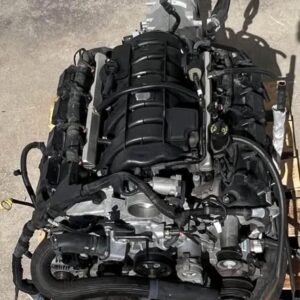
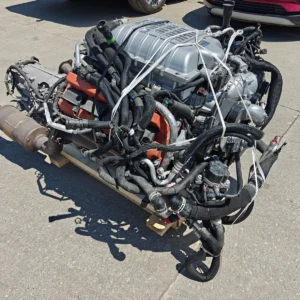
The phrase Mustang engine swap kit package can mean very different things depending on the seller and the engine platform. Some packages are complete engine and transmission dropouts with factory accessories, harnesses, ECU, and pedals. Others include only the engine, transmission, and basic swap hardware. Neither option is automatically better. The right one depends on how much fabrication, wiring, and sourcing you are prepared to handle.
A strong swap package usually begins with the major drivetrain pieces: an engine, the correct transmission, torque converter or clutch components, and a compatible wiring and computer solution. From there, builders commonly need swap-specific mounts, a transmission crossmember, an oil pan that clears the Mustang chassis, headers or exhaust manifolds, and a driveshaft plan.
Do not assume every item is included just because the listing says complete. Confirm the actual contents before buying. Ask whether the engine comes with accessories, starter, intake, throttle body, exhaust manifolds, alternator, A/C compressor, ECU, harness, fuse box, transmission controller, sensors, and pedal assembly. Those details decide the real cost of the build.
Pick the Engine Around Your Mustang and Your Goal
A 1967 fastback, a Fox Body notchback, a 1999 New Edge GT, and a 2015 S550 are all Mustangs, but they are not the same swap project. Engine bay dimensions, suspension layout, electronics, fuel delivery, brake systems, and emissions rules all change the parts list.
Coyote swaps for modern Ford power
A 5.0L Coyote is a popular answer for builders who want high-revving Ford performance, strong naturally aspirated power, and modern drivability. It makes serious sense in restomod classics and Fox Body builds, especially when the goal is a clean Ford-powered street machine.
The trade-off is packaging and electronics. Coyotes are physically wide, wiring is more involved than an older pushrod engine, and accessory placement matters. You will need to verify engine generation, control pack compatibility, transmission pairing, oil pan clearance, and exhaust routing. A Gen 2 or Gen 3 setup can be a great buy, but it is not a plug-and-play replacement for every Mustang.
LS swaps for power, parts availability, and value
An LS swap remains one of the most practical routes for builders who want broad parts support, compact pushrod packaging, and easy access to performance upgrades. A 5.3L truck engine can be a cost-effective starting point, while 6.0L and 6.2L options bring more displacement and stronger power potential.
The big advantage is the aftermarket. Mounts, oil pans, headers, wiring options, and transmission adapters are widely available for Fox Body and classic Mustang applications. The trade-off is clear: an LS-powered Mustang is not a Ford-purist build. For some owners, that matters. For others, dependable V8 power and straightforward parts sourcing matter more.
Pushrod Ford swaps for classic simplicity
A 302, 351W, or newer 5.0L-based pushrod build is often the cleanest choice for early Mustangs and Fox platforms that already use Ford small-block architecture. These setups can preserve the traditional character of the car while keeping fitment simpler than a wide modular or Coyote engine.
This route may not offer the factory refinement of a modern Coyote package, but it can deliver strong street performance with fewer electronics and less fabrication. If your priority is getting the car back on the road quickly, a compatible Ford pushrod package is often the smart move.
Transmission Choice Can Make or Break the Swap
An engine without a transmission plan is only half a project. Match the transmission to the engine, power level, intended use, and electronics before you commit.
A manual transmission suits drivers who want a traditional Mustang feel, but it adds clutch hydraulics, pedal, bellhousing, flywheel, starter, and tunnel-clearance questions. Automatics can be excellent for street builds, drag setups, and daily-driven cars, especially when paired with a matching torque converter and controller.
For example, a Coyote paired with a modern automatic may require factory modules or an aftermarket controller. An LS with a 4L60E, 4L80E, or 6L80 needs the correct computer and wiring strategy. A manual gearbox may reduce controller requirements, but it does not eliminate the need to solve clutch actuation and driveshaft length.
Buying an engine-transmission package from the same donor or matched inventory is a major advantage. You get a drivetrain designed to operate together instead of gambling on parts from unrelated applications. That is exactly why complete packages move projects forward faster.
Fitment Parts You Should Price Before Ordering
The engine package may be the biggest purchase, but the supporting hardware sets the final budget. Before you buy, price the swap around the engine rather than stopping at the advertised drivetrain cost.
Your build may need the following:
- Engine mounts and frame brackets made for your Mustang chassis and chosen engine
- Transmission crossmember, mount, shifter location solution, and custom-length driveshaft
- Swap oil pan and pickup tube for crossmember and steering clearance
- Headers, steering-shaft clearance components, exhaust fabrication, and O2 sensor provisions
- Fuel pump, regulator, filters, lines, injectors, and tank modifications as required
- Radiator, fans, hoses, overflow tank, and cooling-system routing
- Harness, ECU, fuse box, pedal assembly, sensors, and tuning access
This is not a reason to avoid the swap. It is the reason to plan it correctly. A lower-priced engine can become expensive if it arrives missing the accessories, electronics, or hardware your specific Mustang needs. On the other hand, a higher-priced dropout with documented mileage, transmission, accessories, and wiring can reduce the number of unknowns dramatically.
Used, Remanufactured, or Crate: Choose the Right Starting Point
Used engines and complete donor dropouts are popular because they offer real factory powertrains at a more accessible entry price. For a street build, lower-mileage used inventory can deliver excellent value when you verify what is included and inspect the condition of the package.
A remanufactured engine is a better fit when long-term replacement reliability is the priority and you do not need the donor electronics or transmission. Crate engines are attractive for performance builds with defined horsepower targets, but they still require a complete installation plan. A crate engine does not magically include a working fuel system, transmission solution, or Mustang-specific mounts.
At Swap Engine Vault, the goal is simple: help builders source engines and engine-transmission packages without spending weeks piecing together a drivetrain from scattered listings. Whether you need a replacement Ford engine or a swap-ready V8 package, the best deal is the one that matches your build list from the start.
Verify These Details Before You Buy
Get the engine code, year range, mileage, transmission model, and included accessories in writing. Confirm whether the wiring harness and ECU are part of the package, and ask whether the engine was tested before removal when buying used. If a transmission is included, verify whether the torque converter, flexplate, shifter hardware, and transfer-case components are included or excluded.
Measure your engine bay and review the swap hardware available for your exact Mustang generation. A Fox Body LS mount kit does not automatically fit a 1965 Mustang, and a Coyote oil pan designed for one chassis may create clearance issues in another. Small fitment differences create big delays when the engine is already hanging from the hoist.
Also check local emissions and inspection requirements before choosing an engine year. Some states require the engine to be the same year or newer than the vehicle, retain emissions equipment, or meet donor-vehicle standards. A great powertrain package still has to be legal where you drive it.
The best Mustang swap is not the most expensive or the most talked-about option. It is the one that fits your chassis, supports your power goal, comes with the right supporting pieces, and gets your car running instead of turning it into another long-term garage project.