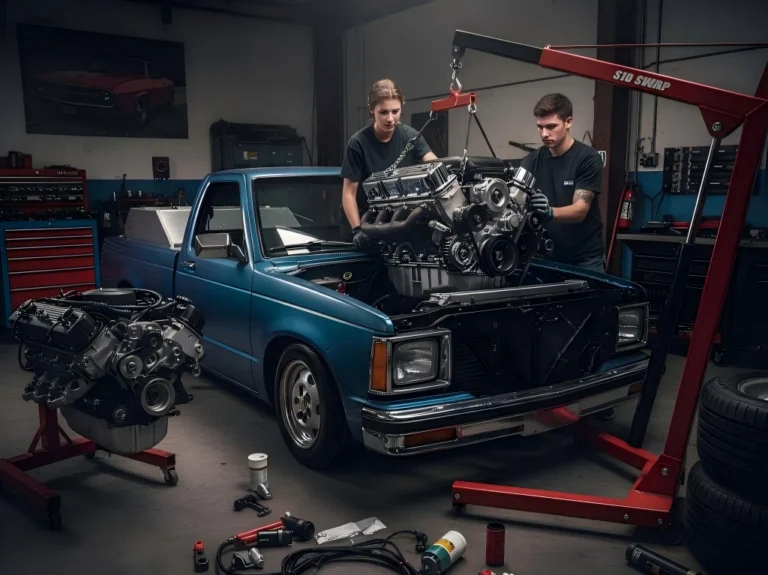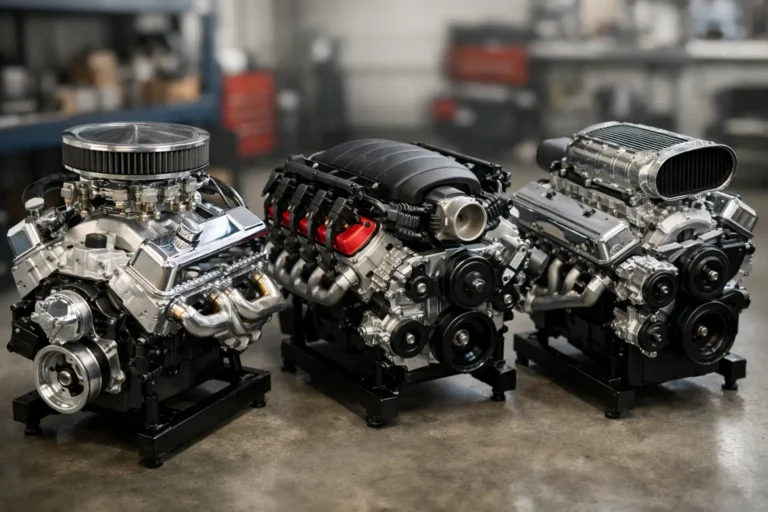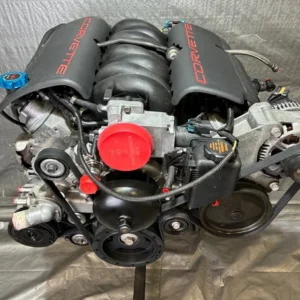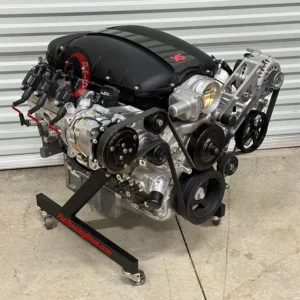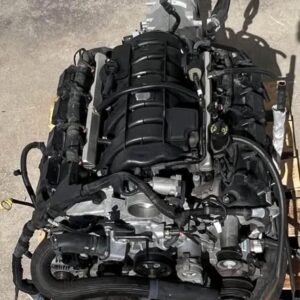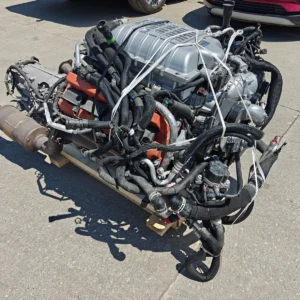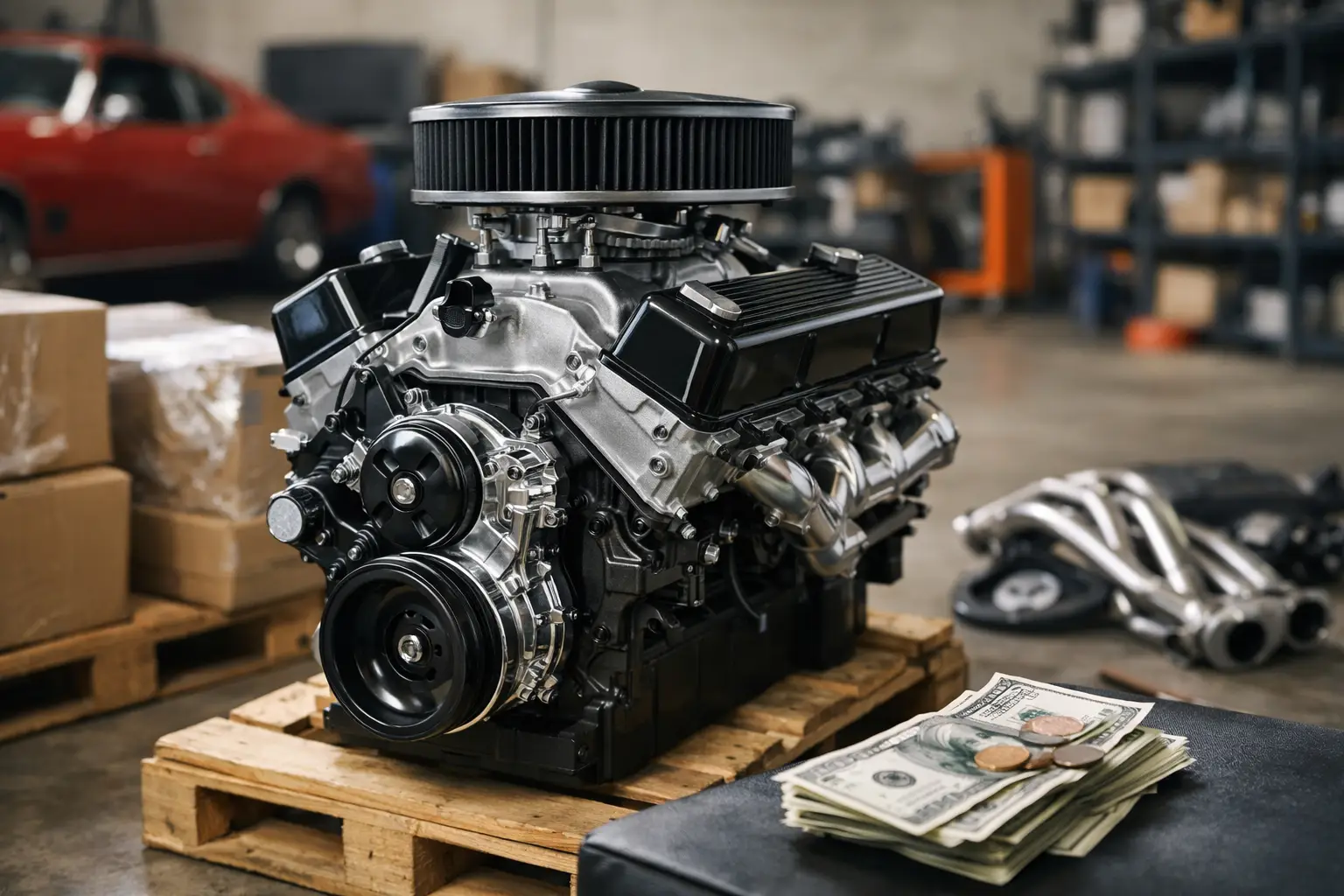
A cheap engine is only a deal if it gets your vehicle back on the road or puts your project where you want it to be. The best discount crate motor deals cut the cost of power without creating a second shopping list full of missing parts, fitment surprises, and last-minute machine-shop bills.
For a daily-driver replacement, an LS swap, a truck rebuild, or a street-performance build, the right package can save serious time. But price alone does not tell the whole story. Before you chase the lowest number, make sure you know exactly what is included, what it fits, and what it will take to fire it up.
What Makes a Crate Motor Deal Worth Buying?
A crate motor is attractive because it gives you a defined starting point. Instead of tracking down an unknown core, rebuilding it, and hoping every component checks out, you can buy an assembled engine configured for a particular purpose. That purpose might be a stock-style replacement, a high-output street build, or a swap foundation.
The value changes based on how complete the engine is. A long block generally includes the assembled block, rotating assembly, and cylinder heads. It may not include intake components, fuel delivery parts, ignition, accessories, flexplate or flywheel, sensors, wiring, an ECU, or a transmission. A turnkey package includes far more, but it will naturally carry a higher price.
That does not mean a long block is the wrong move. If you already have usable accessories, a compatible intake, and the right electronics, a lower-priced long block can be a smart buy. If your project is sitting on a lift and you need a faster path to a running vehicle, a complete engine-and-transmission package may deliver better value even when the sticker price is higher.
The strongest deal is the one that matches the parts you already own and eliminates the parts you would otherwise need to hunt down.
Compare Discount Crate Motor Deals by Package, Not Price
Two engines with similar advertised horsepower can have dramatically different real-world costs. One may be a bare long block. The other may include an intake, injectors, coils, accessories, harness, ECU, and transmission. Comparing their prices without comparing their contents is how a bargain becomes a budget blowout.
Start with the product description and confirm the engine configuration. Check displacement, engine family, fuel type, cylinder-head style, camshaft setup, compression ratio when listed, and whether the motor is built for carbureted or electronic fuel injection operation. These details affect power, tuning requirements, and what will bolt up.
Then confirm what comes with the purchase. For most builds, the major cost categories beyond the engine are straightforward:
- Intake manifold, throttle body, injectors, and fuel rails
- Wiring harness, ECU, sensors, and pedal setup for drive-by-wire applications
- Alternator, starter, power steering, A/C compressor, brackets, and pulleys
- Oil pan, pickup tube, exhaust manifolds or headers, mounts, and cooling components
- Flywheel or flexplate, torque converter or clutch parts, and a compatible transmission
You do not need every part to be included. You need a clear plan for every part. A swap-ready package can reduce guesswork because the engine and transmission are already matched. That matters for builders who do not want to gamble on bellhousing patterns, converter compatibility, electronics, or transmission condition.
Fitment Is Where the Real Savings Happen
The lowest-priced crate motor can still be expensive if it does not fit your chassis. Oil-pan clearance, accessory drive position, exhaust routing, steering linkage, hood height, transmission tunnel space, and engine-mount location all matter. A motor that is perfect for one truck platform may demand major fabrication in a classic car or another chassis.
For LS and Gen V swaps, confirm whether the engine uses a 24x or 58x reluctor setup if you are pairing it with existing electronics. Check cable throttle versus drive-by-wire. Verify the oil-pan style and front accessory spacing. Small details like these can determine whether your swap goes together cleanly or stalls while you wait for another round of parts.
Ford, Dodge/Ram, Chevy/GM, and BMW applications bring their own fitment questions. Match the engine to the model year range and drivetrain layout whenever possible. If you are replacing an original engine, identify the engine code, VIN information, transmission type, and emissions equipment before ordering. If you are building a custom project, identify your chassis, intended transmission, fuel system, and power target first.
A deal gets better when the seller provides clear application information, mileage when applicable, and package details you can actually use. That clarity saves shops labor hours and gives DIY builders fewer surprises in the garage.
New, Remanufactured, Used, or Performance Built?
There is no single best engine source for every build. The right choice depends on how you plan to use the vehicle, how quickly you need it running, and how much of the system you are replacing.
A new crate engine makes sense when you want fresh components, a known configuration, and a clean foundation for a build that will see regular use or added power. It is often the better choice for customers who value predictable condition over the lowest possible upfront price.
A remanufactured engine can be a practical replacement option when keeping a vehicle close to stock is the goal. It may provide a refreshed powerplant at a price that fits a repair-focused budget. The key is understanding the included components and warranty terms rather than assuming every reman package is identical.
A used low-mileage engine or complete dropout is often one of the strongest values for swaps and late-model replacements. These packages can include factory accessories, intake systems, wiring, ECUs, and transmissions that would cost far more if purchased separately. Mileage, condition, and package completeness matter here. A lower-mile engine with a matching transmission can be the move for a truck rebuild or a budget-minded LS conversion.
A performance-built crate motor is for the buyer who has a defined horsepower goal and the supporting parts to match. More power can mean more heat, more fuel demand, more drivetrain stress, and more tuning work. Do not buy a high-output engine just because the sale price looks aggressive if the rest of your vehicle is not ready for it.
Watch the Total Cost Before You Commit
Sale pricing gets attention, but shipping, core charges, taxes, liftgate needs, and supporting components should be part of the decision. Large powertrain purchases need practical delivery planning. Confirm whether you have a commercial address, forklift access, or a safe place to receive a palletized shipment.
Also budget for the items that turn an engine into a running vehicle. Fluids, filters, plugs, belts, hoses, motor mounts, a fuel pump, a radiator upgrade, exhaust work, tuning, and labor can add up fast. For replacement jobs, it is often smart to change hard-to-reach service parts while the engine is out. A rear main seal, water pump, mounts, sensors, and cooling hoses are easier to address now than after installation.
This is where complete packages earn their keep. Paying more up front for a matched engine and transmission can be less expensive than sourcing individual pieces from different sellers, paying repeated shipping costs, and discovering an incompatibility halfway through the job.
Buy for Your Finish Line
Before placing an order, define what “done” looks like. Is the goal a dependable work truck by next week? A clean LS swap with modern transmission control? A weekend cruiser with stronger street manners? Or a performance build that will eventually see boost, track use, or serious tire?
That answer should guide the package, not the other way around. For a straightforward replacement, prioritize correct fitment and a dependable configuration. For a swap, prioritize package completeness and compatibility. For a power build, prioritize the strength of the engine, fuel system needs, cooling capacity, tuning support, and drivetrain limits.
At Swap Engine Vault, the goal is simple: help buyers stop piecing together a powertrain search and start choosing a package that fits the job. A clear engine listing, visible package details, and a deal that matches your build can move a project from stalled to running.
Do not let a flashy sale price make the decision for you. Choose the engine package that fits your vehicle, your timeline, and the finish line you actually want to cross. That is how a discount becomes real horsepower value.