A dead engine can park a truck for weeks. A mismatched engine can stall a project long after the new motor arrives. That is why crate engines are more than a horsepower purchase. They are a way to put a clear plan behind your replacement, restoration, street build, or full drivetrain swap.
The right package gets your vehicle moving without forcing you to hunt down every bracket, sensor, controller, and transmission separately. The wrong one can turn a simple repair into a fabrication-heavy project. Before you chase the biggest horsepower number or the lowest advertised price, match the engine to the vehicle, the work you are willing to do, and the driving you actually plan to enjoy.
What Crate Engines Bring to a Build
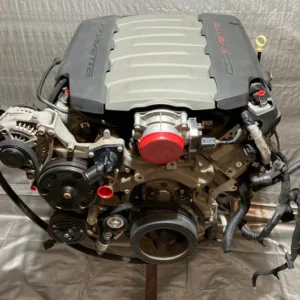
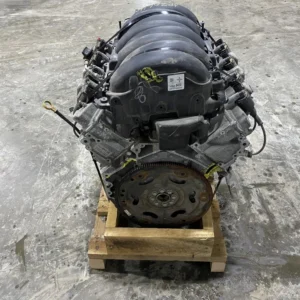
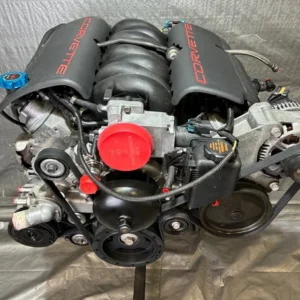
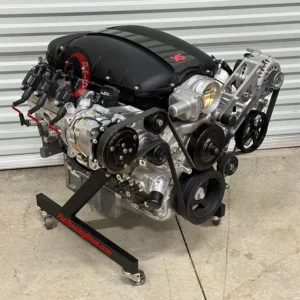
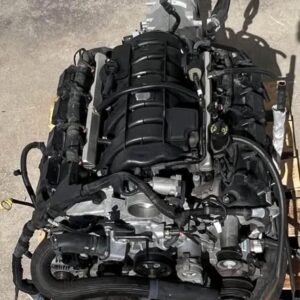
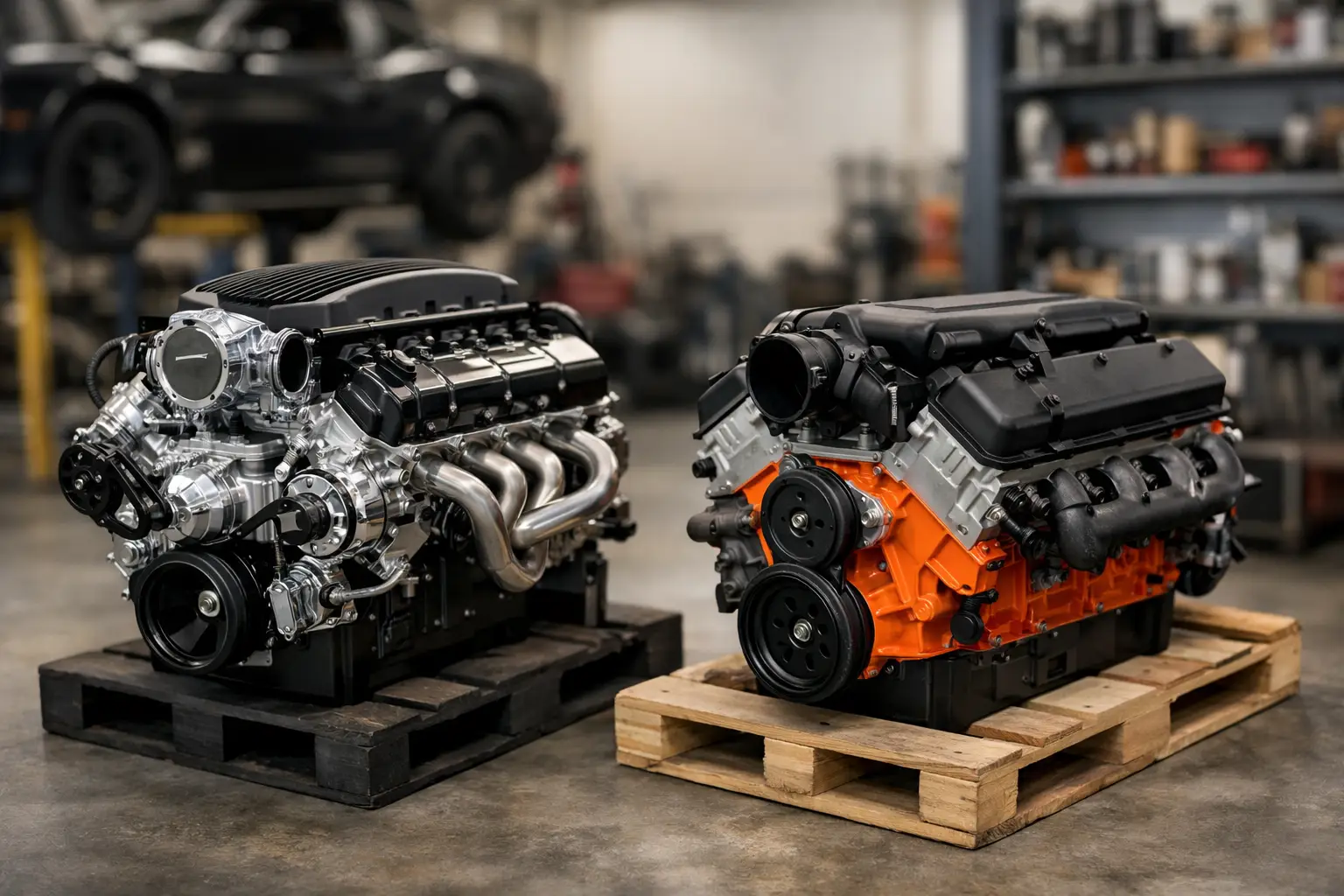
A crate engine is a complete or near-complete engine assembly sold as a ready-to-install unit. The exact level of completeness varies. Some are long blocks with the core internal components assembled. Others arrive as dressed engines with intake, fuel system components, ignition parts, accessories, and sometimes a matched transmission package.
That range matters. A bare long block may be right for a builder who already has a known-good intake, accessories, ECU, and supporting parts. It is not automatically the best deal for someone replacing a failed daily-driver engine on a deadline. Every missing component is another part number, another shipping charge, and another chance to discover a compatibility problem after the vehicle is already apart.
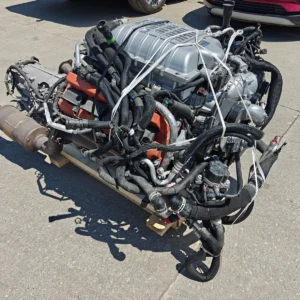
For a swap project, a complete engine and transmission package can remove a major chunk of the guesswork. You still need to account for mounts, exhaust, cooling, fuel delivery, wiring, driveshaft work, and tuning. But starting with a powertrain designed to work together is far easier than trying to make an engine, transmission, torque converter, and electronics from different years cooperate.
Start With the Job, Not the Horsepower Number
The best engine choice depends on what needs to happen after installation. A replacement engine for a work truck has different priorities than an LS-powered street car. A classic muscle car may need a period-correct appearance, while a late-model truck owner may need factory-style fitment and dependable towing torque.
Think through the intended job first. Is the vehicle a daily driver, a weekend cruiser, a tow rig, a track project, or a shop customer’s quick-turn repair? That answer guides the rest of the purchase.
A street build usually rewards broad torque, easy cold starts, manageable fuel demands, and electronics you can tune without turning every weekend into a diagnostic session. A high-output build may need stronger internals, better airflow, upgraded fuel supply, and a transmission that can handle the torque. For a truck, low-end pull and towing behavior often matter more than a peak horsepower figure that only shows up high in the RPM range.
There is no prize for buying more engine than the chassis, brakes, rear end, cooling system, and budget can support. Big power can be a blast, but it also raises the cost of nearly every system around it.
Replacement, Performance, or Swap?
A direct replacement is usually the fastest route back on the road. You want the correct engine family, compatible sensors, proper accessory layout, and fitment that minimizes changes to the existing vehicle. VIN, model year, drivetrain configuration, and emissions requirements can all matter.
A performance replacement offers more power while keeping the project close to the original platform. This can be a smart middle ground for a truck, muscle car, or street vehicle that needs fresh power without becoming a full custom build.
A swap is the biggest opportunity and the biggest commitment. LS swaps remain popular because parts support is extensive, power potential is real, and the platform fits a huge range of vehicles. Ford Coyote packages, Gen III Hemi setups, and BMW engine options can be excellent choices too, but none should be purchased on engine reputation alone. Packaging, electronics, transmission pairing, and local rules need to be part of the decision from day one.
Fitment Is Where Good Builds Stay Good
“Fits” does not only mean the engine physically clears the hood. Fitment covers the entire system around the engine. Oil pan shape can conflict with a crossmember. Accessory drives can interfere with steering or frame rails. A transmission can change shifter position, tunnel clearance, mount placement, and driveshaft length.
Before ordering, confirm the engine code or family, displacement, model-year range, and whether the engine is intended for two-wheel drive, four-wheel drive, rear-wheel drive, or front-wheel drive use. For modern engines, identify the electronic throttle setup, fuel injection system, sensor configuration, and control module requirements.
For a replacement application, compare what is on the vehicle now with what comes on the engine. Will your current intake, manifolds, alternator, A/C compressor, power steering pump, and wiring transfer over? If not, make sure the package includes what you need or price the missing pieces before you commit.
For swaps, measure before you buy. Measure firewall clearance, hood height, steering shaft path, front suspension clearance, transmission tunnel width, and radiator space. It is much cheaper to spend an hour measuring than to redesign the front accessory drive after the engine arrives.
Choose the Right Level of Completeness
The package that looks cheapest is not always the lowest-cost path. Compare engines based on what is included, not just the headline price.
A long block typically gives you the block, rotating assembly, cylinder heads, and valvetrain. It is a strong choice when you have usable external parts or want a specific combination. A dressed engine adds more of the intake, ignition, fuel, and accessory pieces needed to run. A complete dropout or engine-transmission assembly can include the transmission and related components from the donor setup, making it especially attractive for swaps and major replacements.
When evaluating any package, get clear on the practical details:
- Whether the intake, throttle body, injectors, ignition coils, and exhaust manifolds are included
- Whether accessories and brackets are present, and which accessory drive layout is used
- Whether the wiring harness, ECU, pedal assembly, fuse box, and sensors are included or required separately
- Whether a transmission, torque converter, flexplate, transfer case, or shifter components are part of the package
- Whether mileage, testing information, compression data, or remanufacturing details are available
Those details determine how quickly the engine can go from freight delivery to first startup.
New, Remanufactured, and Used: Buy for the Risk You Can Manage
New crate engines deliver fresh components and a clean starting point, which is appealing for high-value restorations, performance projects, and builds where long-term ownership is the plan. They can also carry a higher upfront cost, especially once you add the fuel system, controls, and installation parts.
Remanufactured engines can be a practical solution for a direct replacement. The quality of a reman unit depends on the rebuild process, machining standards, replacement components, and warranty terms. It is smart to understand what was replaced, what was machined, and what components you will need to transfer from your existing engine.
Used low-mileage engines can offer serious value, particularly for modern truck, GM, Ford, Dodge/Ram, and import applications. They are often the move when a customer needs a factory-style replacement without paying new-engine money. The trade-off is that donor history, mileage verification, included accessories, and condition matter more. A lower price should never replace clear information.
The right choice is not universal. A budget-conscious repair and a no-compromise build should not be shopping by the same rules.
Do Not Forget the Supporting Systems
An engine only performs as well as the systems feeding and cooling it. This is where many builds lose time and money. If you are increasing displacement or power, plan for the fuel pump, injectors, lines, cooling capacity, exhaust flow, engine mounts, transmission strength, and rear-end gearing to match.
Electronics deserve the same attention. Late-model engine swaps can run beautifully with the correct standalone controls or matched factory electronics, but a mismatched harness and ECU can create a long list of no-start and drivability issues. Ask whether the engine needs a specific controller, immobilizer solution, electronic throttle pedal, or tuning calibration.
Transmission choice is equally critical. A strong engine behind a weak automatic is not a complete build. Gear ratios, converter selection, bellhousing pattern, transmission control, and driveshaft fitment all shape how the vehicle feels. For many buyers, a matched engine-transmission package is worth it because it cuts down on compatibility research and avoids expensive last-minute changes.
Build a Real Budget Before You Buy
Set aside money for more than the engine itself. Freight, fluids, gaskets, mounts, wiring, tuning, exhaust work, cooling upgrades, driveshaft modifications, and labor can change the total fast. If a shop is handling the installation, confirm what their estimate includes and what happens if transferred parts are damaged or incompatible.
The smartest buyers compare total installed cost. A more complete package may cost more at checkout but save money by preventing scattered orders, delays, and fitment surprises. That is the value of sourcing from a catalog built around replacements, performance power, and swap-ready combinations instead of piecing together a drivetrain from random listings.
At Swap Engine Vault, the goal is simple: help you get from engine search to a powertrain that makes sense for the vehicle in your garage. Bring your vehicle details, your horsepower goal, and an honest budget to the decision. The best crate engine is the one that starts cleanly, fits right, and gives you a reason to turn the key again.